Blog
Safety Brakes – Why Do Roller Shutters Need Them?
Author
Ray
Published
Category
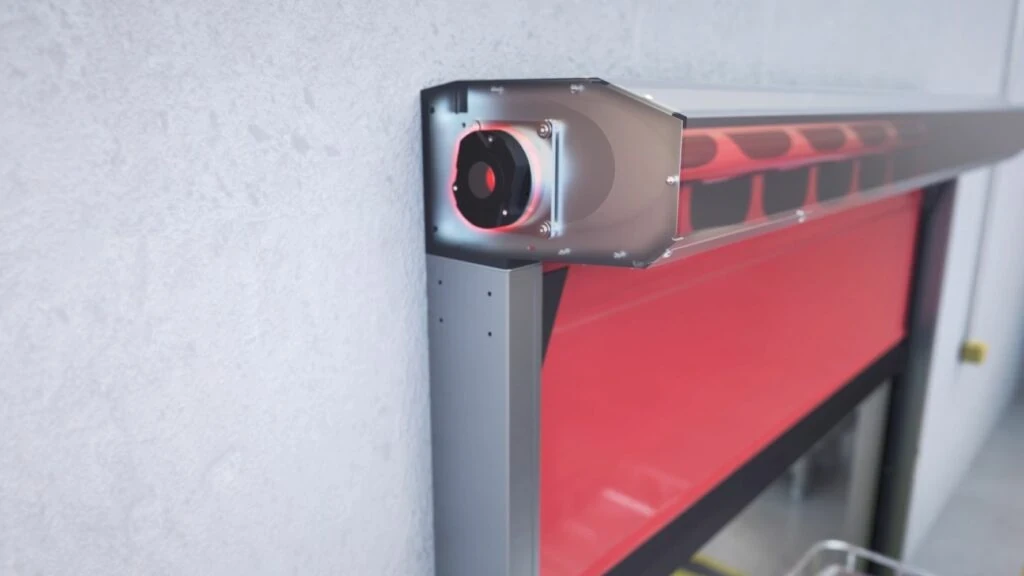
Safety Brake for Rolling Door Motor
What happens without a roller shutter safety brake? Learn how safety devices prevent dangerous falls and ensure compliance in industrial doors.

Author
Ray
An experienced automation specialist with a strong background in motor technology and industrial solutions. With years of expertise in central motors, tubular motors, and automation systems, the author is dedicated to sharing insights that connect engineering innovation with real-world applications. Passionate about advancing reliable, energy-efficient, and high-performance automation products for global markets.
What’s better than insider perks, pro tips, and surprises?
Sign up to get the most recent blog articles in your email every week.
Join now.
WHY I WRITE THIS
About my business
Our company’s main product lines include tubular motors, sliding gate motors, swing gate motors, roller shutter motors, and other door automation solutions, all manufactured by trusted partner factories we have worked with for many years.
Our Services
I help them with sales and export operations, while our company also provides sourcing and procurement services in China to help international clients solve supply-related challenges. If you need assistance with procurement, please feel free to contact us.
Introduction: The Hidden Safety Mechanism Behind Roller Shutters
Roller shutters are widely used across commercial, industrial, and residential applications for security, insulation, and automation. However, one critical safety component is often overlooked—the roller shutter safety brake system.
A roller shutter without a safety brake is not just incomplete—it represents a serious operational and safety risk. In high-load systems, particularly industrial shutters and motorized doors, uncontrolled descent or free fall can result in equipment damage, severe injury, or even fatal accidents.
This article explains why safety brakes are essential, how they function, and when they are required under international safety standards.
What Is a Roller Shutter Safety Brake?
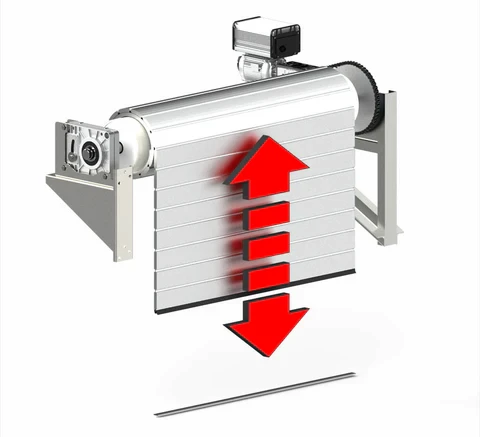
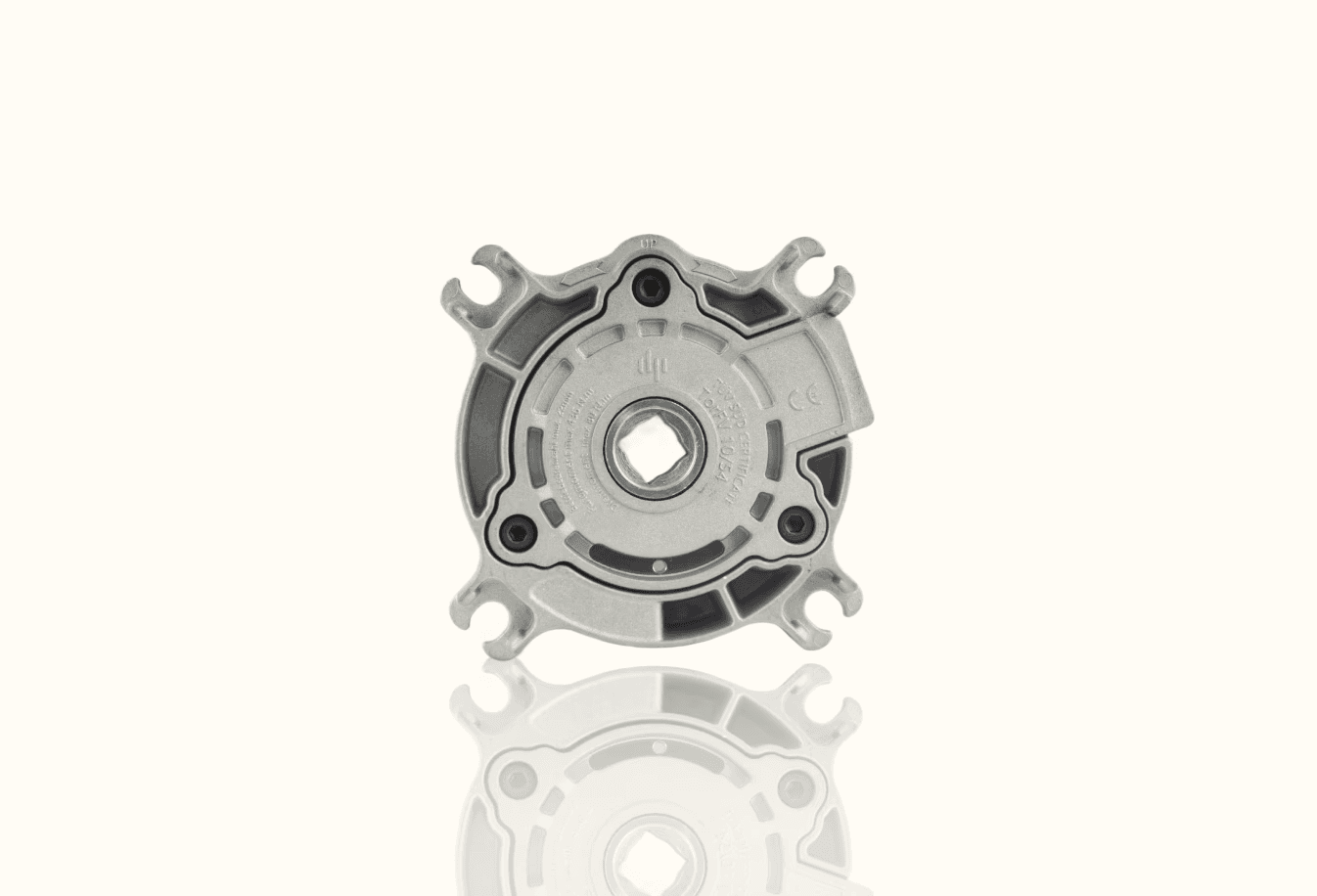
A roller shutter safety brake (also known as a fall arrest device) is a mechanical safety mechanism designed to:
Prevent sudden free fall of the shutter curtain
Instantly lock the shaft in the event of mechanical failure
Protect personnel, goods, and infrastructure
It is typically installed within the barrel or drive assembly and activates automatically when abnormal speed or shaft failure is detected.
Why Do Roller Shutters Need Safety Brakes?
1. Prevent Accidental Free Fall
The primary function of a safety brake is to stop uncontrolled descent.
Without a safety brake, failures such as:
Motor malfunction
Gearbox failure
Shaft breakage
can cause the shutter to enter free fall due to gravity.
👉 This presents significant hazards in:
Warehouses
Industrial facilities
Underground parking systems
2. Ensure Compliance with Safety Standards
In many global markets, safety brakes are mandatory for compliance.
Key standards include:
EN 13241 – European standard for industrial doors
UL 325 – U.S. safety standard for door operators
These regulations require mechanisms that prevent uncontrolled movement and accidental free fall.
👉 Without compliance, you risk:
Certification failure
Legal liability
Insurance rejection
3. Protect High-Value Assets
Roller shutters often secure:
Logistics and distribution centers
Retail storefronts
Industrial equipment
A sudden free fall event can:
Destroy stored goods
Damage loading systems
Disrupt operations
A safety brake acts as a fail-safe system, ensuring operational continuity.
4. Reduce Maintenance and Installation Risks
During installation or servicing, technicians face elevated risks from suspended loads.
A safety brake:
Stabilizes the shutter system
Prevents accidental release
Improves handling control
👉 This is particularly critical for heavy-duty or large-span shutters.
5. Enhance Product Value and Market Competitiveness
From a B2B perspective, integrating a safety brake:
Increases system reliability
Strengthens brand credibility
Supports premium positioning
For exporters targeting markets such as the U.S., Germany, and Australia, safety compliance is a key purchasing factor.
How Does a Roller Shutter Safety Brake Work?
Most roller shutter safety brakes operate based on centrifugal force or overspeed detection.
Working Principle:
The shutter operates under normal controlled speed
If rotational speed exceeds a preset threshold
The braking mechanism engages instantly
The shaft locks, preventing further movement
Types of Safety Brakes:
Centrifugal safety brakes (most widely used)
Mechanical ratchet braking systems
Electromagnetic brakes
Selection depends on:
Load capacity (Nm / kg)
Shaft diameter
Application environment
When Is a Safety Brake Required?
A safety brake should be considered essential when:
The shutter weight exceeds safety thresholds
Installation height is significant
The system is motorized
The application is industrial or commercial
👉 In engineering practice, safety brakes are often mandatory above specific torque or load limits.
Common Misconceptions About Roller Shutter Safety
❌ “Small shutters don’t need safety brakes”
Even medium-sized shutters can cause serious injury during free fall.
❌ “Motor brakes are sufficient”
Motor brakes are not designed for emergency fall arrest scenarios.
❌ “Safety brakes increase costs unnecessarily”
The cost of a safety brake is minimal compared to:
Accident-related losses
Legal exposure
Product recalls
Choosing the Right Safety Brake
When selecting a roller shutter safety brake, consider:
Load rating (Nm / kg)
Shaft compatibility
Compliance certifications (UL / CE)
Environmental durability
👉 For export-oriented systems, ensure:
Technical documentation
Test reports
Full traceability
Conclusion: Safety Brakes Are Not Optional
A roller shutter system without a safety brake presents a critical safety vulnerability.
Whether you are:
A manufacturer
A system integrator
A distributor
Safety brakes must be treated as a core engineering component, not an optional accessory.
👉 In today’s safety-driven and regulated market, integrating a roller shutter safety brake is not just good practice—it is a fundamental requirement.
FAQs
1. Do all roller shutters need safety brakes?
Not all, but most industrial and motorized roller shutters require safety brakes to prevent free fall and ensure compliance.
2. What happens without a safety brake?
The shutter may experience uncontrolled descent, leading to injury, damage, or system failure.
3. Are safety brakes legally required?
Yes, in many regions under standards such as EN 13241 and UL 325.
4. Can a motor brake replace a safety brake?
No. Motor brakes do not provide emergency fall arrest protection.
5. How much does a safety brake cost?
It represents a small fraction of total system cost but delivers critical safety protection.
Other Blogs