Blog
How to Adjust a Gate Kit for Smooth and Proper Operation
Author
Ray
Published
Category
Guide
Learn how to adjust a gate kit for smooth, secure operation. This complete guide covers gate alignment, hinge adjustment, double gate kits, common problems, troubleshooting, and maintenance tips for residential and commercial gate systems.

Author
Ray
An experienced automation specialist with a strong background in motor technology and industrial solutions. With years of expertise in central motors, tubular motors, and automation systems, the author is dedicated to sharing insights that connect engineering innovation with real-world applications. Passionate about advancing reliable, energy-efficient, and high-performance automation products for global markets.
What’s better than insider perks, pro tips, and surprises?
Sign up to get the most recent blog articles in your email every week.
Join now.
WHY I WRITE THIS
About my business
Our company’s main product lines include tubular motors, sliding gate motors, swing gate motors, roller shutter motors, and other door automation solutions, all manufactured by trusted partner factories we have worked with for many years.
Our Services
I help them with sales and export operations, while our company also provides sourcing and procurement services in China to help international clients solve supply-related challenges. If you need assistance with procurement, please feel free to contact us.
A properly adjusted gate is one of the most important parts of a reliable access system. Whether the gate is installed at a private home, a commercial property, or an industrial entrance, even a small alignment problem can create noise, drag, stress on the frame, and unnecessary wear on the opener. In many cases, the real issue is not the motor itself, but the way the gate kit has been set up, aligned, and maintained.
That is why learning how to adjust a gate kit matters. It is not just a maintenance task. It is a performance issue, a safety issue, and in many situations, a cost-saving measure. A gate that is properly adjusted moves smoothly, locks correctly, supports the opener properly, and reduces the chance of breakdowns. A gate that is out of alignment can shorten the life of hinges, rollers, latches, and automation hardware.
This guide explains what a gate kit is, why adjustment matters, how to identify common problems, and how to make the right corrections step by step. It also covers double gates, gate frames, opener compatibility, and practical troubleshooting. The goal is simple: help you achieve a gate system that operates smoothly, safely, and consistently.
What Is a Gate Kit?
A gate kit usually refers to the main hardware and structural components used to build, support, or automate a gate. Depending on the application, a gate kit may include hinges, brackets, latches, rollers, support hardware, frame components, and sometimes opener-related parts. In some cases, people use the term to describe a full adjustable gate frame kit designed to simplify installation and alignment.
The exact contents of a gate kit vary by product type, but the function is always the same: to provide the hardware necessary for the gate to operate correctly. For a manual gate, that means opening and closing with minimal resistance. For an automated gate, it also means the gate opener can move the structure without overloading the motor.
A gate kit becomes especially important when the gate is heavy, long, exposed to weather, or used frequently. In these situations, poor adjustment can quickly create problems. A small misalignment at installation can become a larger issue after repeated use.
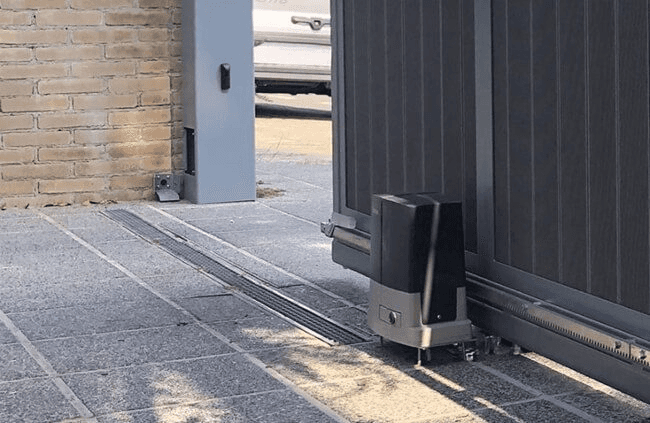
Why Proper Gate Adjustment Matters
Gate adjustment affects the entire system. If the gate is not level, properly spaced, or correctly supported, the result is usually a combination of mechanical stress and operational inconsistency. You may notice dragging, uneven movement, poor latch engagement, extra noise, or opener strain.
Proper adjustment matters for several reasons.
First, it improves movement. A gate that is square and balanced will open and close more easily. That reduces friction and helps the hardware last longer.
Second, it protects the opener. When a gate opener has to force a misaligned gate to move, the motor experiences unnecessary load. Over time, this can lead to overheating, slower operation, or early failure.
Third, it improves safety. A misadjusted gate can swing unevenly, scrape the ground, fail to latch, or behave unpredictably. That creates risk for people, vehicles, and property.
Fourth, it improves the overall appearance of the installation. A gate that hangs correctly and closes cleanly gives a much more professional impression.
For all of these reasons, learning how to adjust a gate kit is one of the most practical skills in gate installation and maintenance.
Common Signs That a Gate Kit Needs Adjustment
You do not always need special tools to know something is wrong. Many gate problems can be identified by visible signs and simple operation checks.
A gate kit may need adjustment if you notice the following:
The gate drags on the ground or rubs against the frame.
The latch does not align properly.
The gate appears to sag on one side.
The opener sounds strained or slower than usual.
The gate shakes or jerks during movement.
The gap between the gate and post is uneven.
A double gate does not meet neatly in the center.
The gate requires extra force to open manually.
The hinges look loose or uneven.
The frame appears twisted or out of square.
These are all strong indicators that the gate kit, frame, or support structure needs correction. In many cases, a timely adjustment can prevent larger damage later.
Understanding the Main Parts That Affect Adjustment
Before making changes, it helps to understand the parts that most influence gate alignment and movement.
Hinges
Hinges carry the weight of the gate and define the pivot point. If they are loose, uneven, worn, or installed incorrectly, the gate may sag or bind.
Gate Frame
The frame determines the geometry of the gate. If the frame is not square, no amount of hinge adjustment will fully solve the problem. That is why an adjustable gate frame is often valuable in installation and repair work.
Latch
The latch controls the final closing position. If it is too high, too low, or offset, the gate may not secure properly.
Posts and Mounting Points
Even a perfectly built gate will behave poorly if the support posts are not stable. Movement in the post creates movement in the gate.
Rollers or Ground Supports
On certain gate types, rollers or bottom guides help keep the gate aligned. If these are damaged or out of position, the gate may scrape or drift.
Opener Interface
For automated gates, the opener adds another layer of alignment. The opener arm, track, rack, or drive component must work in harmony with the gate structure.
Understanding these parts helps you diagnose whether the issue is a simple adjustment or a structural problem.
How to Adjust a Gate Kit Step by Step
The exact method depends on the gate type, but the general process follows the same logic: inspect, measure, loosen, align, retighten, and test.
Step 1: Inspect the Gate in Its Current Condition
Start with a careful visual inspection. Open and close the gate manually if possible. Watch for dragging, uneven movement, scraping, or unusual resistance. Check the hinges, latch, frame, and posts. Look at the gaps on both sides and compare their symmetry.
If the gate is automated, also disconnect or release the opener according to the manufacturer’s instructions before making adjustments. You want to work on the gate as a mechanical structure first, not as a powered system.
Step 2: Check the Frame for Squareness
A very common mistake is trying to adjust hinges when the real problem is the frame itself. If the frame is twisted or out of square, the gate will never close cleanly.
Use a level, measuring tape, or diagonal measurement method to check the frame. If the diagonals are not equal, the frame may be distorted. In a situation like this, the correct fix may involve reshaping or rebuilding part of the gate frame rather than simply tightening hardware.
Step 3: Examine the Hinges
Hinges are often the first place to look when a gate sags. Check whether the hinge bolts are loose, whether the hinge plates are bent, and whether there is visible wear at the pivot point. If the gate hangs too low on the latch side, the hinge side may need to be raised, tightened, or shimmed depending on the design.
For heavy gates, even a small hinge problem can create a big alignment issue. The heavier the gate, the more important it is that the hinges are solid and properly positioned.
Step 4: Adjust the Hinge Position
If the hinge system allows adjustment, make small changes only. Do not force a large movement at once. The aim is to improve the gate’s geometry gradually. In many cases, lifting the gate slightly at the hinge side can restore correct latch alignment and reduce dragging.
If the gate uses adjustable hinges, work in small increments, checking the result after each change. If the hardware is not adjustable, shimming or repositioning may be required.
Step 5: Align the Gate Latch
Once the gate sits correctly in its opening, check the latch position. A latch that is too low or too high may prevent proper closing. The gate should meet the latch smoothly without requiring force.
A good test is to close the gate slowly and observe the final contact point. If the gate has to be pushed, pulled, or lifted to engage, the latch and gate are not aligned properly.
Step 6: Check Ground Clearance
The lower edge of the gate should maintain consistent clearance from the ground or track. If the gate drags in one area, the cause may be hinge sag, uneven terrain, a damaged track, or a frame issue. Do not ignore this step, because ground contact creates friction and accelerates wear.
Step 7: Tighten and Secure All Hardware
After alignment is corrected, tighten all fasteners carefully. Do not over-tighten to the point where hardware is distorted, but make sure everything is secure. Loose bolts will undo your work over time.
This is especially important for outdoor gates exposed to wind, vibration, and repeated use. Hardware that seems fine during one inspection can loosen later if it is not properly secured.
Step 8: Test Manual Operation
Before reconnecting automation, test the gate by hand. The gate should move smoothly, stay in position without sagging, and close cleanly. If manual movement is still difficult, do not move on to the opener yet. Fix the underlying mechanical issue first.
Step 9: Reconnect and Test the Opener
Once the gate is mechanically sound, reconnect the opener and test automated operation. Watch for motor strain, noise, vibration, or hesitation. A properly adjusted gate should allow the opener to move the structure with steady, controlled motion.
If the opener still struggles after the mechanical adjustment, the issue may be motor sizing, track condition, rack alignment, or electrical configuration.
How to Adjust a Double Gate Kit
Double gates introduce an additional challenge because two moving panels must meet in the center correctly. That means you are not just adjusting one gate leaf, but coordinating two structures.
The first step is to inspect both sides separately. Check whether one leaf is lower than the other, whether the center gap is uneven, and whether both gates close at the same angle. Often, the left and right sides do not fail equally, so one side may need more correction than the other.
Next, verify the center latch or locking point. In a double gate kit, the meeting point is critical. If one side is even slightly off, the gates may not lock securely. Small differences in hinge position or post stability can create noticeable misalignment at the center.
For double gates, patience matters. Make one small adjustment, then test both leaves together. The goal is to get balanced closure, not just to make one side look correct by itself.
Adjustable Gate Frame: Why It Helps
An adjustable gate frame is especially useful when the site conditions are not perfect. In real-world projects, posts are not always perfectly plumb, ground levels are not always even, and gates can shift slightly over time. An adjustable frame gives installers more control over alignment and makes future corrections easier.
This is one reason the keyword combination around adjust a gate frame kit is important. Users searching for this term are often trying to solve real installation problems. They are not just browsing. They want a practical solution that helps them bring a gate into proper working order.
An adjustable frame can help with:
correcting sag
improving latch alignment
fine-tuning clearance
compensating for uneven support conditions
simplifying automation integration
For automated gates, this is especially valuable because the opener depends on precise geometry. A small structural correction can improve overall system performance significantly.
How Gate Adjustment Affects Gate Openers
If the gate opener is the visible part of the system, the adjustment work is the hidden foundation. A gate opener is only as good as the gate it drives. When a gate is misaligned, the opener has to work harder. That can create heat, wear, and inconsistent movement.
A well-adjusted gate reduces the load on the motor, helps the opener travel smoothly, and lowers the chance of false stopping or reversing. It also improves the reliability of safety devices like photocells and soft-stop functions.
If your opener is repeatedly struggling, do not assume the motor is the only problem. Check the gate kit first. Many opener “failures” are actually mechanical alignment problems in the gate itself.
Common Mistakes to Avoid When Adjusting a Gate Kit
Many gate adjustment issues come from avoidable mistakes. The most common ones include trying to force the gate into position, ignoring frame distortion, failing to check post stability, and adjusting one hinge without considering the rest of the structure.
Another common mistake is over-correcting. If you make a large adjustment all at once, you can create a new problem on the opposite side. The best approach is incremental. Move, test, observe, and repeat if needed.
People also sometimes focus only on the latch side and forget the hinge side. But the hinge side determines the gate’s geometry. If that side is wrong, the rest of the system will always be difficult to tune.
For automated gates, one more mistake is testing the opener too early. The gate should be mechanically correct before the motor is asked to move it.
Troubleshooting Table
Problem | Likely Cause | Suggested Action |
|---|---|---|
Gate drags on ground | Sagging hinges or uneven frame | Recheck alignment and hinge height |
Gate will not latch | Incorrect gate position | Adjust latch and hinge alignment |
Double gate does not meet in center | Uneven adjustment between both leaves | Balance both sides carefully |
Opener sounds strained | Gate is too tight or misaligned | Reduce friction and correct geometry |
Gate shakes during movement | Loose hardware | Tighten brackets, bolts, and support points |
Gate does not move smoothly by hand | Structural binding or frame distortion | Inspect frame, posts, and supports |
This kind of simple reference is useful both for readers and for search engines because it clearly connects symptom to solution.
Should You Repair or Replace?
Not every gate kit problem can be solved with adjustment. If the frame is severely warped, the posts are shifting, the hinges are badly worn, or the gate has structural damage, repair may not be enough. In those cases, replacement of some components or the entire kit may be the more reliable option.
A good rule is this: if the gate can be made smooth with small alignment corrections, adjustment is appropriate. If the gate is physically distorted or structurally unstable, replacement may save time and money in the long run.
Maintenance Tips After Adjustment
Once the gate is properly adjusted, maintenance becomes the next priority. A correctly aligned gate should still be checked periodically, especially if the site is exposed to weather, vibration, or heavy use.
Inspect the hinges regularly.
Check for loose fasteners.
Watch for ground settling near posts.
Keep the gate area clear of debris.
Test the latch and opener operation.
Look for new signs of sagging or rubbing.
Small periodic checks prevent major failures. In many cases, a few minutes of maintenance every so often can avoid a much larger repair later.
FAQ
What is the main purpose of adjusting a gate kit?
The main purpose is to make the gate operate smoothly, close properly, and reduce wear on hardware and openers.
Why does my gate sag on one side?
Sagging is usually caused by hinge wear, loose hardware, frame distortion, or support post movement.
Can I adjust a gate kit without removing the gate?
In many cases, yes. Minor alignment corrections can often be made in place, though larger structural repairs may require removal.
Why is my gate opener struggling after installation?
The most common reason is that the gate itself is not aligned properly. Mechanical resistance creates extra load on the opener.
What is the difference between a gate kit and an adjustable gate frame?
A gate kit may refer to the hardware and support parts used to build or operate a gate, while an adjustable gate frame is specifically designed to allow easier alignment and correction.
Is a double gate harder to adjust?
Yes. A double gate requires both leaves to align with each other and with the center latch, which makes precision more important.
Conclusion
Learning how to adjust a gate kit is one of the most useful skills in gate installation and maintenance. A properly adjusted gate moves more smoothly, lasts longer, protects the opener, and improves safety. Whether you are dealing with a single gate, a double gate, or an adjustable gate frame kit, the principles are the same: inspect carefully, correct alignment step by step, secure the hardware, and test the system thoroughly.
The most important point is this: do not ignore small alignment issues. A slight sag, a loose hinge, or a poor latch position can grow into a much bigger problem once the gate is used every day. By addressing adjustment early and properly, you protect the entire gate system and make it perform the way it should.
Other Blogs