Blog
What Is a Tubular Motor?
Author
Ray
Published
Category
Tubular Motor
Discover tubular motor applications, key components, and selection tips for blinds, roller shutters, and awnings. See which motor type fits your project.


Author
Ray
An experienced automation specialist with a strong background in motor technology and industrial solutions. With years of expertise in central motors, tubular motors, and automation systems, the author is dedicated to sharing insights that connect engineering innovation with real-world applications. Passionate about advancing reliable, energy-efficient, and high-performance automation products for global markets.
What’s better than insider perks, pro tips, and surprises?
Sign up to get the most recent blog articles in your email every week.
Join now.
WHY I WRITE THIS
About my business
Our company’s main product lines include tubular motors, sliding gate motors, swing gate motors, roller shutter motors, and other door automation solutions, all manufactured by trusted partner factories we have worked with for many years.
Our Services
I help them with sales and export operations, while our company also provides sourcing and procurement services in China to help international clients solve supply-related challenges. If you need assistance with procurement, please feel free to contact us.
Introduction
If a blind, shutter, or awning moves smoothly without a visible external motor, there is a good chance a tubular motor is doing the work. That design choice is more important than it looks. It affects how much space the system takes up, how quietly it runs, how clean the installation looks, and how easily it can be automated.
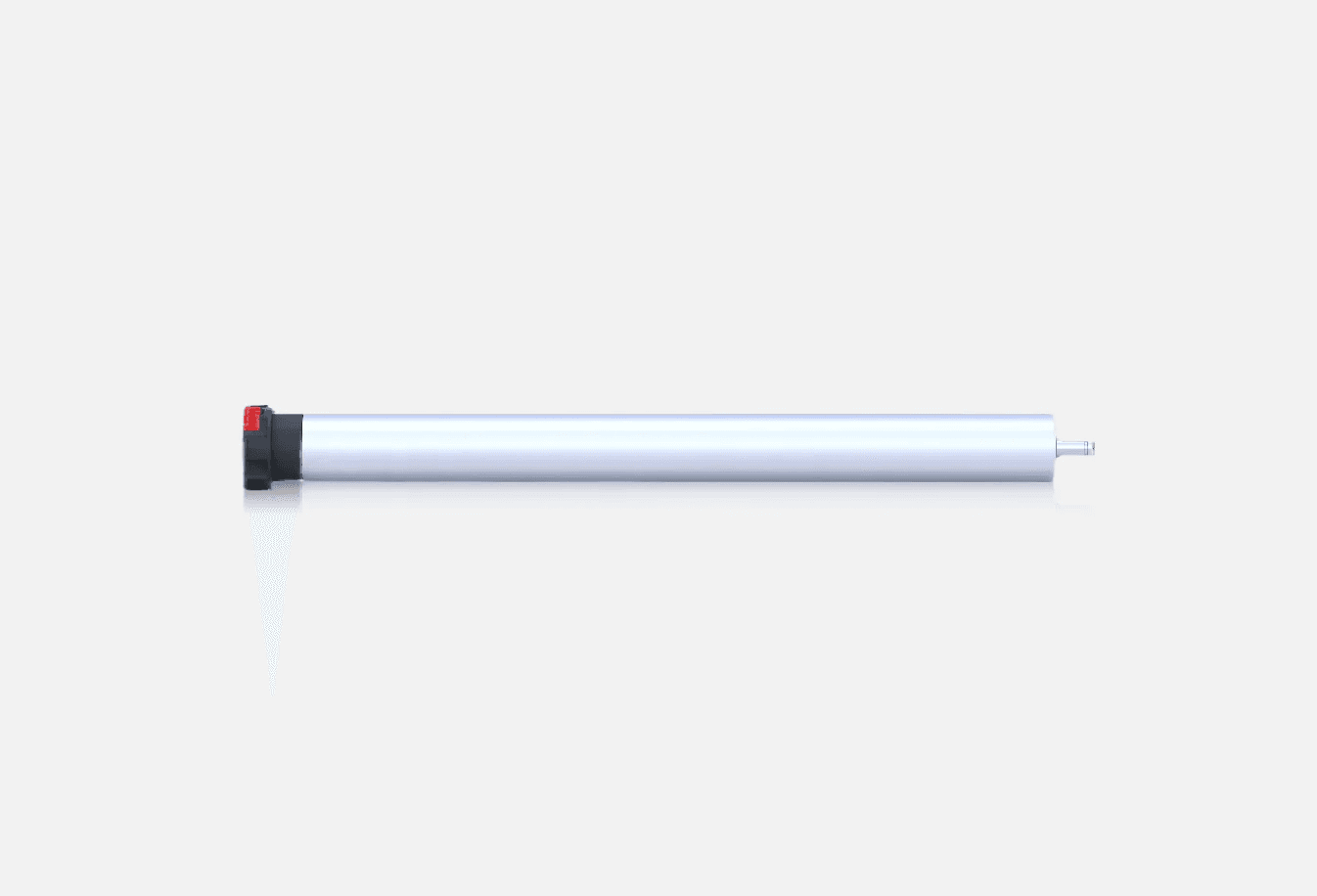
A Tubular Motor is a compact cylindrical motor built to fit inside the roller tube of a blind, shade, roller shutter, awning, screen, or similar roll-up system. It rotates the tube directly, which lets the covering open and close without an external drive assembly. In practice, that means a cleaner appearance, better integration with automation, and a drive format that scales from small blinds to heavier shutters and doors.
This guide explains what a tubular motor is, how it works, where it is used, how it differs from other motor formats, and how to choose the right one for your application.
What a Tubular Motor Is in Practical Terms
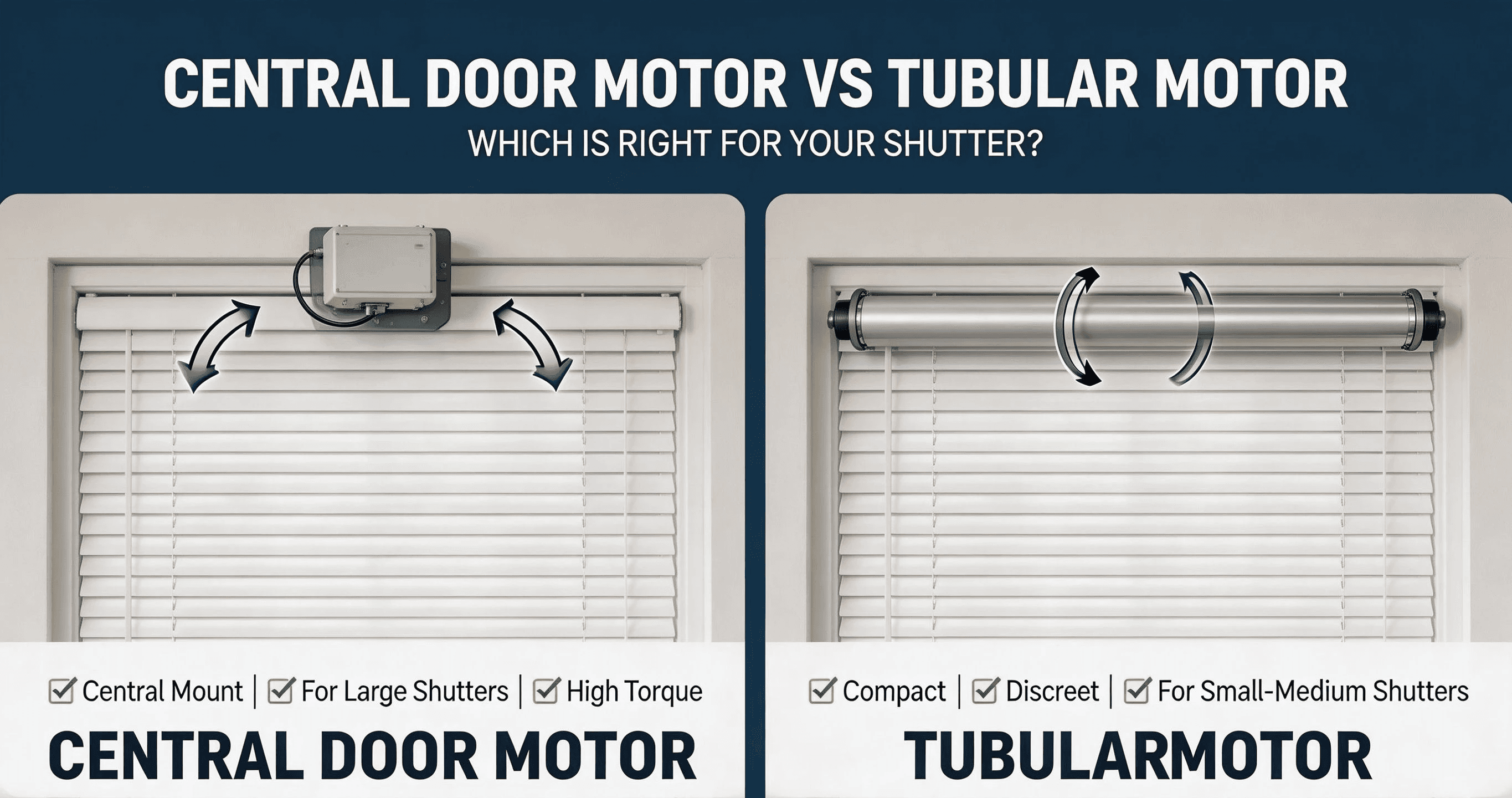
A tubular motor is not just “a motor for blinds.” It is a motor architecture built around a tube. The motor body is cylindrical so it can slide into the roller shaft, and the torque is transmitted to the tube through matching adapters. That design is why manufacturers describe it as space-saving, discreet, and suited to motorized roll-up systems.
The easiest way to understand it is this: instead of hanging a visible motor beside the product, the system hides the drive inside the tube that already exists. For blinds and shades, that improves appearance. For shutters and rolling doors, it also helps keep the assembly compact when the curtain wraps around the shaft.
Why the “tubular” format matters
The word “tubular” is not marketing language. It points to the real engineering advantage: the motor becomes part of the roller assembly instead of an add-on beside it. Somfy’s commercial product information and SIMU’s motor literature both emphasize that locating the motor inside the roller tube reduces the overall space required and supports many shading or roll-up applications.
That matters when you are designing for a slim cassette, a clean headrail, a concealed roller shutter box, or a compact awning system. It also matters for retrofits, where external space is often limited.
How a Tubular Motor Works
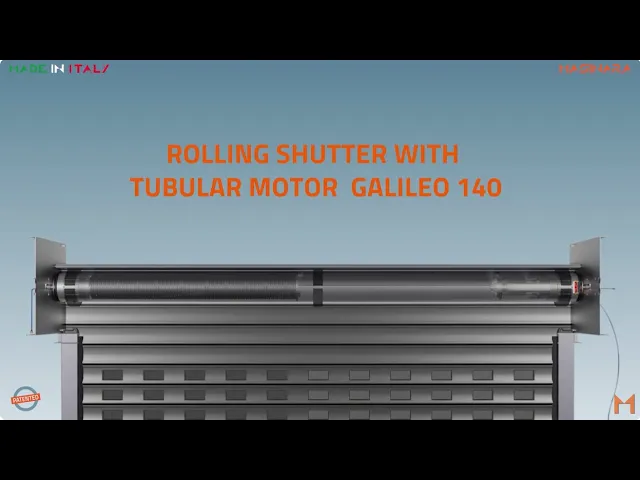
At a basic level, a tubular motor converts electrical energy into rotational motion. That rotation is slowed and strengthened through a gearbox, then transferred to the roller tube. As the tube turns, the blind, shutter, or awning rolls up or down.
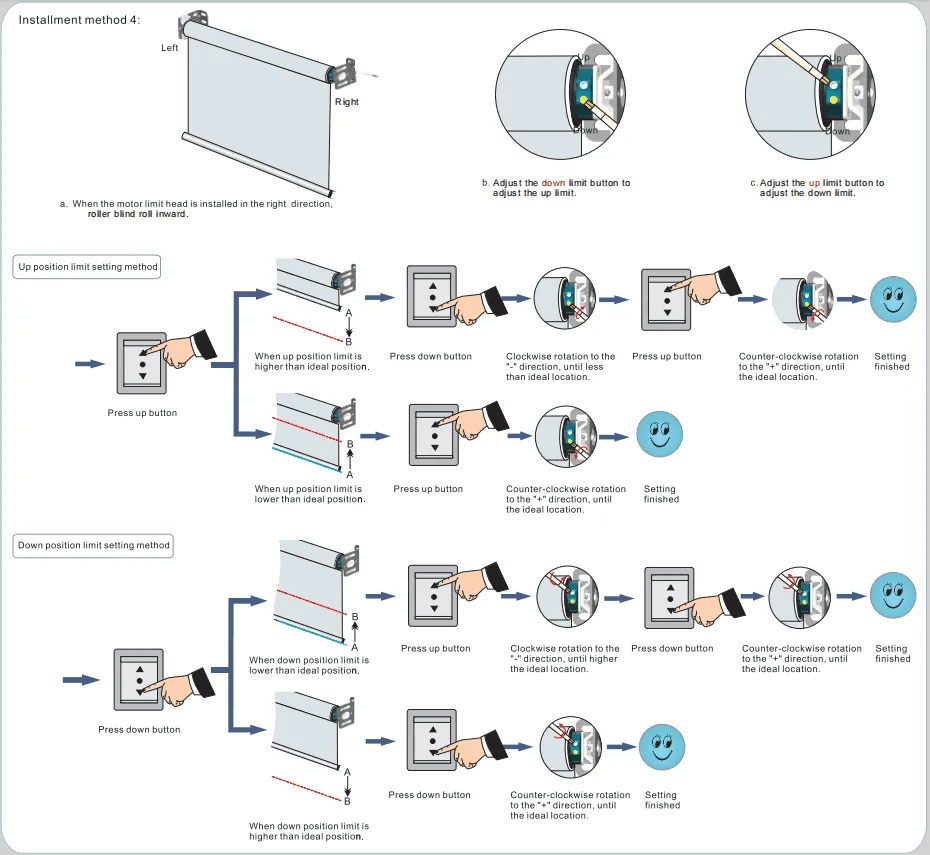
That description is simple, but it misses the feature that makes the system usable every day: travel control. A tubular motor must stop at the correct upper and lower positions, which is why most systems include mechanical or electronic limit control.
Main components inside a tubular motor system
A typical tubular motor system includes:
Motor unit: generates rotation
Gearbox: reduces speed and increases usable torque
Drive adapter and crown: connect the motor to the tube
Limit mechanism: stops movement at preset positions
Control interface: wired switch, remote receiver, or automation input
Each component affects performance. A motor with adequate torque but the wrong adapter will not fit the tube correctly. A motor with the wrong limit setup may fit physically but still be frustrating to commission.
Step-by-step operating sequence
You send a command by wall switch, remote, app, or automation signal.
The motor receives power or control input and starts rotating.
The gearbox reduces speed and increases torque for the load.
The tube rotates through the drive and crown connection.
The fabric, shutter, or awning moves up or down.
The motor stops at the set limit once the target position is reached.
This is why tubular motors are so common in motorized shading: they turn a manual rolling movement into a controlled, repeatable cycle.
What a Tubular Motor Is Used For
If you are asking what is a tubular motor used for, the answer is broader than many first-time buyers expect. Tubular motors are used anywhere a product rolls around a tube and benefits from a hidden rotary drive.
Common applications include:
roller blinds
interior shades
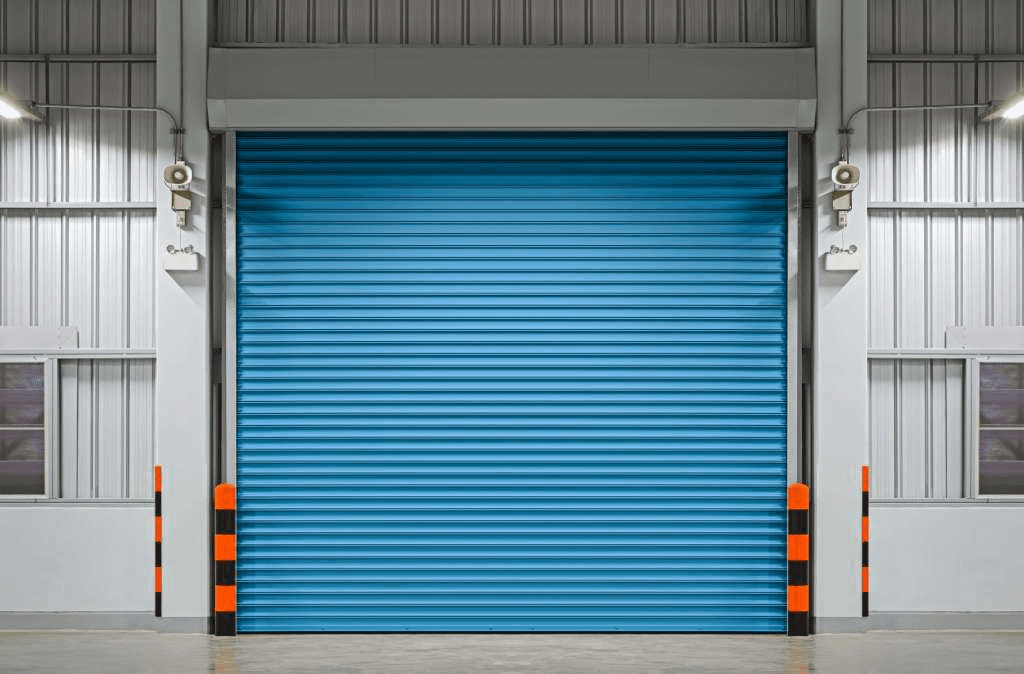
roller shutters
awnings
screens and ZIP screens
projection screens
rolling garage doors and grilles
some curtain systems, depending on design
Tubular motor for blinds
For blinds and shades, the motor is usually selected for compactness, quiet operation, and control flexibility. Somfy, Alpha, and Jiecang all present tubular motors as a standard solution for motorized blinds and shades, including interior window-covering applications.
In this category, buyers often care most about:
silent operation
small motor diameter
rechargeable or low-voltage options
smart home control compatibility
Tubular motor for roller shutters
For roller shutters, the demands shift. The motor typically needs higher torque, stronger lifting performance, and more emphasis on safety or manual override. Manufacturer and distributor pages for shutter motors frequently separate these products from lighter blind motors for exactly that reason.
Tubular motor for awnings and screens
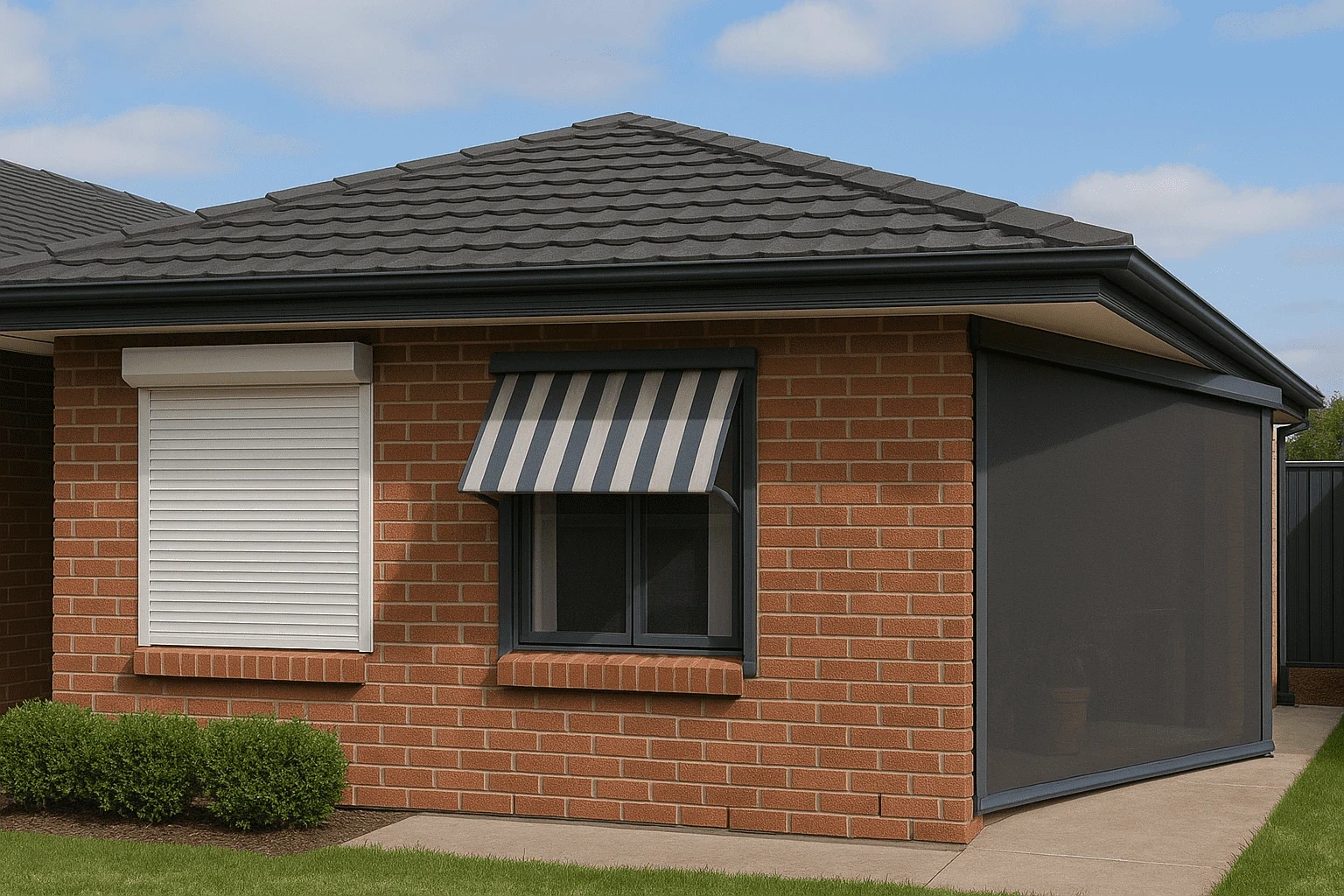
For awnings and screens, the motor has to handle outdoor conditions and repeated extension cycles. Somfy, Alpha, and Elero all position tubular motors as common drive solutions for awnings, patio blinds, and screens.
The product logic here is straightforward: awnings need a compact rotary motor, and a tubular motor is naturally suited to the roller tube already present in the system.
Types of Tubular Motors
One reason this topic confuses buyers is that “tubular motor” describes the form factor, not one exact product. There are several meaningful ways to classify them.
By power supply: AC vs DC
Some tubular motors run on AC power, while others use DC power or rechargeable battery-based systems. Distributor and manufacturer pages show common configurations such as 120–220V AC and 12–24V DC, while product catalogs also include rechargeable 5V or 12V variants for blinds.
A simple way to think about it:
AC tubular motor: common in fixed installations, larger shades, shutters, and awnings
DC or rechargeable tubular motor: common where wiring is difficult, especially in blinds and retrofit work
By control method: wired, radio, and smart control
Control options usually fall into three groups:
wired switch control
radio or remote control
connected or smart-home control
This is not a cosmetic choice. It affects installation complexity, integration with automation platforms, and future upgrade options.
By limit technology: mechanical vs electronic
Jiecang’s product page explicitly separates motor families by mechanical limit and electronic limit control, which is a useful distinction for buyers. Mechanical limits are often simpler and familiar. Electronic limits can simplify adjustment and enable more advanced behavior, depending on the system design.
By size and torque range
Motor size is usually tied to tube diameter and torque capability. Published motor ranges show different diameters and torque classes for different loads, from small blind motors to larger shutter and door motors. SIMU’s literature, for example, lists motor families for 50 mm, 60 mm, 80 mm, and 89 mm tube-related applications, with torque ranges up to 800 Nm in heavier-duty systems.
That is the clearest reason you should not treat all tubular motors as interchangeable.
How to Choose a Tubular Motor
If you want to know how to choose a tubular motor, the best starting point is not the brand. It is the load and the application.
The four selection questions that matter first
Ask these in order:
What is the product?
Blind, shade, shutter, awning, screen, or rolling door. The application immediately narrows the motor class.What tube and load are you driving?
Tube diameter and load determine size and torque requirements. Comparison tables and motor ranges are built around this logic.What power and control method are available?
AC, DC, rechargeable, wired, radio, or smart. These affect both installation and user experience.What environment will it operate in?
Indoor blind motors and outdoor awning motors do not face the same demands. Outdoor and heavy-duty applications usually need more attention to durability and protection.
A practical selection framework
Selection Factor | Why It Matters | What to Check |
|---|---|---|
Application type | Defines duty and use case | Blind, shutter, awning, screen, door |
Tube size | Determines fit | Crown and drive compatibility |
Torque | Determines lifting ability | Load weight and tube diameter |
Voltage | Affects installation | AC, DC, battery, low voltage |
Control type | Affects user experience | Switch, remote, app, automation |
Limits | Affects setup precision | Mechanical or electronic |
Environment | Affects durability | Indoor, outdoor, heavy-duty use |
This framework is an editorial synthesis of recurring manufacturer specifications and comparison tools. It is more useful than choosing only by model number because it maps directly to installation risk.
Tubular Motor vs Other Motorized Systems
A common buyer question is whether a tubular motor is the same as a curtain motor or a general-purpose smart motor. It usually is not.
A tubular motor is optimized for rotational drive inside a roller tube. A curtain motor is typically optimized for linear movement along a track. A general-purpose motorized shade solution may use a tubular motor, but the term “tubular motor” specifically points to the internal roller-drive format.
That distinction matters when you compare products. A customer looking for motorized drapery should not automatically buy a roller-blind motor, even if both are used in window automation.
Benefits and Limitations of Tubular Motors
Main benefits
Tubular motors are popular because they offer a strong engineering balance:
compact installation
hidden appearance
direct drive through the tube
broad application range
easy compatibility with automation and remote control
For shading products, that often translates into cleaner design and simpler user operation. For shutters and doors, it can also mean a tighter mechanical package.
Main limitations
Tubular motors are not ideal for every motion system. Their format assumes a tube-based rolling mechanism. They also require correct matching of tube, adapter, torque, limits, and controls. If any of those are wrong, the system may fit physically but still underperform.
That is why the most common buying error is not choosing a “bad” motor. It is choosing a motor that is technically respectable but wrong for the load or the tube.
What Buyers Often Get Wrong
Mistake 1: Choosing only by diameter
A smaller motor may fit the tube, but that does not mean it has enough torque. Size and torque must be checked together. Published comparison tools are built around exactly this issue.
Mistake 2: Ignoring control architecture
A customer may buy a wired motor and later realize the project needed remote grouping or app-based scenes. Somfy’s automation pages show how much the control layer affects user value.
Mistake 3: Treating blinds and shutters as the same category
They are not. Blind motors, shutter motors, awning motors, and industrial roll-up motors may all be tubular, but they operate at very different load and duty expectations.
Conclusion
A Tubular Motor is best understood as a compact internal roller-drive motor used to automate products that move around a tube. Its strength is not only that it makes blinds, shutters, and awnings motorized. Its strength is that it does so in a space-efficient, discreet, and scalable format that works across very different product categories.
If you are choosing one for a real project, start with the application, tube size, torque requirement, and control method. Once those four are clear, the right tubular motor becomes much easier to identify.
FAQ
What is a tubular motor?
A tubular motor is a cylindrical electric motor designed to fit inside a roller tube and rotate it directly. It is commonly used in blinds, shades, shutters, awnings, and similar roll-up systems because it saves space and keeps the drive hidden.
How does a tubular motor work?
A tubular motor uses an internal motor and gearbox to turn the roller tube, which raises or lowers the attached blind, shutter, or awning. A limit mechanism stops the movement at preset upper and lower positions.
What is a tubular motor used for?
Tubular motors are used for roller blinds, shades, roller shutters, awnings, screens, projection screens, and some rolling doors. The exact motor class depends on the size, torque, and operating environment of the product.
What is the difference between an AC and DC tubular motor?
AC tubular motors are common in fixed installations and heavier-duty applications, while DC or rechargeable motors are often used where wiring is limited or retrofit convenience matters. The best choice depends on the installation and control plan.
How do you choose a tubular motor?
Choose a tubular motor by checking the application, tube size, torque requirement, power supply, control type, and limit system. A motor that fits physically is not necessarily the right motor electrically or mechanically.
Are tubular motors good for blinds?
Yes. Tubular motors are one of the standard motor formats for roller blinds and shades because they fit inside the tube, support remote or smart control, and keep the installation visually clean.
Can a tubular motor be used for roller shutters?
Yes. Tubular motors are widely used for roller shutters, but shutter applications usually require higher torque and, in some cases, features like manual override or stronger duty performance compared with light blind motors.
Other Blogs