China Barrier Gate Safety Photocell Factory | Shutter Motor Parts
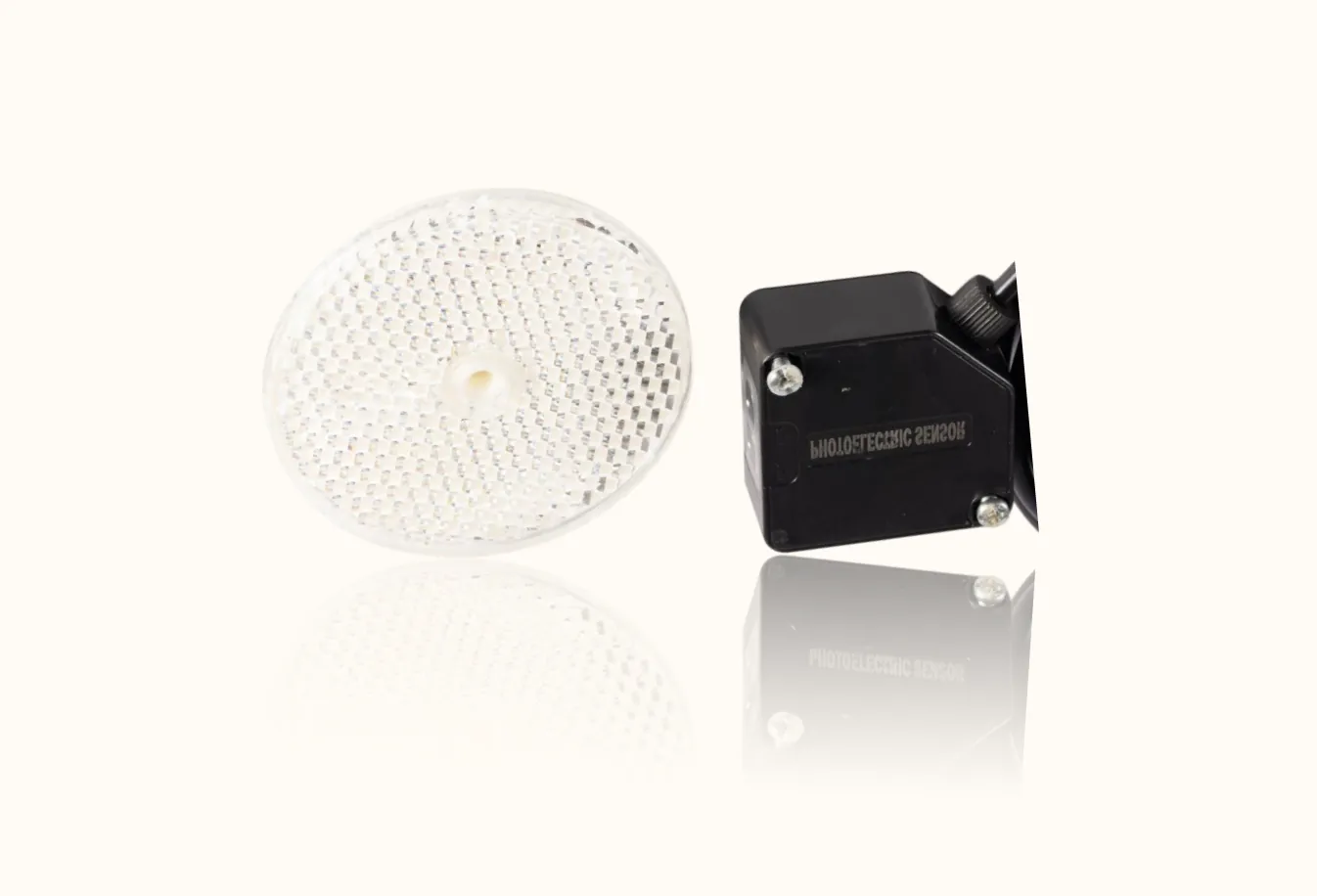
TORQEN IP 55 Automatic Sliding Door Photocell
Type
Gate & Door Automation
Warranty
1 Year
Application
Residential garage doors,Parking and security systems
Place of Origin
China
Brand Name
TORQEN
Material
Plastic
DP AUTOMATION automatic sliding door photocell Wholesaler & Distributor
Accurate Obstacle Detection:
Provides precise detection of vehicles, people, or objects in the sensor’s range, ensuring safe garage door operation.
Enhanced Safety Protection:
Prevents accidents by automatically stopping or reversing the garage door when movement is detected in its path.
Easy and Flexible Installation:
Compact design allows simple setup and quick alignment on both new and existing garage door systems.
Durable and Weather-Resistant:
Engineered with robust housing to withstand dust, moisture, and temperature variations for long-lasting outdoor use.
Product Overview
The DP AUTOMATION automatic sliding door photocell ensures safe door operation through precise infrared detection. It prevents accidents, enhances user safety, and offers durable performance with easy installation for various sliding door systems.
Key attributes
Project Solution Capability | Graphic design | Design Style | Modern |
|---|---|---|---|
Warranty | 1 Year | Protection Grade | IP55 |
Material | Plastic | Application | Workshop |
After-sale Service | Online Technical Support | Action Mode | Choose L.on/D.on through potemtiometer |
Type | door accessories | Sensing Distance | 0.1 ~ 7m |
Place of Origin | Zhejiang,China | Brand Name | DP |
Sensing Target | Opaque materials of min.60 | Power Supply | 12-240VAC/DC |
Response Time | Max.20ms | Working temperature | -20 ~ 65℃ |
Control Output | Replay Output | Light Source | Red LED |
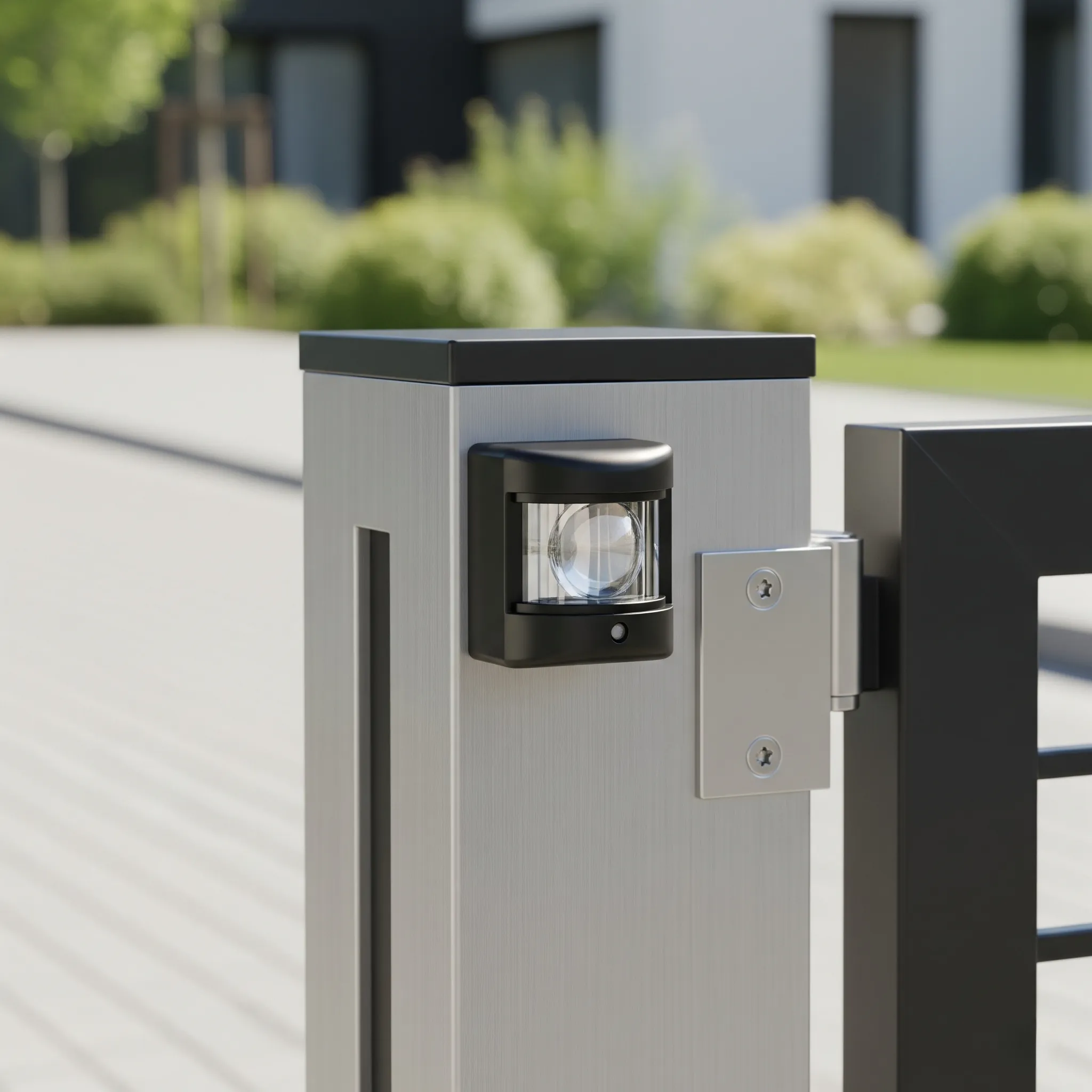
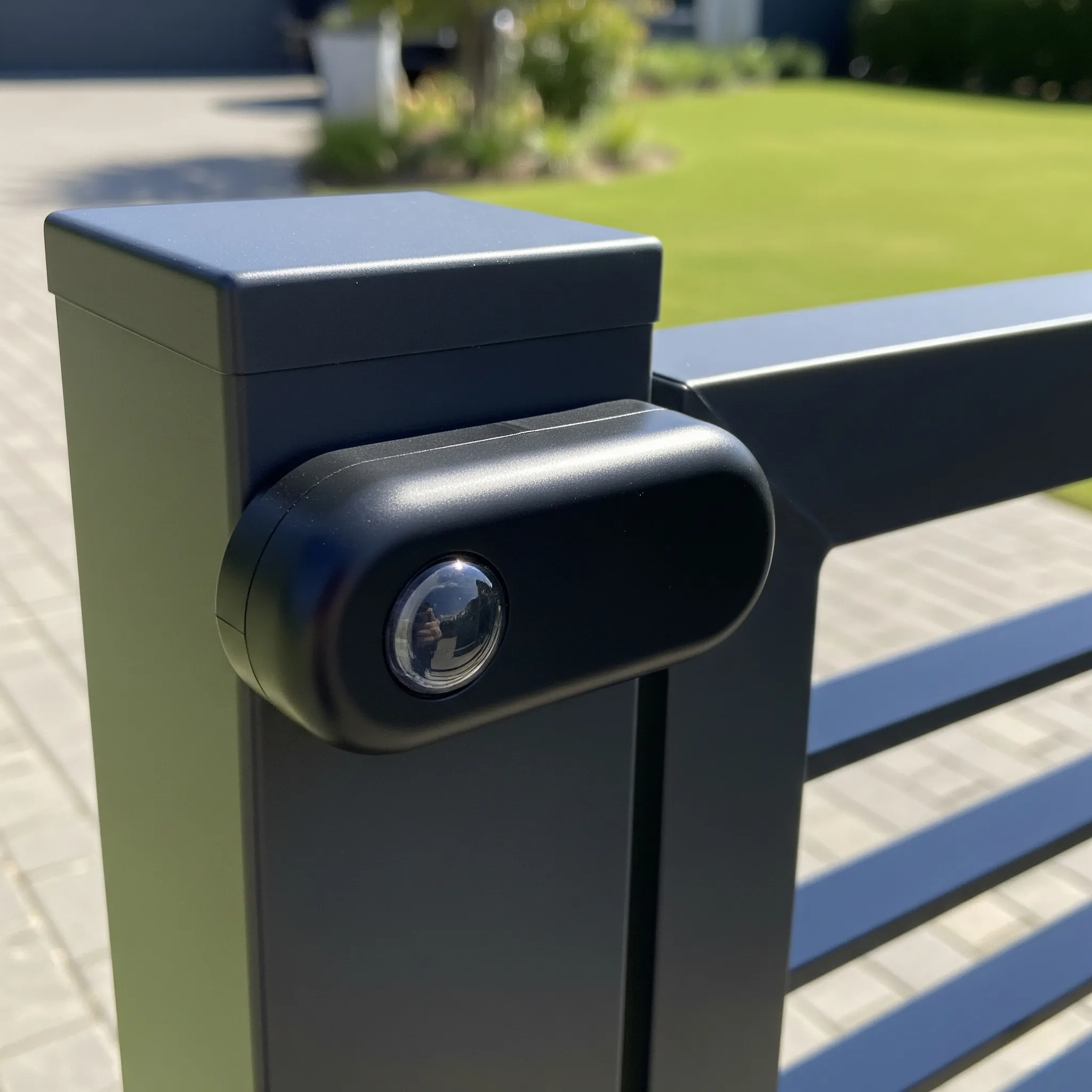
Accurate Detection
Provides precise object and obstacle detection, preventing accidents and ensuring safe operation of doors in diverse environments.
Easy Installation
Simple setup with minimal wiring required, allowing quick integration into new or existing garage and industrial door systems.
Durable Performance
Built with high-quality materials to withstand continuous operation, ensuring long service life and stable safety performance.

FAQs
1. Are replacement key switches for roller shutters universal, or do I need a specific model for my US-based storefront?
While many roller shutter key switches look similar, they are not strictly universal; in the US market, you must specifically match the voltage rating (typically 120V AC for direct motor control or 24V DC for low-voltage logic controllers) and the physical mounting style (single-gang flush mount versus surface-mount aluminum boxes). Using a generic "universal" switch without verifying these electrical specs can lead to burnt contacts or motor failure, so it is critical to check if your existing setup requires a standard cylinder or a specialized "Best" core (Interchangeable Core) widely used in American commercial facilities for master key compatibility.
2. How can I secure my outdoor roller shutter key switch against vandalism and weather in harsh environments?
For outdoor applications exposed to public access or extreme weather, you should upgrade to a heavy-duty, vandal-resistant key switch housed in a NEMA 4 or NEMA 4X rated enclosure; these units feature die-cast aluminum housings with tamper-proof screws (like Snake Eye or Torx) and a spring-loaded shutter over the keyway to prevent dirt, ice, and glue from jamming the cylinder, ensuring the switch remains operational and secure even in high-crime areas or coastal regions with corrosive salt air.
3. What is the difference between a cylinder replacement and a full switch replacement when keys are lost?
If you lose your keys, you often do not need to replace the entire key switch unit; most commercial-grade roller shutter switches sold in the US feature a standard mortise cylinder held in place by a set screw, allowing you to simply swap out the cylinder mechanism (often a standard 1-1/8" or 1-1/4" cam lock) for a fraction of the cost. However, if the internal electrical contact blocks are worn or the housing is damaged, a full replacement is recommended to ensure the switch contacts reliably engage the motor circuit without arcing.
Yes, a key switch is often wired as a "manual override" or "deadman" control that can force a gate or shutter to close even if the safety photocell detects an obstruction or is malfunctioning; this function is critical for security personnel who need to secure a site when a sensor is dirty or misaligned, but it requires strict safety protocols where the operator must have a direct line of sight to the door to ensure no vehicles or pedestrians are in the path of the closing shutter, thereby transferring liability to the manual operator.
Yes, a key switch is often wired as a "manual override" or "deadman" control that can force a gate or shutter to close even if the safety photocell detects an obstruction or is malfunctioning; this function is critical for security personnel who need to secure a site when a sensor is dirty or misaligned, but it requires strict safety protocols where the operator must have a direct line of sight to the door to ensure no vehicles or pedestrians are in the path of the closing shutter, thereby transferring liability to the manual operator.
5. How often should I lubricate my roller shutter key switch, and what product should I use?
In the US, where seasonal temperature shifts can affect mechanical locks, it is recommended to lubricate the key cylinder every six months using a dry graphite powder or a specialized PTFE-based lock lubricant, but never standard WD-40 or oil-based sprays; oil attracts dust and grime which eventually turns into a sludge that jams the delicate pins inside the cylinder, potentially leaving you locked out of your own facility, particularly in dusty industrial environments or regions with high pollen counts.
Other Products