Blog
Garage Door Opener Types Buyer’s Guide: How to Choose the Right Opener for Your Project
Author
Ray
Published
Category
Guide
Explore garage door opener types, compare drive systems, and learn how to choose the right opener for residential, commercial, or industrial projects.

Author
Ray
An experienced automation specialist with a strong background in motor technology and industrial solutions. With years of expertise in central motors, tubular motors, and automation systems, the author is dedicated to sharing insights that connect engineering innovation with real-world applications. Passionate about advancing reliable, energy-efficient, and high-performance automation products for global markets.
What’s better than insider perks, pro tips, and surprises?
Sign up to get the most recent blog articles in your email every week.
Join now.
WHY I WRITE THIS
About my business
Our company’s main product lines include tubular motors, sliding gate motors, swing gate motors, roller shutter motors, and other door automation solutions, all manufactured by trusted partner factories we have worked with for many years.
Our Services
I help them with sales and export operations, while our company also provides sourcing and procurement services in China to help international clients solve supply-related challenges. If you need assistance with procurement, please feel free to contact us.
Introduction
Choosing the right garage door opener is not just a product decision. It affects noise level, lifting capacity, maintenance requirements, installation space, safety performance, and long-term operating cost. For distributors, installers, contractors, and project buyers, the wrong choice can create avoidable service issues and customer complaints.
This garage door opener buyer’s guide is designed to help you compare garage door opener types based on real project requirements. Whether you are sourcing for a residential garage, an attached garage that needs quiet operation, a low-headroom project, or a heavy-duty commercial application, the right opener depends on more than price alone.
At CHINA-DEVELOP, we believe a good selection process starts with the door itself: its weight, size, usage frequency, and installation environment. Once those factors are clear, the best opener type becomes much easier to identify.
What Is a Garage Door Opener?
A garage door opener is a motor-driven system that opens and closes a garage door automatically. It typically includes a motor, drive mechanism, rail or mounting assembly, control system, and safety components such as sensors and remote access features.
In practical terms, the opener must do three jobs well:
Lift the door safely and consistently
Match the door’s weight and size
Operate reliably over a long service life
For residential applications, buyers often prioritize quiet operation and convenience. For commercial and industrial applications, durability, duty cycle, and lifting performance usually matter more than low cost.
Why the opener type matters
Different garage door opener types use different drive systems. Those drive systems affect:
Noise level
Speed
Maintenance frequency
Installation flexibility
Load handling
Price point
Best-fit application
That is why a true garage door opener buying guide should compare types, not just brands.
Main Garage Door Opener Types Explained
The market commonly groups garage door opener types by drive mechanism. Each has a distinct balance of performance, cost, and installation requirements.
Chain Drive Garage Door Opener
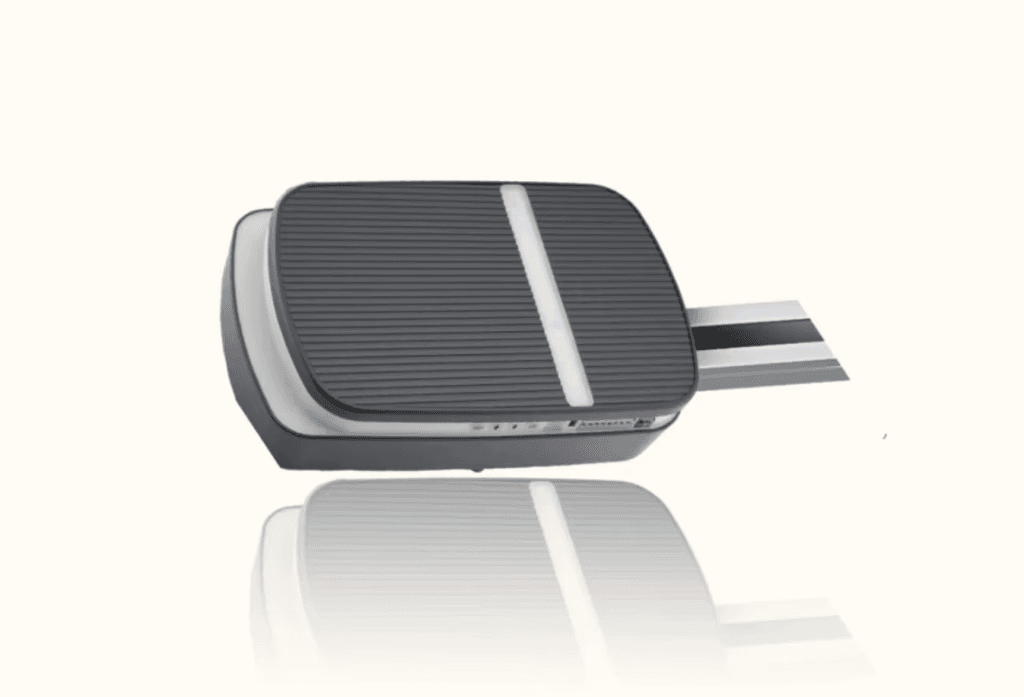
A chain drive garage door opener uses a metal chain to move the trolley and lift the door. It is one of the most widely used opener types because it is strong, familiar, and cost-effective.
Best for:
Heavy doors
Frequent use
Budget-sensitive projects
Detached garages or noise-tolerant environments
Advantages:
Strong lifting capacity
Widely available
Generally lower initial cost
Proven durability
Limitations:
More noise and vibration
Can feel less refined than belt-driven models
May require more periodic adjustment
For buyers comparing garage door opener types, chain drive remains a practical default option when performance and value matter more than quiet operation.
Belt Drive Garage Door Opener
A belt drive garage door opener uses a reinforced rubber or polyurethane belt instead of a metal chain. It is known for smooth, quiet operation and is often preferred for homes.
Best for:
Attached garages
Residential properties
Noise-sensitive projects
Customers who value comfort and smooth motion
Advantages:
Quiet operation
Smooth travel
Better for living spaces near the garage
Strong user experience
Limitations:
Usually more expensive than chain drive
Belt condition matters over time
May be over-specified for simple utility applications
If a customer asks for the quietest garage door opener, belt drive is often one of the first answers.
Screw Drive Garage Door Opener
A screw drive garage door opener uses a threaded steel rod to move the carriage. Compared with chain and belt systems, it has fewer moving parts.
Best for:
Moderate-duty residential use
Buyers who want fewer components
Projects with relatively stable climate conditions
Advantages:
Simple mechanical design
Moderate maintenance requirements
Reliable in many standard applications
Limitations:
Can be sensitive to temperature changes
Noise is usually between chain and belt
Less common in some markets than chain or belt systems
Screw drive is often chosen when buyers want a straightforward opener with a simpler mechanism.
Direct Drive Garage Door Opener
A direct drive garage door opener places the motor itself in motion along the rail or drive path, reducing the number of moving parts and often improving quietness.
Best for:
Quiet residential projects
Buyers seeking low-maintenance operation
Premium installations
Advantages:
Very quiet
Low wear on mechanical parts
Smooth movement
Compact, clean design
Limitations:
Higher price point
Not always the first choice for every distributor’s stock strategy
Supplier availability may vary by market
Direct drive models are a strong option when premium performance and minimal maintenance are the priority.
Jackshaft Garage Door Opener
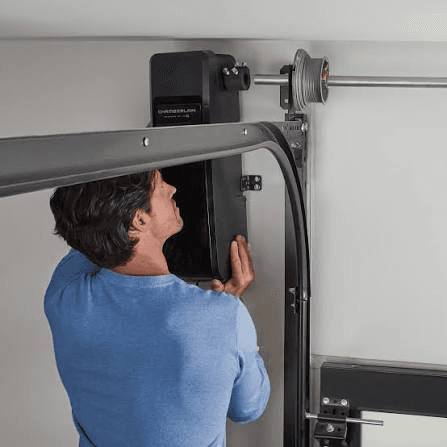
A jackshaft garage door opener, also called a wall mount garage door opener, mounts beside the door rather than on the ceiling. It connects directly to the torsion bar and is especially useful where ceiling space is limited.
Best for:
Low-headroom garages
High-lift doors
Commercial or industrial projects
Installations where ceiling space must stay open
Advantages:
Saves ceiling space
Ideal for high-lift or oversized doors
Clean installation layout
Well suited to technical or commercial applications
Limitations:
Higher installation requirements
Higher upfront cost
Not always necessary for standard residential garages
For project buyers dealing with headroom constraints, jackshaft systems can solve layout problems that ceiling-mounted openers cannot.
Garage Door Opener Comparison Table
Type | Noise Level | Maintenance | Cost | Best Use Case | Main Strength |
|---|---|---|---|---|---|
Chain Drive | Medium to High | Medium | Low | Heavy or budget projects | Strong lifting performance |
Belt Drive | Low | Low to Medium | Medium | Residential attached garages | Quiet, smooth operation |
Screw Drive | Medium | Low to Medium | Medium | Standard residential use | Simple mechanical design |
Direct Drive | Very Low | Very Low | High | Premium residential projects | Minimal moving parts |
Jackshaft / Wall Mount | Low | Low | High | Low-headroom or commercial projects | Saves ceiling space |
This table is useful when the customer has not yet decided what type of opener fits the project. It turns a broad garage door opener buyer’s guide into a practical selection tool.
How to Choose the Right Garage Door Opener for Your Project
Selecting the right opener should follow a clear decision process. The goal is not to find the “best” opener in general, but the best opener for the specific door, environment, and usage profile.
Step-by-step selection process
Measure the door size and weight
A heavier door needs stronger lifting capacity.
Larger doors often require more robust systems.
Check the installation space
Standard ceiling mount?
Low headroom?
High-lift configuration?
Open ceiling structure?
Define the usage frequency
Low-cycle residential use
Frequent family use
High-cycle commercial operation
Decide how important quiet operation is
Attached garage
Living space above the garage
Noise-sensitive customers
Confirm feature requirements
Smart control
Wi-Fi connectivity
Battery backup
Remote access
Safety sensors
Match the opener type to the project
Chain drive for cost and strength
Belt drive for quiet residential use
Screw drive for straightforward applications
Direct drive for premium low-maintenance needs
Jackshaft for limited ceiling space or commercial layouts
Door weight and lifting capacity
Door weight is one of the most important selection factors. A lightweight sectional door and a heavy insulated commercial door do not place the same load on the motor.
A good buyer evaluates:
Door material
Door size
Frequency of operation
Required service life
Expected load cycles
If the opener is underspecified, it may work at first but wear out early. If it is oversized without reason, the project may carry unnecessary cost.
Installation space and headroom
Not every garage has the same ceiling layout. This is where opener type becomes critical.
Standard ceiling space: chain, belt, screw, or direct drive may work
Low headroom: jackshaft or compact solutions are often better
High-lift doors: wall-mount systems usually deserve strong consideration
Obstructed ceiling: side-mount systems can simplify installation
Noise requirements
Noise matters more than many buyers expect. In attached garages, a loud opener can become a daily complaint.
For quiet operation:
Belt drive is often the standard residential choice
Direct drive is a premium low-noise option
Jackshaft systems can also be quiet depending on configuration
For detached garages or industrial areas:
Chain drive may be acceptable and cost-effective
Usage frequency and duty cycle
A garage door opener for frequent use should be chosen with duty cycle in mind. A system that performs well once or twice a day may not be ideal for a property with continuous traffic.
Use-case examples:
Single-family home: moderate duty
Small commercial site: frequent duty
Industrial loading area: high duty
Smart features and battery backup
Modern buyers often ask for more than opening and closing. Common value-added features include:
Smartphone control
Wi-Fi connectivity
Remote monitoring
Voice assistant integration
Battery backup for power outages
These features can increase perceived product value and improve user satisfaction, especially in residential and managed-property projects.
Key Technical Factors Buyers Should Evaluate
Beyond opener type, there are several technical factors that influence performance and product suitability.
Noise level
Noise level is not just a comfort issue. It can affect product satisfaction, especially in homes where the garage is attached to living space.
Quietness often matters most when:
A bedroom is near the garage
The garage is used early in the morning or late at night
The customer expects premium operation
Durability
Durability depends on the quality of the motor, gearbox, drive components, and overall build. Buyers should consider:
Mechanical simplicity
Material quality
Expected daily cycle count
Heat resistance
Serviceability
Maintenance requirements
Some opener types require more periodic attention than others.
A practical maintenance checklist may include:
Inspecting fasteners
Checking alignment
Monitoring chain or belt tension
Testing safety sensors
Confirming smooth travel
Reviewing remote and wall control function
Operating speed
Faster is not always better, but operating speed does affect convenience. Residential users generally prefer smooth operation. Commercial users may care more about throughput.
Safety features
Modern openers should include reliable safety systems, such as:
Photo-eye sensors
Auto-reverse function
Manual release
Overload protection
Obstruction detection
Power outage backup
Battery backup is important in regions where outages are common or where access continuity matters. For many homeowners, this has become a high-value feature. For commercial sites, it may be a continuity requirement.
Best Garage Door Opener Type by Application
Different projects need different solutions. This is where a buying guide becomes a real procurement tool.
Residential attached garage
For attached garages, quiet operation is usually the top priority.
Best options:
Belt drive
Direct drive
Why:
Lower noise
Smoother movement
Better customer experience
Detached garage
For detached garages, noise is less of a concern.
Best options:
Chain drive
Screw drive
Why:
Lower cost
Strong performance
Good value for standalone structures
Heavy-duty or oversized door
For heavy doors, the opener must provide enough lifting capacity and long-term reliability.
Best options:
Chain drive
Jackshaft
Heavy-duty commercial-grade systems
Why:
Better load handling
More appropriate for demanding applications
Stronger fit for large door assemblies
Low-headroom garage
For low-headroom sites, ceiling-mounted systems may create layout problems.
Best options:
Jackshaft
Wall mount garage door opener
Why:
Frees up overhead space
Solves structural limitations
Makes installation more practical
Commercial applications
For commercial sites, buyers should focus on duty cycle, durability, and operational reliability.
Best options:
Jackshaft
Heavy-duty chain drive systems
Industrial garage door opener systems
Why:
Better suited for repeated operation
Can support larger doors
More aligned with commercial workflows
Common Mistakes Buyers Make
Even experienced buyers can make the wrong choice if they focus on the wrong criterion.
Choosing based only on price
The cheapest unit may cost more in the long run if it fails early or requires frequent service.
Ignoring door weight
A garage door opener must match the actual load. Under-specification is one of the most common selection errors.
Overlooking installation space
Some projects fail not because the opener is bad, but because the mounting layout is wrong.
Forgetting about noise
This matters especially in attached garages and residential projects with high customer expectations.
Missing the usage profile
A unit that works well for occasional use may not be the right choice for frequent cycle applications.
Not checking feature expectations
Smart control, battery backup, and remote access may be standard expectations in some markets.
Garage Door Opener Buying Checklist
Use this checklist before placing an order or recommending a model to a customer.
Confirm the door weight
Confirm the door size
Measure available headroom
Check whether the garage is attached or detached
Define expected daily usage
Identify the required noise level
Decide if smart features are needed
Decide if battery backup is needed
Verify safety feature requirements
Confirm installation environment
Review maintenance expectations
Match the opener type to the project category
This checklist helps prevent specification errors and supports a more professional sales conversation.
FAQ
Which garage door opener type is best for my project?
The best type depends on the door weight, noise requirement, installation space, and usage frequency. Belt drive is often best for quiet residential use, while chain drive is often better for heavy-duty or budget-focused projects.
What is the quietest garage door opener?
Direct drive and belt drive openers are commonly chosen for quiet operation. In attached garages, belt drive is often one of the most practical choices.
Is a jackshaft garage door opener better for commercial buildings?
Often, yes. A jackshaft or wall mount garage door opener is especially useful when ceiling space is limited or when the building uses a high-lift or oversized door.
What horsepower garage door opener do I need?
Horsepower depends on the door size, weight, and operating frequency. Lightweight residential doors need less power than insulated, oversized, or commercial doors.
Are chain drive openers still a good choice?
Yes. Chain drive openers remain a strong option for buyers who want durability, lifting strength, and lower cost, especially in detached garages or noise-tolerant environments.
What type of garage door opener is easiest to maintain?
Direct drive systems often have fewer moving parts and lower maintenance demands. Screw drive systems can also be relatively straightforward in the right application.
Do smart garage door openers add real value?
Yes. Smart control, Wi-Fi access, and remote monitoring can improve convenience and increase perceived product value, especially in residential and managed-property markets.
Conclusion
A garage door opener buyer’s guide should do more than list product types. It should help buyers match the opener to the door, the installation space, the usage profile, and the customer’s expectations.
For most projects, the selection logic is straightforward:
Chain drive for strength and value
Belt drive for quiet residential operation
Screw drive for simple, moderate-duty applications
Direct drive for premium low-noise performance
Jackshaft / wall mount for low-headroom or commercial layouts
When you evaluate lifting capacity, noise level, maintenance requirements, installation space, and feature expectations together, the right choice becomes much clearer.
For distributors, installers, and project buyers, that means fewer returns, fewer service issues, and a stronger final product experience.
CTA Closing
If you are sourcing garage door opener solutions for residential, commercial, or industrial projects, CHINA-DEVELOP can support your procurement needs with application-based guidance and product matching. Contact us to discuss the right garage door opener type for your project requirements.
Other Blogs