Blog
How Much Is a New Roller Shutter Motor? Cost, Lifespan and Replacement Guide
Author
Ray
Published
Category
Roller Shutter Motor
See how much a new roller shutter motor costs in the U.S., how long it lasts, when to replace it, and what drives total installed price.

Author
Ray
An experienced automation specialist with a strong background in motor technology and industrial solutions. With years of expertise in central motors, tubular motors, and automation systems, the author is dedicated to sharing insights that connect engineering innovation with real-world applications. Passionate about advancing reliable, energy-efficient, and high-performance automation products for global markets.
What’s better than insider perks, pro tips, and surprises?
Sign up to get the most recent blog articles in your email every week.
Join now.
WHY I WRITE THIS
About my business
Our company’s main product lines include tubular motors, sliding gate motors, swing gate motors, roller shutter motors, and other door automation solutions, all manufactured by trusted partner factories we have worked with for many years.
Our Services
I help them with sales and export operations, while our company also provides sourcing and procurement services in China to help international clients solve supply-related challenges. If you need assistance with procurement, please feel free to contact us.
If your roller shutter has become noisy, sluggish, unreliable, or completely unresponsive, the next question is usually simple: how much will a new motor cost? In the U.S., a new roller shutter motor often starts in the low hundreds for basic replacement units and can climb into the mid-to-high hundreds or more for branded tubular motors, higher-torque models, or systems with extra controls. For example, current U.S. listings for SIMU tubular motors at Roller Star USA span roughly $198 to $995, while generic AC rolling shutter side motors on marketplace listings commonly appear around $150 to $270.
That means the smarter budgeting question is not just motor price, but total replacement cost: the motor, controls, compatibility parts, and labor.
Key Takeaways
A new roller shutter motor can range from about $150 to $995+ for the motor itself, depending on whether you are buying a generic side motor or a branded tubular motor.
Installed replacement cost is usually higher because labor, setup, wiring, brackets, limit-setting, and controls add to the total. Comparable opener installation references in the U.S. put labor at roughly $65 to $85 per hour, with installs often taking 2 to 6 hours.
Roller shutter doors themselves commonly last 10 to 20 years, depending on use and maintenance; motor lifespan is often shaped by the same variables: duty cycle, environment, maintenance, and correct sizing.
Replacing the motor makes more sense when the unit is undersized, repeatedly failing, humming without lifting, or when parts and labor begin approaching the cost of a correct new unit. This is an editorial judgment based on common failure patterns and current product pricing; exact break-even thresholds vary by site and system.
The biggest buying mistake is ordering a motor by appearance instead of by torque, tube compatibility, door weight, control type, and override requirements. Manufacturer and distributor guides emphasize compatibility and correct setup.
What a roller shutter motor is
A roller shutter motor is the drive unit that raises and lowers a rolling shutter or roll-up door. In residential and light commercial systems, this is often a tubular motor mounted inside the axle tube. In heavier-duty applications, you may see side motors or other operator styles used for larger rolling doors and shutters. Rollac and Cornell both describe motorized rolling shutter and roll-up systems across residential, commercial, and industrial use cases, with operator selection varying by application and budget.
That distinction matters because the phrase “roller shutter motor” can refer to very different hardware categories with very different price points.
New roller shutter motor cost: parts-only vs installed cost
A buyer looking at product pages can easily underestimate the true replacement total. The motor price is only the starting point.
Basic replacement motors
Generic marketplace listings for AC rolling shutter side motors commonly appear in the roughly $150 to $270 range. These are often marketed for lighter-duty or budget-conscious replacement scenarios.
That lower entry price can be appealing, but budget motors are not automatically interchangeable with an existing setup. Voltage, load rating, control type, shaft compatibility, and duty demands still need to match.
Branded tubular motors
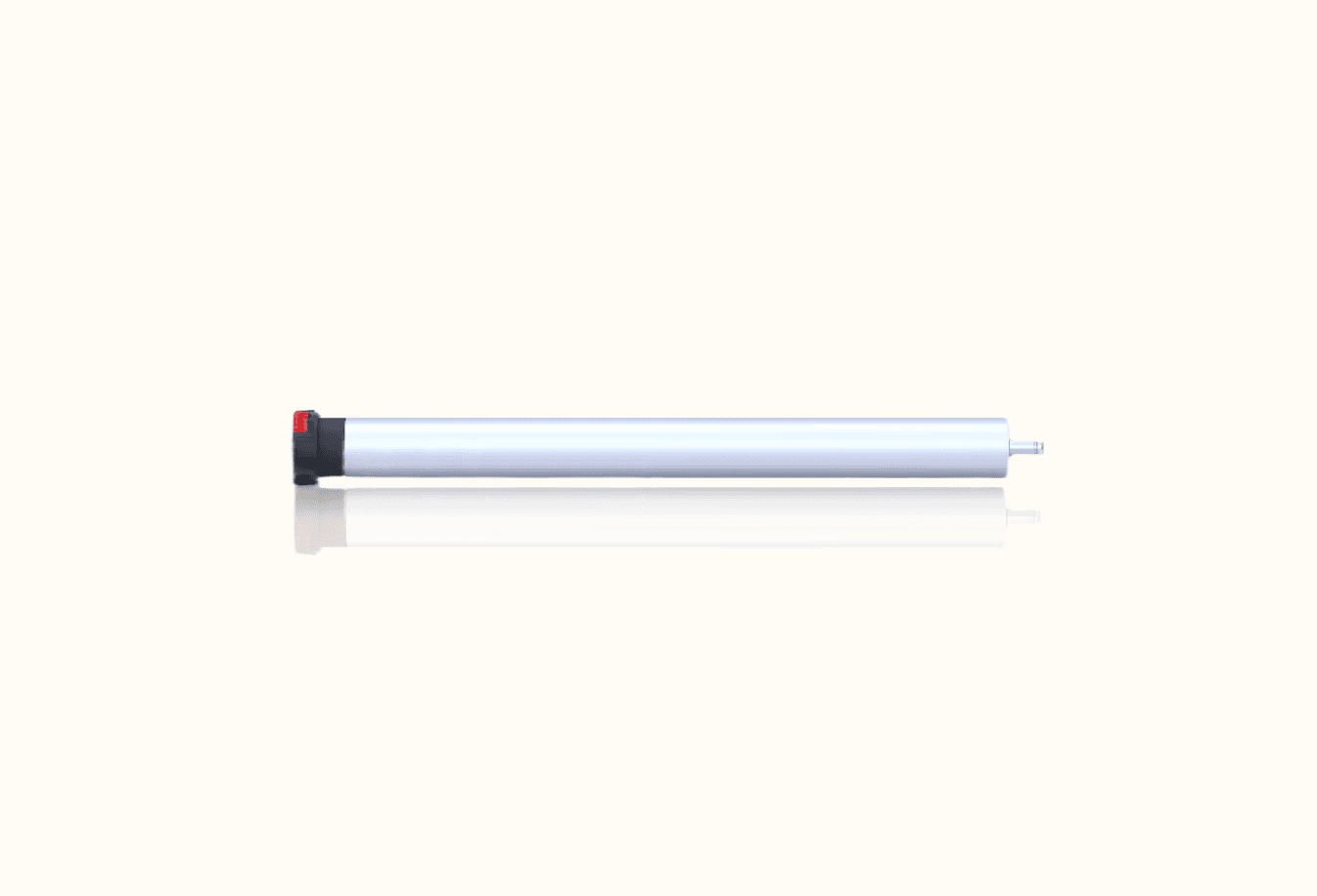
At the branded end of the market, Roller Star USA’s current SIMU tubular motor category spans approximately $198 to $995, reflecting major differences in torque, control format, and application.
A single product example from the same distributor shows a SIMU Type 5 tubular motor designed for rolling shutters, blinds, and awnings, illustrating the kind of medium-duty motor used in many residential and light commercial shutter systems.
Installed replacement cost
Installed cost varies too much by region and system type to responsibly claim one universal roller shutter replacement number. But comparable U.S. opener installation references are still useful for budgeting logic: Angi reports garage door opener installation at $218 to $539 on average, with labor at $65 to $85 per hour and jobs typically taking 2 to 6 hours. HomeGuide places opener installation at $300 to $900 on average with installation, depending on brand, type, and whether the job is a replacement or a new install.
Those are not the same product category as every rolling shutter motor, but they are directionally helpful for U.S. buyers trying to understand why a “$250 motor” can become a significantly larger installed invoice once labor, controls, and troubleshooting are added. That cost translation is an inference based on adjacent U.S. door-operator installation data.
What affects roller shutter motor cost
Price differences are rarely random. They usually reflect a few technical and logistical variables.
1. Motor type
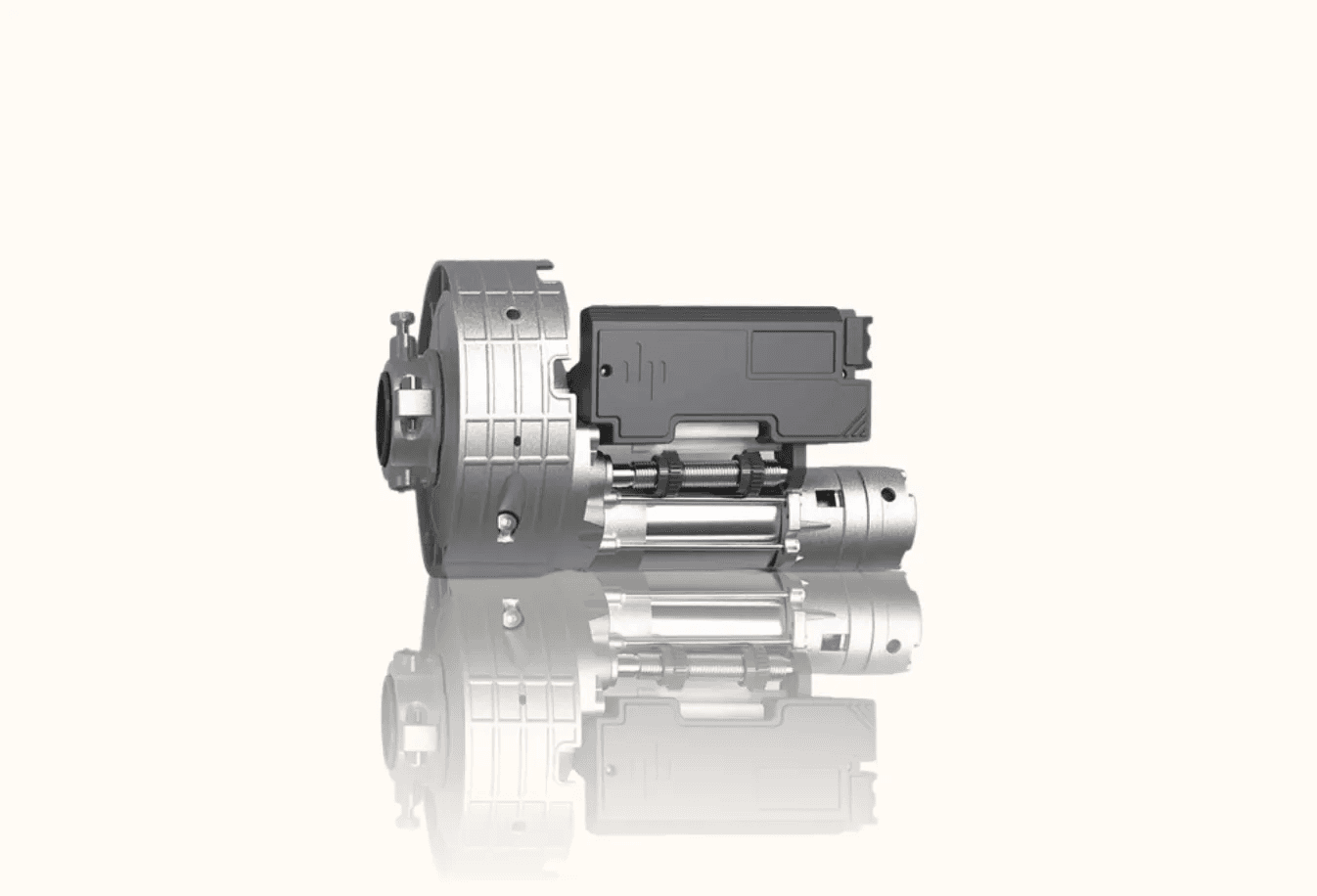
A tubular motor sits inside the roller tube and is common in many residential shutters. A side motor or heavier operator is more typical when the shutter is larger, heavier, or more industrial. Cornell explicitly notes multiple operator styles for rolling doors and shutters to suit different budgets and applications.
2. Torque, weight rating, and door size
Higher torque means a motor can move larger or heavier shutters. That almost always raises price. Product listings and installation manuals consistently tie motor selection to the size of the tube, application type, and operating demands.
3. Controls, overrides, and accessories
A replacement may require more than the motor itself. You may also need:
a compatible switch or receiver
remotes or transmitters
crowns and drives
brackets or adapters
a manual override feature for power-outage access
Rollac’s parts catalog shows motors sold within a broader ecosystem of controls, brackets, crowns, drives, and accessories. Manuals also note that manual override systems are application-specific and not intended for continuous use.
4. Brand and availability
Recognized brands such as SIMU and Somfy usually cost more than off-brand units, but the premium may buy better compatibility support, clearer specifications, and easier sourcing of matching controls or spare parts. Roller Star USA positions itself specifically as a U.S. distributor of SIMU and Somfy tubular and rolling shutter motors.
5. Labor and wiring complexity
A straightforward like-for-like swap is one thing. A replacement that also requires rewiring, control replacement, bracket changes, shaft adaptation, or travel-limit reconfiguration is another. Installation manuals for tubular motors show that even “simple” setups still require careful limit-setting and correct directional adjustment.
How long a roller shutter motor lasts
There is no single published U.S. standard lifespan for every roller shutter motor. But credible industry guidance around the door system as a whole offers a useful planning range. Rolflex says roller shutter doors on average last 10 to 20 years, depending on frequency of use and maintenance. Maintenance guidance from Secure Roll Hub also emphasizes that consistent cleaning, inspection, lubrication, and troubleshooting are what keep shutter motors reliable over time.
A careful, defensible editorial conclusion is this: a correctly sized roller shutter motor can often serve for many years, but lifespan is heavily shaped by use intensity, environment, maintenance quality, and whether the motor was properly matched to the shutter in the first place. That is an inference supported by the maintenance and system-lifespan sources above.
In practice, a residential shutter opened a few times a day will usually age very differently from a high-cycle storefront or warehouse door.
Signs your roller shutter motor needs replacement
A failing motor does not always die dramatically. Often it gets noisy, inconsistent, or weak first.
Common warning signs include:
the shutter no longer responds to the switch or remote
the motor hums but does not lift properly
travel limits drift or stop positions become inconsistent
operation becomes slow, jerky, or louder than usual
the motor overheats or trips protection repeatedly
manual override becomes the only reliable way to operate the shutter
Maintenance and troubleshooting guidance also notes that a humming motor with confirmed power can point to seized bearings or a failed start capacitor.
Repair or replace? A practical decision framework
This is where buyers often waste money. Not every motor problem requires full replacement, but not every repair is worth chasing either.
Repair first when:
the issue is clearly a remote, switch, fuse, or control accessory
the motor is relatively new and otherwise correctly sized
a capacitor or minor control component has failed
the shutter itself is mechanically sound and aligned
Replace the motor when:
the unit is repeatedly failing
the motor is clearly undersized for the load
the door is critical to security or daily business continuity
compatible parts are hard to source
labor to diagnose and patch old issues starts approaching the cost of a new, correctly matched unit
That last point is not a universal formula, but it is often the right commercial judgment. When downtime matters, repeat service calls can become more expensive than a clean replacement.
How to choose the right replacement motor
Before you buy, confirm these details:
1. Identify the motor type
Is it a tubular motor inside the barrel, or a side-mounted operator?
2. Check tube and bracket compatibility
Product pages and installation references make clear that tubular motors are not one-size-fits-all. Tube diameter and mounting setup must match.
3. Match torque to the shutter
Heavier or wider shutters need more torque. Undersizing causes stress, heat, and early failure.
4. Confirm voltage and wiring
Distributor pages show rolling shutter motors sold in multiple voltage formats, including 120–220V AC and 12–24V DC.
5. Decide on controls
Do you need wall switch control, radio control, smart integration, or manual override?
6. Verify limits and setup method
Installation instructions show that proper upper and lower limit configuration is essential to safe, repeatable operation.
Can you replace a roller shutter motor yourself?
Sometimes, but this is not a casual DIY job.
Manufacturer installation guides emphasize that installation, commissioning, servicing, and repairs on electrically operated rolling shutters should be carried out by trained professionals. Rollac’s installation guide explicitly states that installation, commissioning, servicing, and repairs should be performed by a trained and authorized professional installer, and that power must be disconnected during work.
For a technically experienced installer working on a familiar residential setup, a motor swap may be manageable. For most homeowners or business owners, though, the bigger risk is not removing the old motor. It is ordering the wrong replacement, mis-setting travel limits, or creating a safety issue in a system that also functions as a security barrier.
How to extend roller shutter motor lifespan
Maintenance is not glamorous, but it is cheaper than premature replacement.
A practical maintenance checklist:
keep guides, slats, and housing clean
inspect for friction, misalignment, or impact damage
address unusual noise early
avoid forcing operation when the curtain is obstructed
use manual override only as intended
schedule periodic servicing for high-use commercial shutters
Maintenance guidance stresses regular cleaning, lubrication where appropriate, inspections, and timely troubleshooting to preserve motor reliability.
Final thoughts
So, how much is a new roller shutter motor? For the motor alone, current U.S.-visible pricing shows a realistic entry point from roughly $150 on the low end to $995 or more for higher-spec branded tubular units. But buyers should be careful not to mistake parts price for replacement cost. By the time labor, controls, mounting hardware, and setup are included, the total can rise meaningfully.
The better buying mindset is this: choose the right motor, not just the cheapest motor. A correctly matched replacement can reduce downtime, protect the shutter system, and save money over the life of the installation.
For U.S. buyers sourcing a replacement, the best next step is to request a quote using the shutter’s dimensions, motor type, voltage, tube size, and current control setup. That turns a vague price question into an accurate purchasing decision.
FAQ
1) How much does a new roller shutter motor cost?
A new roller shutter motor typically costs about $150 to $995+ for the motor alone, depending on motor type, brand, torque, and controls. Generic side motors usually sit at the lower end, while branded tubular motors can cost much more.
2) How long does a roller shutter motor last?
There is no one-size-fits-all lifespan, but roller shutter systems commonly last 10 to 20 years depending on usage and maintenance, and motor longevity is heavily influenced by the same factors.
3) Is it cheaper to repair or replace a roller shutter motor?
Repair is usually cheaper when the issue is minor, such as a control, switch, or capacitor problem. Replacement often makes more sense when the motor is repeatedly failing, undersized, or nearing the point where labor and parts approach the cost of a new unit.
4) Can I replace a roller shutter motor myself?
Some experienced installers can, but manufacturer guidance for motorized rolling shutters stresses professional installation, servicing, and repair because the work involves electrical systems, safety settings, and precise limit adjustment.
5) What affects roller shutter motor cost the most?
The biggest cost drivers are motor type, torque rating, door size, control system, brand, and labor complexity. Accessories such as remotes, receivers, brackets, crowns, and manual overrides can also raise the total.
6) How do I know which replacement motor to buy?
Match the replacement to your tube size, shutter weight, motor type, voltage, controls, and override requirements. Buying by appearance alone is risky; product specs and compatibility details matter.
Other Blogs