Blog
The Complete Guide to Roller Shutter Motors: Types, Features, and Applications
Author
Ray
Published
Category
Guide
Understand roller shutter motor types, features, and applications for 2026 compliance. Ensure safety, UL/NEC alignment, and reliable installation with expert guidance.

Author
Ray
An experienced automation specialist with a strong background in motor technology and industrial solutions. With years of expertise in central motors, tubular motors, and automation systems, the author is dedicated to sharing insights that connect engineering innovation with real-world applications. Passionate about advancing reliable, energy-efficient, and high-performance automation products for global markets.
What’s better than insider perks, pro tips, and surprises?
Sign up to get the most recent blog articles in your email every week.
Join now.
WHY I WRITE THIS
About my business
Our company’s main product lines include tubular motors, sliding gate motors, swing gate motors, roller shutter motors, and other door automation solutions, all manufactured by trusted partner factories we have worked with for many years.
Our Services
I help them with sales and export operations, while our company also provides sourcing and procurement services in China to help international clients solve supply-related challenges. If you need assistance with procurement, please feel free to contact us.
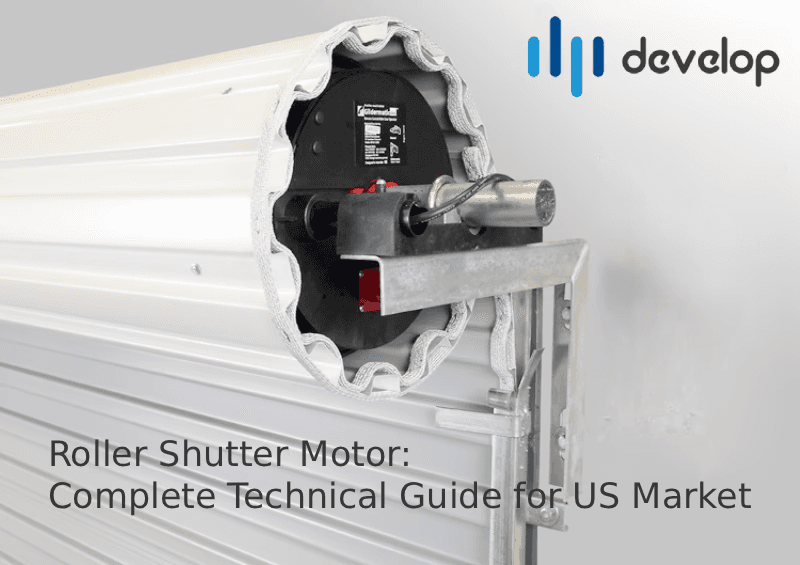
Roller Shutter Motor: Complete Technical Guide for US Market
Selecting the right roller shutter motor requires understanding key technical specifications and performance criteria. With over 15 years of experience in automated access solutions, our team has compiled this comprehensive guide to help you make informed decisions for your roller shutter applications.
1. Understanding Roller Shutter Motor Fundamentals
1.1 Motor Types and Applications
Roller shutter motors come in three primary configurations: tubular, exterior, and high-efficiency models. Tubular motors are ideal for residential garage doors, while exterior motors handle commercial rolling doors up to 6 meters wide. High-efficiency variants incorporate variable frequency drives for precise speed control.
Motor selection depends on door weight, frequency of operation, and environmental conditions. A properly sized motor ensures smooth operation and extends equipment lifespan by 40-60% compared to undersized units.
1.2 Power and Torque Specifications
Power ratings typically range from 300W to 1500W, with torque outputs between 50-500 Nm. Calculate required torque using the formula: T = (W ? D) / 2, where W is door weight and D is drum diameter. Most residential applications require 150-250 Nm torque.
Manual override capability for power outages
Integrated thermal protection against overheating
Soft start/stop functionality for reduced wear
Adjustable speed settings (8-16 RPM typical)
2. Installation and Safety Considerations
2.1 Mounting Requirements
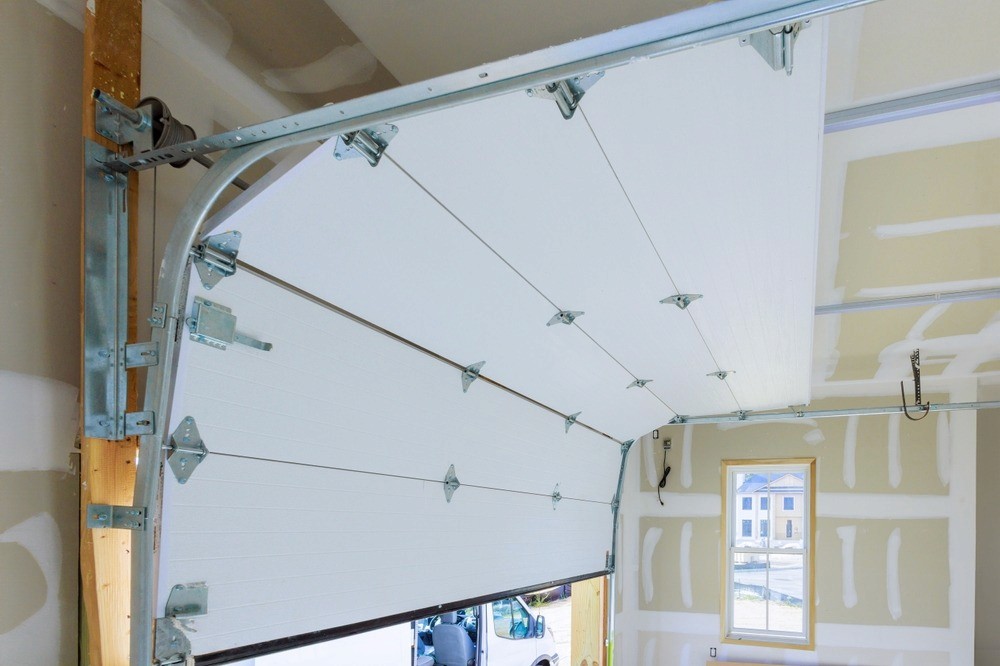
Proper mounting ensures optimal performance and safety. Tubular motors require secure attachment to the shutter barrel with mounting brackets rated for at least 2x the door weight. Ensure mounting surface can support dynamic loads during operation, typically 1.5 times static weight.
Weatherproofing is critical for exterior installations. Use IP65-rated components minimum, with IP67 recommended for coastal or extreme weather environments. Proper drainage channels prevent water accumulation in motor housings.
2.2 Control Systems and Integration
Modern roller shutter motors support multiple control options including hardwired switches, radio remote controls, and smart home integration. Most systems operate on 24V DC control circuits for enhanced safety. Wireless controls typically use rolling code technology with 128-bit encryption for security.
Pro Tip: Our technical team recommends installing manual release mechanisms at both ends of the shutter for emergency access. This redundancy ensures operation during power failures or control system malfunctions.
3. Maintenance and Troubleshooting
3.1 Routine Maintenance Schedule
Regular maintenance prevents premature failure and ensures safe operation. Lubricate moving parts every 6 months using silicone-based lubricants. Check electrical connections quarterly, tightening any loose terminals to prevent arcing and voltage drop.
Inspect motor brushes annually in brushed models, replacing when wear exceeds 50% of original length. For gear-driven systems, check oil levels in gearboxes and top up with manufacturer-recommended lubricants.
3.2 Common Issues and Solutions
Overheating typically results from insufficient ventilation or excessive duty cycle. Ensure minimum 100mm clearance around motor housing for proper airflow. If motors trip thermal protection repeatedly, verify door balance and reduce operating frequency.
Unusual noises: Check for debris in tracks or worn bearings
Slow operation: Verify voltage supply and check for binding
Intermittent operation: Inspect control wiring and limit switches
Complete failure: Test power supply and motor windings
4. Performance Optimization
4.1 Energy Efficiency Considerations
Modern roller shutter motors incorporate energy-saving features that can reduce operating costs by 30-40%. Look for motors with high-efficiency ratings (IE3 or better) and integrated power factor correction. Standby power consumption should be below 0.5W for optimal efficiency.
Variable speed drives not only improve comfort but also reduce energy consumption during acceleration and deceleration phases. Some advanced models include regenerative braking that returns energy to the power grid during deceleration.
4.2 Smart Integration Capabilities
Contemporary roller shutter motors support integration with building management systems via protocols like Modbus, BACnet, or proprietary APIs. This enables scheduling, remote monitoring, and energy optimization based on occupancy patterns and weather conditions.
Pro Tip: For optimal performance in commercial applications, our engineers recommend implementing predictive maintenance schedules based on actual operating hours rather than calendar intervals. This approach can extend motor life by up to 25% while reducing unnecessary service calls.
FAQS
Q1: What size motor do I need for my garage door?
A1: Calculate based on door weight and drum diameter. Most residential single-car doors require 150-250 Nm torque motors, while double-car doors need 250-400 Nm. Always add 20% capacity for safety margin.
Q2: How long do roller shutter motors typically last?
A2: Quality motors last 10-15 years with proper maintenance. Frequency of operation significantly impacts lifespan - motors used 4+ times daily may require replacement in 7-10 years, while occasional use can extend life to 20+ years.
Q3: Can I install a roller shutter motor myself?
A3: While DIY installation is possible for experienced individuals, professional installation is recommended. Incorrect installation can void warranties and create safety hazards. Professional installation ensures proper torque settings and safety feature activation.
Q4: What maintenance is required for roller shutter motors?
A4: Perform quarterly visual inspections, lubricate moving parts every 6 months, and conduct annual electrical checks. Replace worn components immediately. Professional servicing every 2-3 years helps identify potential issues before failure occurs.
Q5: Are roller shutter motors weatherproof?
A5: Most quality motors have IP65 or higher ratings for weather protection. However, extreme conditions may require additional protection. Coastal installations should use marine-grade components with enhanced corrosion resistance and IP67 ratings.
Other Blogs