Blog
What Is an Automatic Door Photocell Sensor and How Does It Work?
Author
Ray
Published
Category
Door Photocell Sensor
What an automatic door photocell sensor is, how it works, where it is used, and what to check before choosing one.

Author
Ray
An experienced automation specialist with a strong background in motor technology and industrial solutions. With years of expertise in central motors, tubular motors, and automation systems, the author is dedicated to sharing insights that connect engineering innovation with real-world applications. Passionate about advancing reliable, energy-efficient, and high-performance automation products for global markets.
What’s better than insider perks, pro tips, and surprises?
Sign up to get the most recent blog articles in your email every week.
Join now.
WHY I WRITE THIS
About my business
Our company’s main product lines include tubular motors, sliding gate motors, swing gate motors, roller shutter motors, and other door automation solutions, all manufactured by trusted partner factories we have worked with for many years.
Our Services
I help them with sales and export operations, while our company also provides sourcing and procurement services in China to help international clients solve supply-related challenges. If you need assistance with procurement, please feel free to contact us.
An automatic door photocell sensor is a photoelectric safety device used to detect people, objects, or movement in the path of an automatic door. It typically works by sending an infrared or light beam from one side to another. When that beam is interrupted, the door system receives a signal and reacts based on its programming, usually by stopping, reopening, or preventing the door from closing. In simple terms, the photocell sensor helps automatic doors operate more safely and more intelligently.
Key Takeaways
An automatic door photocell sensor is used to detect people or obstacles in the path of an automatic door.
It usually works with a light or infrared beam sent between an emitter and a receiver.
When the beam is blocked, the door controller receives a signal and changes door behavior.
Photocell sensors are especially important for safety, smooth operation, and reduced accident risk.
They are commonly used in sliding doors, industrial doors, commercial entrances, and access systems.
Choosing the right sensor depends on range, environment, compatibility, response speed, and durability.
What Is an Automatic Door Photocell Sensor?
An automatic door photocell sensor is a type of photoelectric sensor used in automatic door systems to detect a person, object, or obstruction. Its job is not simply to “open a door.” More accurately, it helps the door system decide whether it is safe to move, whether it should remain open, or whether it should stop and reverse.
This distinction matters.
In automatic door systems, some sensors are used to activate the door when someone approaches. Others are used primarily for safety. A photocell sensor is often associated with the safety side of the system because it creates a detection line that can sense whether something is present in the doorway or travel path.
A clear working definition is this:
An automatic door photocell sensor is a photoelectric safety device that detects interruptions in a light beam and sends a signal to the door system to prevent unsafe movement.
That is why it is widely used in both commercial and industrial automatic door applications.
Why Automatic Door Photocell Sensors Matter
Automatic doors are expected to do two things at once: move efficiently and protect users. Without reliable sensing, those goals can conflict. A fast-moving door that cannot detect a person or object becomes a safety issue. A door that detects poorly can also become inconvenient, opening or closing at the wrong time and creating interruptions in traffic flow.
A photocell sensor helps solve that problem by adding a direct detection mechanism into the door system. Instead of relying only on timing or motion logic, the door can respond to real presence in a defined zone.
This matters in several ways.
First, it improves user safety. If a person, trolley, pallet, or object remains in the doorway, the system can stop or prevent closure.
Second, it supports smoother access. Automatic doors in busy entrances need reliable detection to avoid abrupt motion.
Third, it can reduce wear on the system. Better sensing means fewer unnecessary impacts, reversals, or control errors.
Fourth, it helps installations meet higher expectations for modern entrances and industrial access points, where safety and consistency are part of the product value.
How an Automatic Door Photocell Sensor Works
Emitter and receiver principle
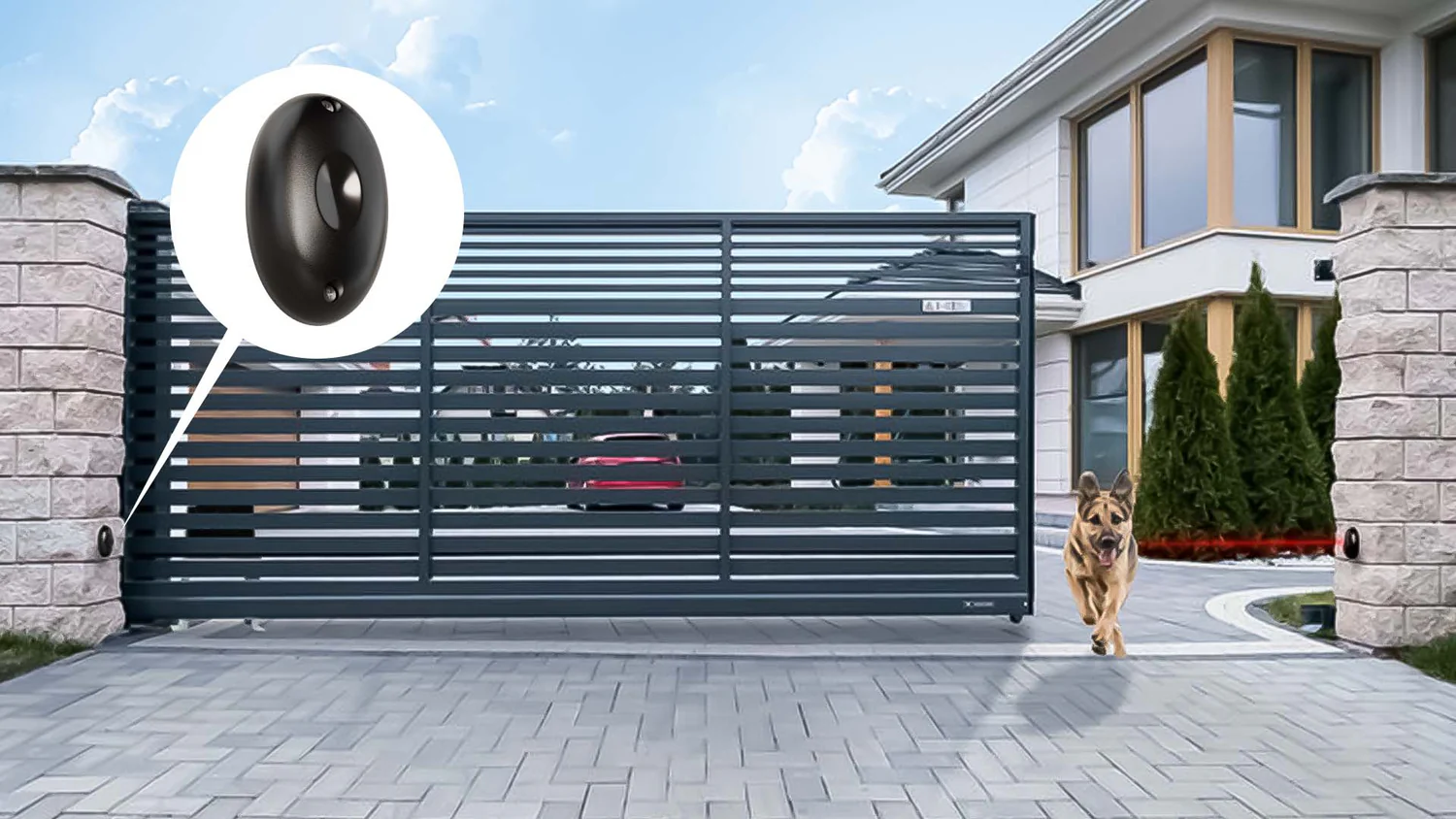
Many automatic door photocell sensors work with two main parts: an emitter and a receiver. The emitter sends a light or infrared beam across a specific path, and the receiver detects that beam on the opposite side.
As long as the receiver continuously sees the beam, the system assumes the path is clear.
Beam interruption and detection
When a person or object enters the beam path, the signal is interrupted. The receiver no longer detects the beam normally, and that change is interpreted as a presence or obstacle event.
The system then reacts according to how the sensor is integrated into the door controller. In many cases, the response is to stop the door from closing, reopen it, or hold it open until the path is clear.
This is why the photocell sensor is often described as a protective “line of sight” device.
Signal response inside the door system
The sensor itself does not make the whole decision in isolation. It sends a signal to the automatic door control system, which then performs the programmed action.
That action may vary depending on the application. In a sliding entrance door, the system may keep the door open. In an industrial door, it may stop downward movement and reverse direction. The exact response depends on the door type, controller logic, and safety setup.
Main Functions of an Automatic Door Photocell Sensor
Obstacle detection
The most basic function is detecting whether something is in the path of the door. This can include people, carts, equipment, or other moving objects.
Safety protection
Safety is the core reason these sensors are widely used. They help prevent the door from closing on a person or object and reduce the chance of accidents in the doorway area.
Door control support
Although the sensor is often viewed as a safety component, it also supports better overall door control. By giving the controller more accurate information about the opening area, it helps the system behave more predictably.
Improved user experience
A well-functioning automatic door should feel smooth and unobtrusive. Photocell sensors contribute to that experience by reducing awkward or unsafe door movement.
In high-traffic environments, this can make a meaningful difference.
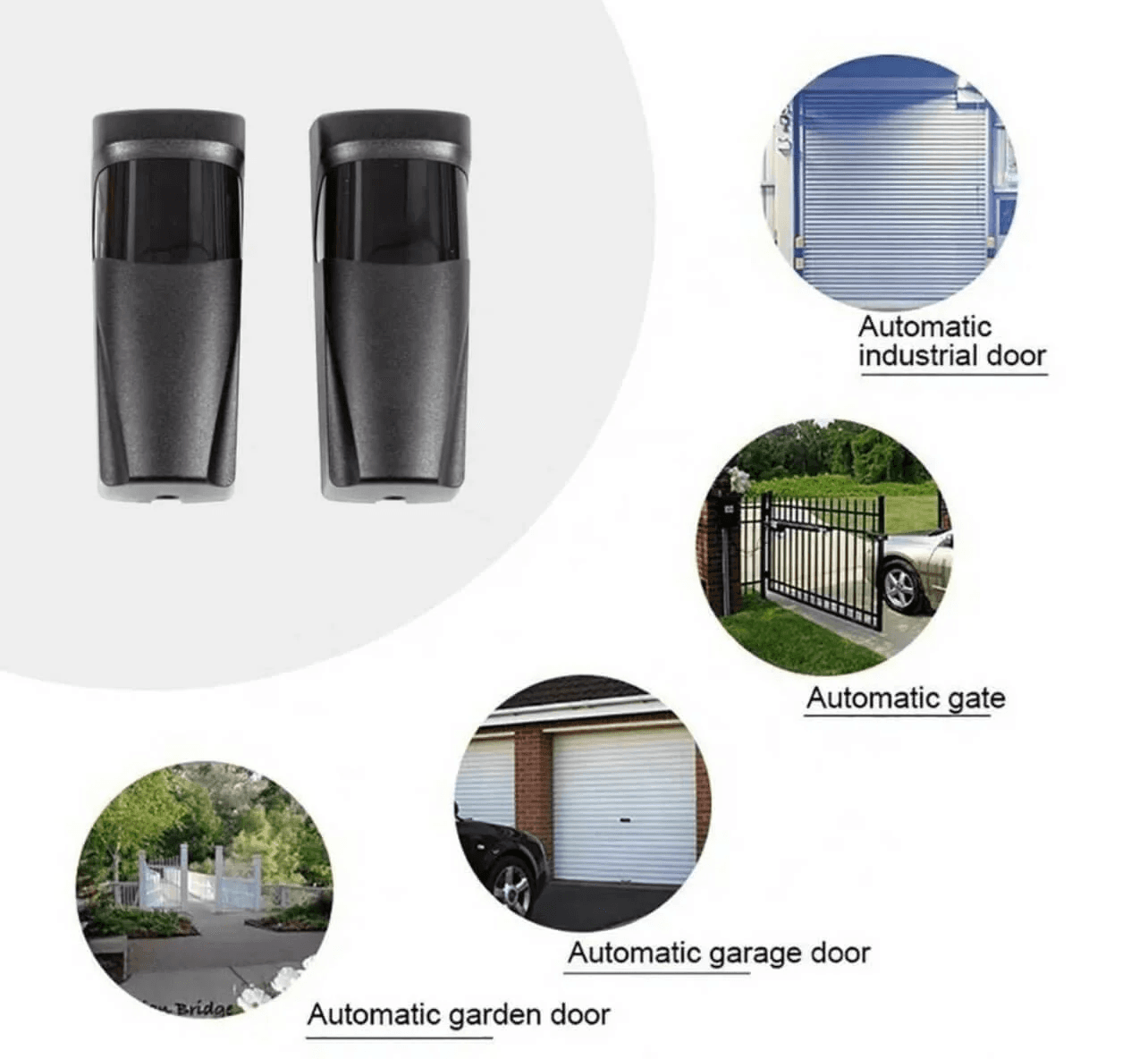
Where Automatic Door Photocell Sensors Are Used
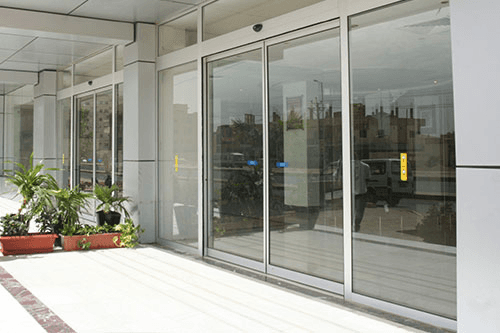
Automatic sliding doors
Automatic sliding doors are one of the most common applications. In these systems, the sensor helps monitor the threshold or travel path so the door does not close while someone is passing through.
Industrial doors
Industrial and warehouse doors often require stronger safety measures because people, forklifts, pallets, and equipment frequently move through the opening. In these settings, photocell sensors are especially important.
Commercial entrances
Retail stores, office buildings, hospitals, hotels, and public buildings often use automatic door safety sensors to improve both convenience and user protection.
Parking and access systems
Photocell-type sensors can also be used in gates, barriers, and access control points where obstacle detection is necessary for safe movement.
Types of Automatic Door Photocell Sensors
Not all photocell sensors use exactly the same sensing method. The main product categories include the following.
Through-beam sensors
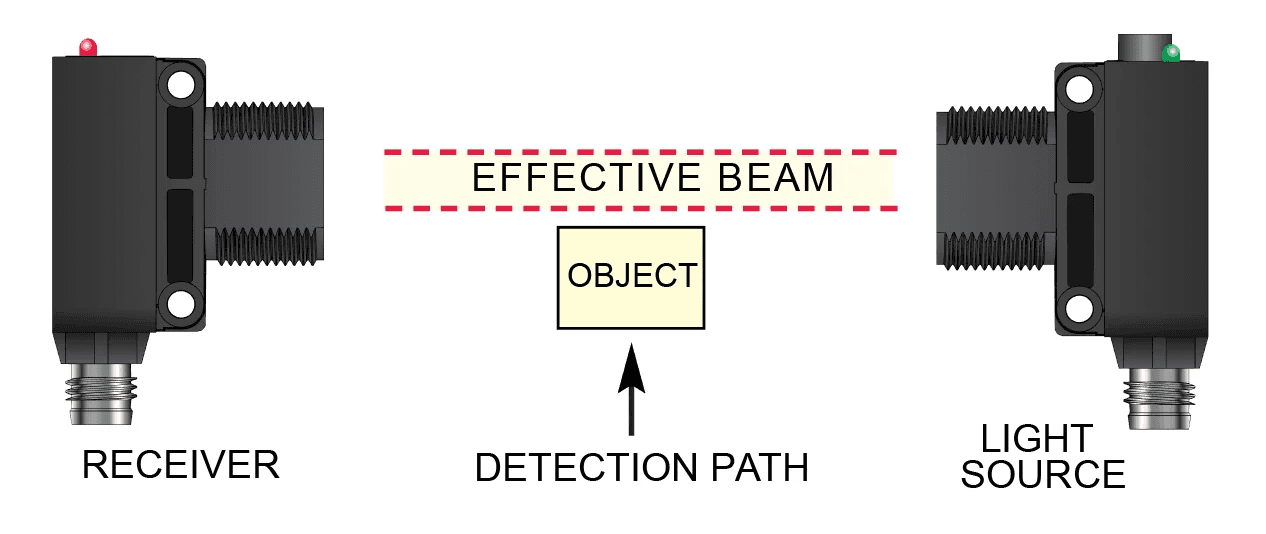
A through-beam sensor uses a separate emitter and receiver mounted opposite each other. The beam travels directly across the opening. When blocked, the system detects the interruption.
This design is often used when strong, reliable line detection is needed.
Reflective sensors
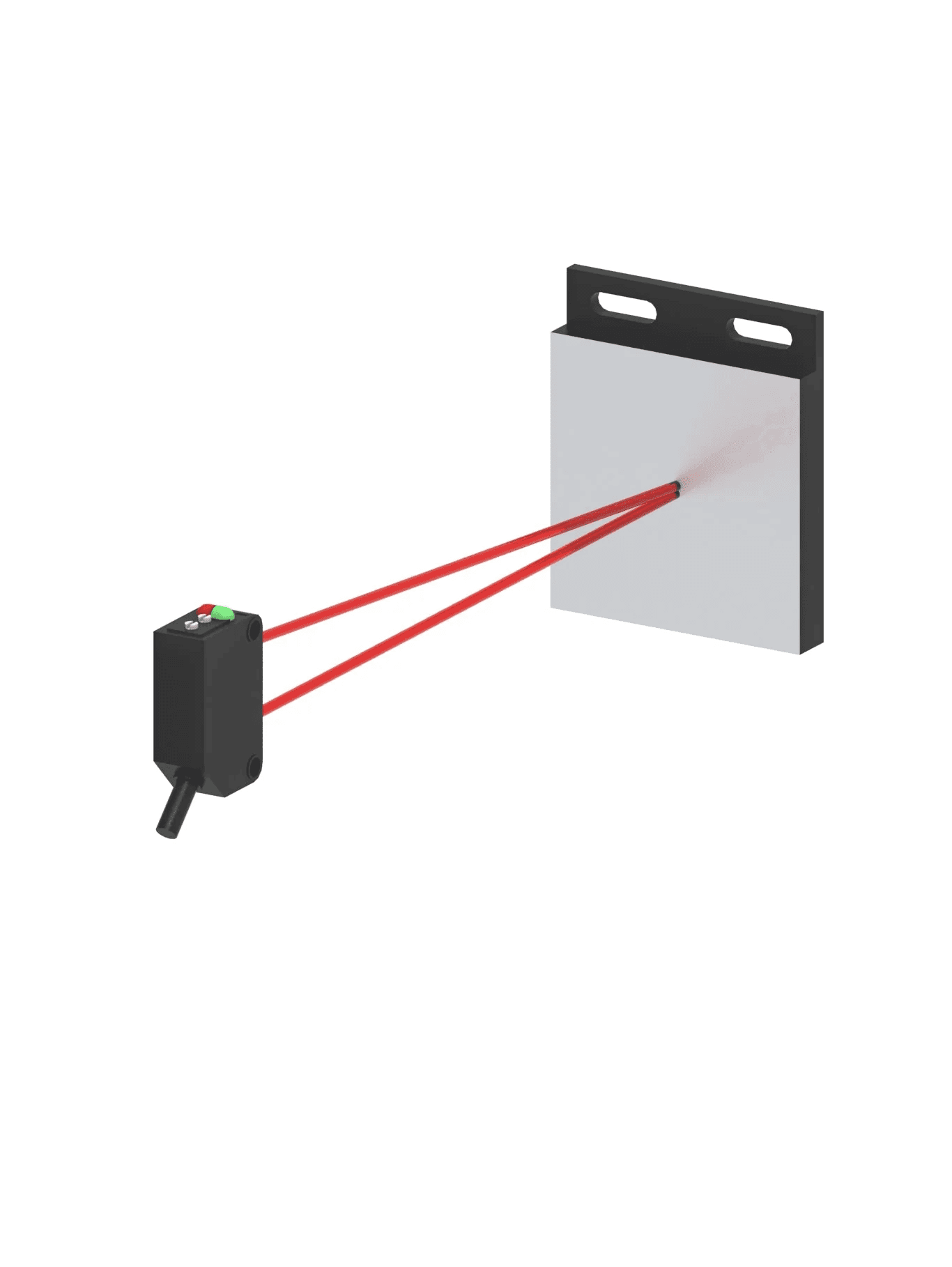
A reflective sensor works by sending a signal toward a reflector or by detecting reflected light from a target area. These can simplify installation in some situations, although the application depends on the door design and environment.
Infrared safety photocells
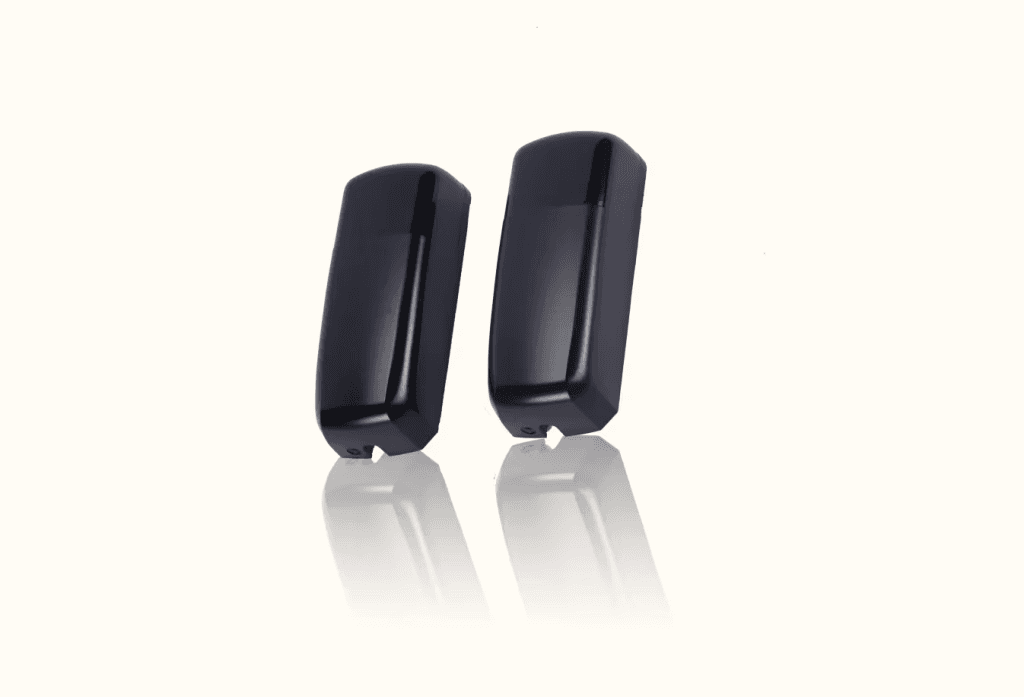
Many automatic door systems use infrared photocells because they are practical, responsive, and suitable for common door safety applications. Infrared door sensors are widely associated with modern automatic entrances.
Automatic Door Photocell Sensor vs Other Door Sensors
One of the most important distinctions in this product category is the difference between a photocell safety sensor and other automatic door sensors.
Some sensors are designed to activate a door. For example, motion sensors detect approaching movement and trigger the door to open.
A photocell sensor is often designed to protect the doorway by detecting presence or obstruction in a defined path.
In many automatic door systems, both functions are needed. One sensor tells the door when to open. Another helps ensure it closes safely.
Understanding that difference helps buyers avoid choosing the wrong product for the wrong role.
How to Choose an Automatic Door Photocell Sensor
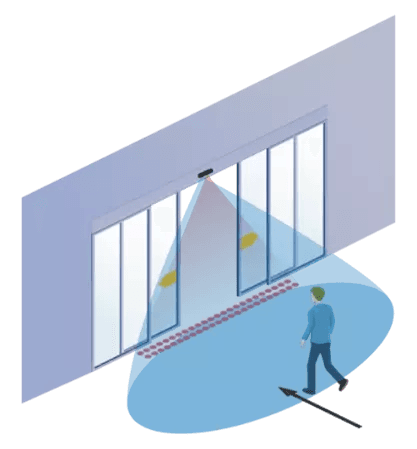
Choosing the right model requires more than picking a familiar product name. Buyers should evaluate application needs, installation conditions, and system compatibility.
1. Detection range
The sensor must cover the required doorway or protection zone. A sensor that is not suitable for the opening width or installation geometry may not perform as intended.
2. Installation environment
Indoor commercial entrances and harsh industrial sites are very different environments. Dust, sunlight, moisture, temperature swings, and vibration can all influence sensor performance and product selection.
3. Response speed
In automatic door systems, response speed matters. The sensor should react quickly enough to support safe operation, especially in high-traffic or industrial environments.
4. Compatibility
The sensor must work with the door controller and overall system configuration. Electrical compatibility, mounting requirements, and signal integration all deserve attention before purchase.
5. Durability and enclosure design
A sensor’s housing and construction matter, especially where impact risk, weather exposure, or heavy use is expected. A low-cost sensor may not remain reliable if the enclosure is weak or poorly suited to the site.
Common Problems with Automatic Door Photocell Sensors
Like many sensing devices, photocell sensors can experience problems if they are poorly installed, misaligned, contaminated, or used in the wrong environment.
Common issues include:
beam misalignment
dirty sensor surfaces
wiring faults
environmental interference
inconsistent response
incorrect mounting height
controller compatibility problems
In many cases, the sensor is not “bad” in itself. The issue may come from positioning, maintenance, or system setup.
That is why correct installation and regular inspection matter just as much as product selection.
What to Ask a Supplier Before Buying
A better procurement process starts with better questions. Before selecting an automatic door photocell sensor, ask the supplier:
What application is this model designed for?
Is it intended mainly for activation, safety, or both?
What is the detection range?
Is it suitable for indoor or outdoor use?
How does it perform in dusty or high-light environments?
What voltage and signal requirements apply?
Is it compatible with my door controller?
What enclosure protection or durability level does it offer?
What installation instructions and technical documentation are available?
What testing or quality control is performed before shipment?
These questions help buyers compare products based on function and fit, not just price.
Conclusion
An automatic door photocell sensor is a small component with a very important job. It helps automatic doors detect people or obstacles, support safer movement, and respond more intelligently in real-world use. By using a light or infrared beam to monitor the opening area, it gives the door system a clear signal when something is present in the path.
For buyers, installers, and project specifiers, the key is to understand that not all door sensors do the same job. A photocell sensor is often part of the safety logic of the system, and its value lies in reliable detection, proper integration, and suitability for the operating environment. If you choose based on function, compatibility, and durability rather than price alone, you are far more likely to get a door system that performs safely and consistently over time.
FAQ about what is auto door photocell sensor
1. What is an automatic door photocell sensor?
An automatic door photocell sensor is a photoelectric device that detects people or objects in the path of an automatic door and sends a signal to help the door operate safely.
2. How does an automatic door photocell sensor work?
It usually works by sending a light or infrared beam between an emitter and a receiver. When the beam is interrupted, the door system detects the presence of an obstacle or person and responds accordingly.
3. Is a photocell sensor the same as a motion sensor?
No. A motion sensor is often used to activate a door when someone approaches. A photocell sensor is more commonly used for presence or obstacle detection as part of the safety function.
4. Where are automatic door photocell sensors used?
They are commonly used in automatic sliding doors, commercial entrances, industrial doors, warehouse access points, gates, and other automated entry systems.
5. What are the main benefits of an automatic door photocell sensor?
The main benefits are improved safety, smoother door operation, better obstacle detection, and more reliable control in busy or sensitive access areas.
6. What should I check before buying one?
Check the detection range, operating environment, response speed, controller compatibility, mounting requirements, and enclosure durability.
Other Blogs