Blog
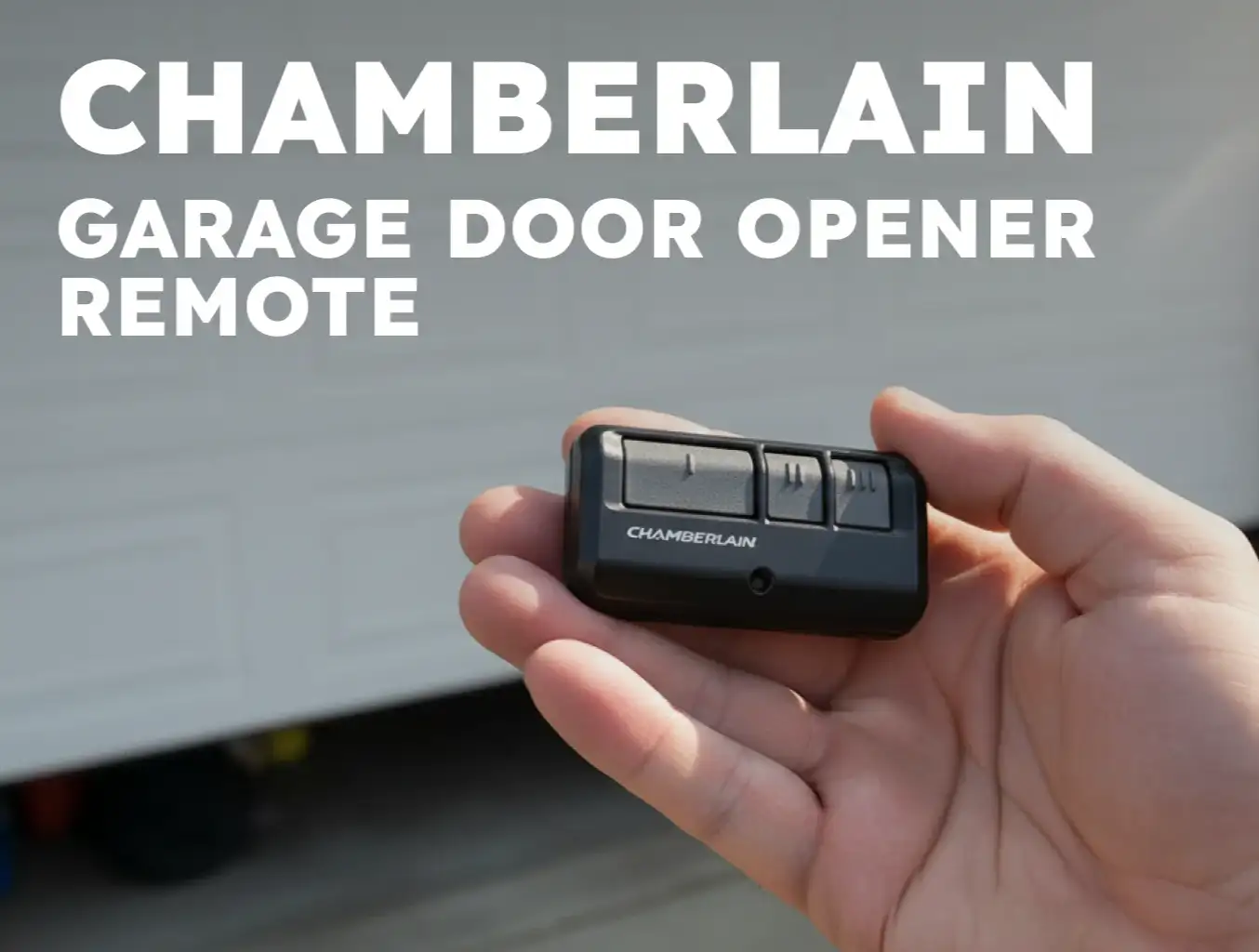
Garage Door Opener Remote Not Working? Common Fixes
Author
Ray
Published
Category
Guide

Author
Ray
An experienced automation specialist with a strong background in motor technology and industrial solutions. With years of expertise in central motors, tubular motors, and automation systems, the author is dedicated to sharing insights that connect engineering innovation with real-world applications. Passionate about advancing reliable, energy-efficient, and high-performance automation products for global markets.
What’s better than insider perks, pro tips, and surprises?
Sign up to get the most recent blog articles in your email every week.
Join now.
WHY I WRITE THIS
About my business
Our company’s main product lines include tubular motors, sliding gate motors, swing gate motors, roller shutter motors, and other door automation solutions, all manufactured by trusted partner factories we have worked with for many years.
Our Services
I help them with sales and export operations, while our company also provides sourcing and procurement services in China to help international clients solve supply-related challenges. If you need assistance with procurement, please feel free to contact us.
Introduction
A garage door opener remote is designed to provide quick and convenient access to your garage, but when it suddenly stops working, it can quickly become frustrating. In many cases, the problem is not as serious as it first appears. Most remote issues are caused by simple factors such as weak batteries, signal interference, programming errors, or compatibility problems.
Modern garage door opener systems rely on wireless communication between the remote transmitter and the opener receiver. If that communication is interrupted, the garage door may fail to respond even though the opener itself is still functioning correctly.
This guide explains the most common reasons why a garage door opener remote stops working and how to fix each issue step by step. Whether the remote stopped working suddenly, only works at close range, or fails after programming, the following troubleshooting methods can help restore normal operation.
How Garage Door Opener Remotes Work
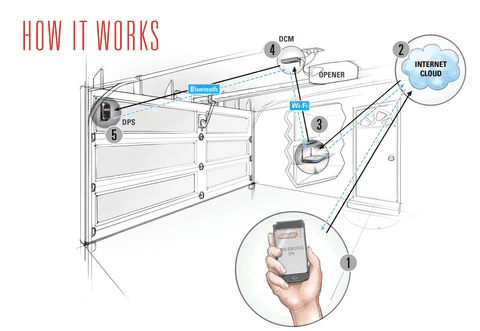
A garage door remote sends a wireless signal to the opener motor unit installed in the garage. When the opener recognizes the signal, it activates the motor and moves the door.
Most modern systems use rolling code technology, which changes the signal each time the remote is used. This improves security and prevents signal copying. However, because the system depends on wireless communication, even small problems can interrupt operation.
A remote that appears completely dead may still have power but fail due to interference, memory problems, or incorrect programming.
1. Replace the Remote Battery
The most common reason a garage door remote stops working is a weak or dead battery.
Even if the remote’s LED light still turns on, the battery may not have enough power to transmit a strong signal. Weak batteries often cause inconsistent behavior such as:
The remote only working sometimes
Reduced operating range
Delayed response
Intermittent connection
Remove the battery cover and replace the battery with the correct type recommended for the remote model. After replacing it, test the remote from a short distance away.
If the remote begins working normally again, the problem was likely battery-related.
2. Check the Distance and Signal Range
If the remote only works when standing very close to the garage door opener, the issue may involve signal range.
Several factors can reduce wireless signal strength:
Metal structures
Thick concrete walls
Electrical interference
Damaged antennas
Nearby wireless devices
Try testing the remote from different positions. If the signal improves closer to the opener, interference or antenna problems may be affecting performance.
Also check whether the opener’s antenna wire is hanging properly and not damaged or folded against metal surfaces.
3. Reprogram the Garage Door Remote
Sometimes the remote loses synchronization with the opener system and needs to be programmed again.
Most garage door openers use a learn button located on the opener motor housing. Pressing this button places the opener into programming mode for a short period.
The general process usually involves:
Press the learn button on the opener
Wait for the indicator light
Press the remote button
Wait for confirmation from the opener
If programming succeeds, the opener usually responds with a light flash, click sound, or door movement.
Incorrect timing is one of the most common programming mistakes. If the process fails, repeat it carefully and make sure the remote button is pressed within the programming window.
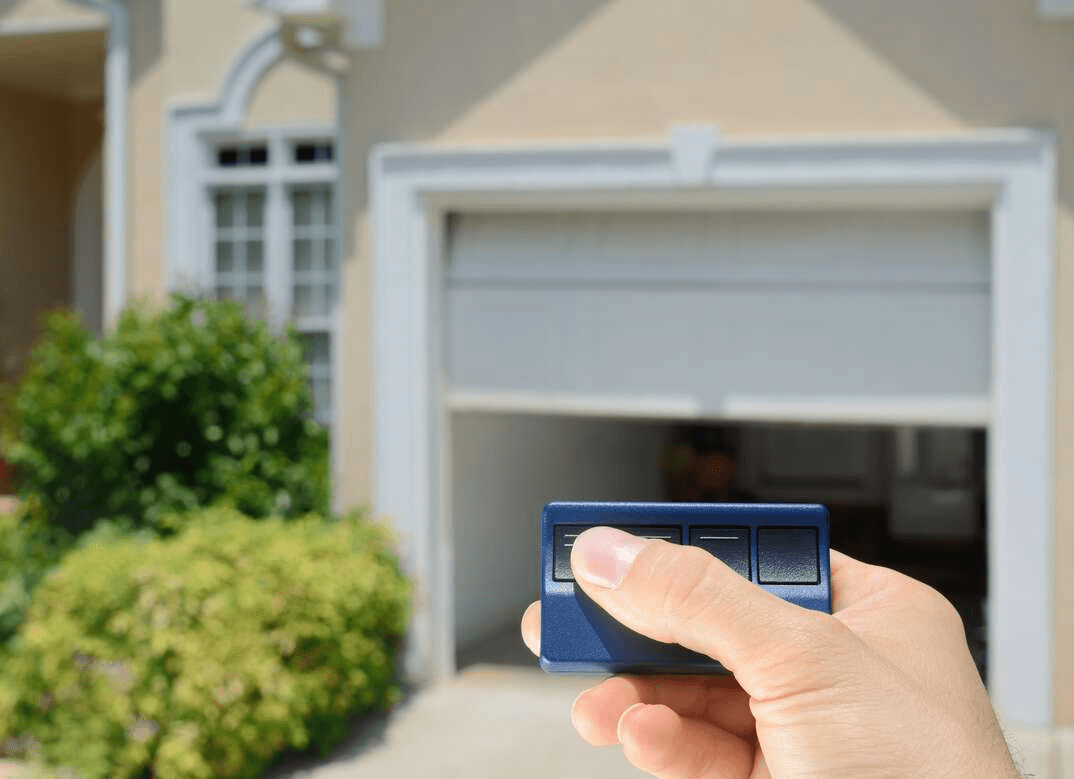
4. Make Sure the Remote Is Compatible
Not every garage door remote works with every opener.
Compatibility depends on several factors:
Brand
Signal frequency
Rolling code technology
Opener generation
Receiver type
A remote may look identical to another model but still fail because the internal communication protocol is different.
Before replacing or reprogramming a remote, verify that it is compatible with the opener model. Universal remotes can work with many brands, but they still require correct frequency and system support.
Compatibility issues are especially common when using aftermarket remotes or older garage door opener systems.
5. Check Whether the Opener Memory Is Full
Many garage door opener systems can only store a limited number of remotes.
If the opener memory is full, new remotes may fail to program correctly. This often happens in homes where multiple family members, vehicles, or previous owners added remotes over time.
In this situation, clearing unused remotes from memory may solve the problem.
Some systems allow individual deletion, while others require a full memory reset followed by reprogramming all active remotes again.
6. Inspect the Remote for Physical Damage
Physical damage is another common reason a garage door remote stops working.
Problems may include:
Worn buttons
Cracked internal circuits
Water damage
Broken battery contacts
Damaged transmitter components
A remote that has been dropped repeatedly may still appear normal externally while failing internally.
If the remote feels loose, unresponsive, or inconsistent even after replacing the battery, the transmitter itself may be damaged.
In many cases, replacing the remote is more practical than repairing internal electronic components.
7. Reset the Garage Door Opener System
If multiple remotes suddenly stop working, the issue may involve the opener rather than the remotes themselves.
Power surges, memory corruption, or logic board errors can sometimes affect the receiver system.
A full opener reset may help restore normal communication.
This process usually involves:
Disconnecting power temporarily
Clearing opener memory
Reprogramming remotes
Rechecking settings
However, resetting should be done carefully because it may erase all paired remotes and keypad settings.
8. Check the Wall Control
The wall-mounted control panel can help determine whether the issue is related to the remote or the opener itself.
If the wall button works normally but the remote does not, the opener motor and drive system are likely functioning correctly. In this case, the issue is usually limited to the remote, signal, or programming.
If neither the wall control nor the remote works, the problem may involve:
Power supply
Wiring
Safety sensors
Opener logic board
Motor failure
This distinction can help narrow down the troubleshooting process much faster.
9. Inspect Nearby Electronic Interference
Wireless interference is often overlooked during troubleshooting.
Devices that may interfere with garage door remote signals include:
Wi-Fi routers
LED lighting
Security systems
Wireless cameras
Smart home devices
Radio equipment
If the problem started after installing new electronics nearby, temporary interference may be blocking the signal between the remote and opener.
Turning nearby devices off one at a time can help identify the source.
10. Consider Upgrading Older Remote Systems
Older garage door opener systems may use outdated fixed-code technology or aging receivers that no longer operate reliably.
Modern remotes typically provide:
Better signal stability
Improved security
Rolling code encryption
Stronger range
Smart home integration
If your opener system is very old, upgrading the remote or receiver may provide more reliable long-term performance than repeated troubleshooting.
Common Garage Door Remote Problems
Remote Works Sometimes
Usually caused by weak batteries, interference, or antenna issues.
Remote Only Works Nearby
Often related to signal range problems or wireless interference.
Remote Stops Working After Battery Replacement
The battery may be installed incorrectly, or the remote may require reprogramming.
New Remote Will Not Program
Typically caused by incompatibility or opener memory limitations.
Multiple Remotes Stop Working
This may indicate an opener receiver or logic board problem.
How to Prevent Garage Door Remote Problems
Preventive maintenance can help reduce future issues.
Good practices include:
Replacing batteries regularly
Keeping remotes dry
Avoiding physical impact
Testing signal range periodically
Removing unused remotes from memory
Updating outdated systems when necessary
A well-maintained remote system is usually far more reliable over time.
Conclusion
A garage door opener remote may stop working for many reasons, but most problems can be solved through systematic troubleshooting. Batteries, programming errors, interference, compatibility issues, and worn hardware are among the most common causes.
The key is to diagnose the issue step by step rather than replacing parts immediately. In many cases, a simple battery replacement or quick reprogramming process restores normal operation within minutes.
Understanding how garage door remotes communicate with the opener system also makes future troubleshooting much easier. Whether you are dealing with a weak signal, a new replacement remote, or a complete programming failure, identifying the real cause is the first step toward a reliable solution.
FAQ
Why does my garage door remote stop working suddenly?
Common causes include dead batteries, signal interference, lost programming, or remote damage.
Why does my remote only work close to the garage?
This is usually caused by weak signal range, interference, or antenna problems.
Can I reprogram my garage door remote myself?
Yes. Most garage door opener systems allow users to program remotes using the opener’s learn button.
How do I know if my remote is compatible?
Check the opener brand, frequency, and supported remote models before programming.
Should I replace the remote or the opener?
If the opener still functions correctly, replacing the remote is usually enough. If multiple remotes fail, the opener system may need inspection.
Other Blogs