Blog
Roller Shutter Garage Door Motor: Types, Applications, Selection Guide, and China Manufacturer
Author
Ray
Published
Category
Guide
Learn how to choose a roller shutter garage door motor, compare central and side motors, and understand torque, door types, applications, and OEM sourcing from China.

Author
Ray
An experienced automation specialist with a strong background in motor technology and industrial solutions. With years of expertise in central motors, tubular motors, and automation systems, the author is dedicated to sharing insights that connect engineering innovation with real-world applications. Passionate about advancing reliable, energy-efficient, and high-performance automation products for global markets.
What’s better than insider perks, pro tips, and surprises?
Sign up to get the most recent blog articles in your email every week.
Join now.
WHY I WRITE THIS
About my business
Our company’s main product lines include tubular motors, sliding gate motors, swing gate motors, roller shutter motors, and other door automation solutions, all manufactured by trusted partner factories we have worked with for many years.
Our Services
I help them with sales and export operations, while our company also provides sourcing and procurement services in China to help international clients solve supply-related challenges. If you need assistance with procurement, please feel free to contact us.
A roller shutter garage door motor is an electric drive system used to automatically open and close roller shutter garage doors. Depending on the door structure, motor configuration, load requirements, and installation method, different motor types can be used, including central motors, side-mounted motors, tubular motors, and integrated garage door operators.
For homeowners, automatic operation provides convenient access. For garage door distributors, installers, and door manufacturers, selecting the right motor is more important because motor torque, door weight, duty cycle, control system, safety functions, and installation conditions directly affect system performance.
This guide explains the main types of roller shutter garage door motors, how they differ from sectional garage door motors, what specifications buyers should consider, and how to select a suitable motor manufacturer in China.
What Is a Roller Shutter Garage Door Motor?
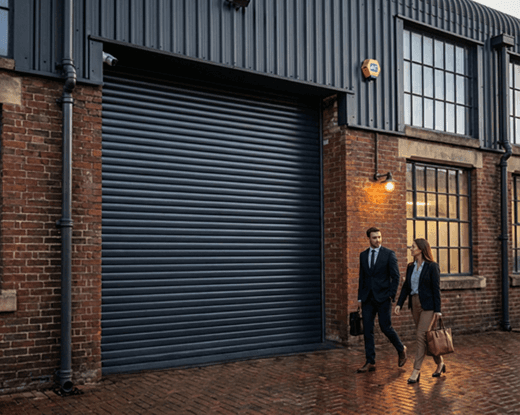
A roller shutter garage door motor is an electric motor designed to drive a rolling or shutter-style garage door. Instead of moving the entire door along horizontal tracks like a sectional garage door, a roller shutter door normally moves vertically and rolls around a shaft or drum above the opening.
The motor transfers rotational force to the door shaft, allowing the shutter curtain to move upward or downward.
A typical system may include:
Electric motor
Gearbox
Door shaft connection
Electromagnetic or mechanical brake
Control panel
Limit switch
Remote control or receiver
Manual override system
Safety accessories
For residential applications, compact motors may be sufficient. Commercial and industrial rolling doors generally require higher torque, stronger gearboxes, higher duty cycles, and more robust control systems.
Roller Shutter Motor vs. Garage Door Motor
The terms roller shutter motor and garage door motor are sometimes used interchangeably, but they do not always describe the same type of drive system.
A roller shutter motor is generally selected according to the shutter curtain, shaft configuration, door weight, and required torque. A garage door motor is a broader term that can include operators for roller garage doors, sectional doors, overhead doors, and other garage door systems.
Feature | Roller Shutter Motor | Sectional Garage Door Motor |
|---|---|---|
Door movement | Vertical rolling | Vertical + horizontal along tracks |
Typical drive | Shaft or barrel | Trolley/operator system |
Main specification | Torque and door load | Door weight, height and travel |
Installation | Above or around door shaft | Ceiling or header mounted |
Common applications | Roller shutters, rolling garages | Sectional and overhead garage doors |
Control | Wall switch, remote, control panel | Remote, wall control, smart control |
Therefore, buyers should identify the door construction and operating mechanism before selecting a motor.
Main Types of Roller Shutter Garage Door Motors
Different garage and rolling door designs require different motor configurations.
Central Motor
A central motor, also called a tubular shaft-mounted or central rolling door motor in some markets, is installed around or within the central drive shaft of a rolling shutter system.
Central motors are commonly selected for medium- and heavy-duty rolling doors where sufficient torque and reliable mechanical transmission are required.
Typical considerations include:
Rated torque
Door weight
Shaft diameter
Operating frequency
Brake capacity
Limit switch configuration
Manual override
Power supply
Central motors are particularly relevant to commercial rolling shutters, warehouse doors, shopfront shutters, and larger garage applications.
Side-Mounted Motor
A side-mounted motor is installed beside the rolling door shaft and transfers power through a chain, sprocket, gearbox, or similar mechanical connection.
This configuration is often used for heavier rolling doors because the motor can be positioned outside the shaft and sized according to the required torque.
Side-mounted systems can be useful when:
The door is large or heavy
Higher torque is required
The shaft cannot accommodate a central motor
Maintenance access is important
The installation requires a specific mechanical configuration
Tubular Motor
A tubular motor is installed inside the roller tube or barrel.
This compact configuration is commonly used for:
Residential roller shutters
Window shutters
Small garage roller doors
Awnings
Blinds
Tubular motors provide a clean appearance because most of the motor is concealed inside the tube. However, the appropriate motor must be selected according to tube diameter, curtain weight, torque, speed, and duty cycle.
Garage Door Operator
A garage door operator is designed to move a garage door through a dedicated mechanical mechanism.
For sectional garage doors, the operator may use a trolley, chain, belt, or other transmission mechanism. The motor does not simply rotate the door shaft; instead, it drives the door along its track system.
This makes a sectional garage door operator mechanically different from a central roller shutter motor.

How to Choose a Roller Shutter Garage Door Motor
Choosing a motor based only on the door's dimensions can result in incorrect sizing. Professional buyers should evaluate several technical parameters.
1. Door Weight
Door weight is one of the most important factors.
A heavier steel or industrial shutter generally requires higher torque than a lightweight residential aluminum shutter.
However, motor sizing should not be based on weight alone. The door's shaft diameter, balance system, friction, gearing, and mechanical design also affect the required torque.
2. Required Torque
Torque is normally expressed in Nm (Newton meters).
The required torque depends on the mechanical design of the door and the relationship between the motor and drive shaft.
For example, a motor designed for a lightweight residential roller shutter may have completely different torque requirements from a motor used for a large industrial rolling door.
Manufacturers should therefore provide torque ratings together with applicable door configurations rather than claiming that one motor is suitable for every door.
3. Door Size
Door width and height affect the total curtain weight and operating load.
When comparing motors, buyers should provide:
Door width
Door height
Curtain material
Curtain weight
Shaft diameter
Shaft length
Door balance system
Required opening speed
This information allows the manufacturer or engineer to recommend a suitable motor.
4. Duty Cycle
Duty cycle indicates how frequently the motor can operate within a specific period.
Residential garage doors may have relatively low daily usage, while commercial and industrial rolling doors may open and close many times per day.
For high-frequency applications, buyers should consider:
Motor thermal protection
Gearbox durability
Brake life
Duty-cycle rating
Cooling design
Control system reliability
5. Power Supply
Common power configurations include:
110–120V
220–240V
Single-phase AC
Three-phase AC
DC power systems
The correct voltage and phase depend on the target market and application.
For international OEM projects, manufacturers should confirm the required electrical specification before production.
6. Safety and Manual Override
A roller shutter garage door motor should also provide appropriate safety functions.
Depending on the product design, these may include:
Electromagnetic brake
Manual emergency release
Thermal protection
Limit switch
Obstacle detection
Emergency stop
Safety edge compatibility
Photocell compatibility
For commercial and industrial doors, the safety system should be designed together with the door operator rather than treating the motor as an isolated component.
Roller Shutter Garage Door Motor Applications
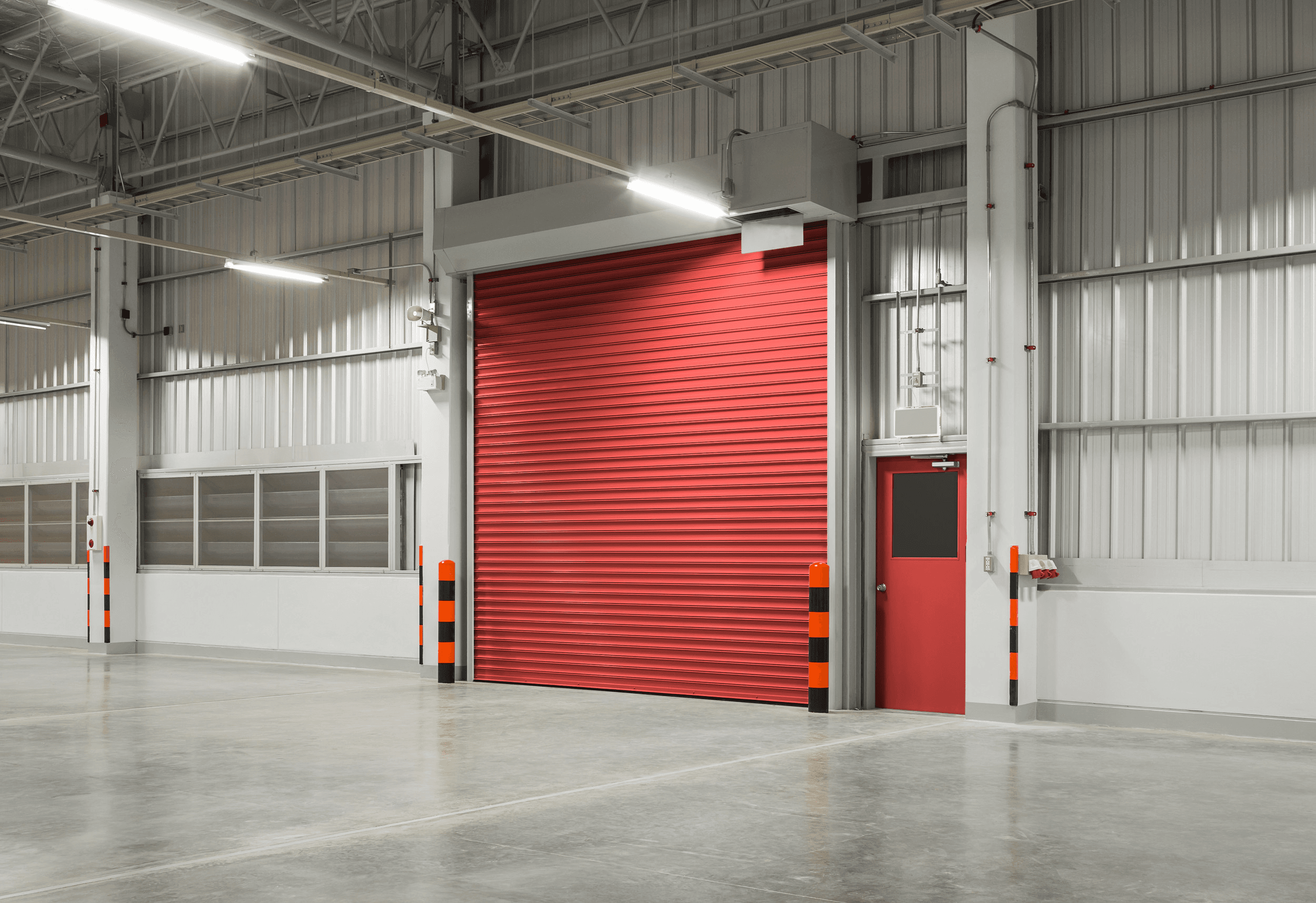
Roller shutter motors are used across residential, commercial, and industrial environments.
Residential Garages
Compact roller shutter garage door motors can automate residential roller doors where space-saving installation and convenient remote operation are required.
Commercial Shops
Rolling shutters are widely used for storefront security. Motorized operation allows shop owners to open and close large shutters quickly.
Warehouses
Warehouse rolling doors generally require stronger motors and more durable control systems because of their larger size and higher operating frequency.
Industrial Buildings
Industrial rolling doors may require high-torque motors, three-phase power, heavy-duty gearboxes, emergency manual operation, and integrated safety systems.
Fire-Rated Rolling Doors
Fire-rated rolling doors require specialized door systems and compatible motors. The operator must be selected according to the complete fire-door system and applicable local requirements.
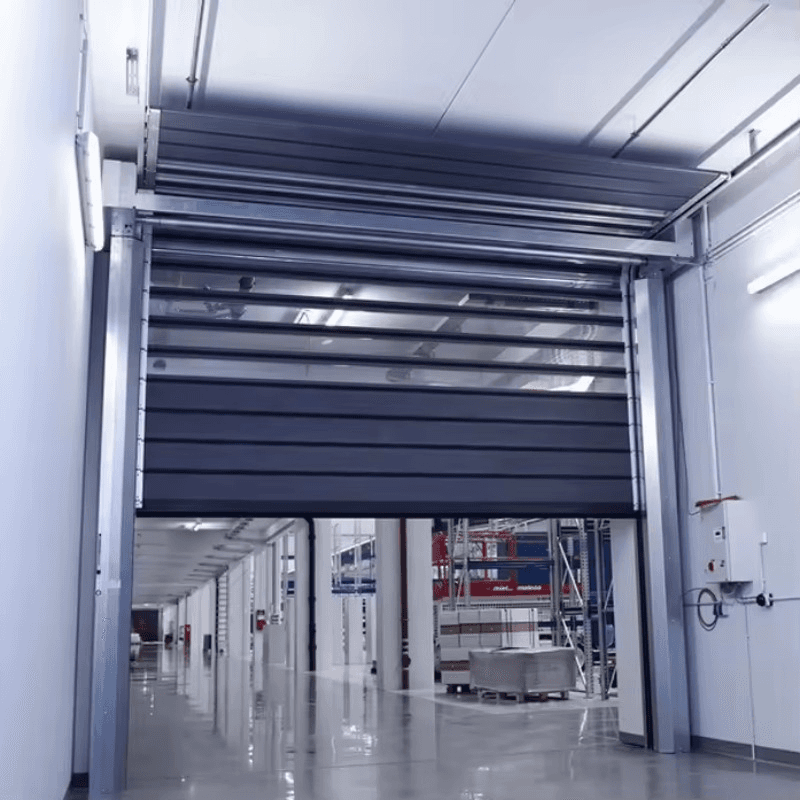
Roller Shutter Garage Door Motor vs. Sectional Door Motor
One of the most common mistakes when sourcing door motors is treating all automatic garage door motors as the same product.
A roller shutter motor rotates a shaft or drum to wind the curtain around the door barrel.
A sectional door motor drives a sectional door along its tracks, typically through a trolley, chain, belt, or industrial operator.
The two systems therefore have different mechanical requirements.
For example, a sectional door motor may be specified according to:
Door area
Door weight
Door height
Track configuration
Opening speed
Operator mounting position
A rolling shutter motor may instead be specified according to:
Shaft diameter
Curtain weight
Required torque
Gear ratio
Brake capacity
Opening speed
This distinction is particularly important for distributors sourcing products from China.
Why Source Roller Shutter Garage Door Motors From China?
China has a large manufacturing base for electric door operators, rolling shutter motors, garage door openers, tubular motors, and industrial door automation systems.
For international buyers, working directly with a Chinese manufacturer can provide several advantages:
OEM and ODM Development
Manufacturers can develop motors according to customer requirements, including:
Motor specifications
Housing design
Control systems
Remote controls
Packaging
Product labels
User manuals
Brand customization
Multiple Product Categories
A manufacturer with a broader product portfolio can supply several types of door operators through one supply chain.
For example:
Rolling Shutter Motors → Central Motors → Side Motors → Garage Door Motors → Sectional Door Motors → Industrial Door Motors
This can simplify product development and sourcing for distributors.
International Market Support
Experienced export manufacturers may provide technical documents, installation manuals, certifications, spare parts, packaging customization, and after-sales support for different international markets.
However, buyers should verify the actual certification, test reports, factory capabilities, and product specifications for the specific motor model rather than relying only on general company-level claims.
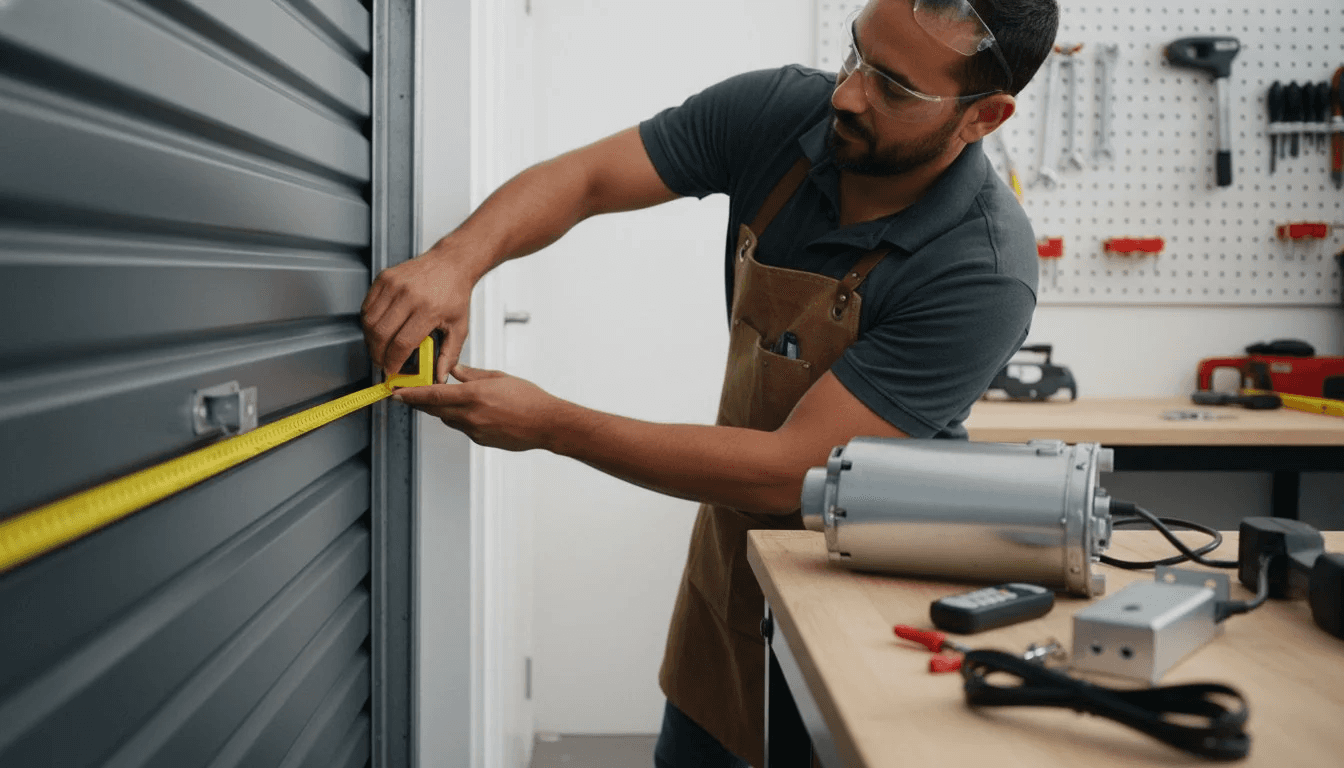
How to Select a China Roller Shutter Motor Manufacturer
When comparing Chinese manufacturers, consider more than the factory price.
A professional supplier evaluation should include:
Product Range
Check whether the manufacturer produces the specific motor type required for your application.
Manufacturing Capability
Review production equipment, assembly lines, testing equipment, quality-control procedures, and production capacity.
Product Testing
Ask for technical specifications and applicable test reports for the exact model.
OEM/ODM Capability
If you are building a private-label product line, confirm whether the manufacturer supports:
Custom branding
Custom housing
Custom control systems
Packaging
User manuals
Product development
Export Experience
A supplier experienced in international markets may be more familiar with electrical requirements, documentation, packaging, and shipping procedures.
Spare Parts and Technical Support
For door automation products, long-term spare-parts availability is important because motors and control systems may need maintenance years after installation.
China-Develop Roller Shutter and Door Motor Solutions
China-Develop focuses on electric door automation products for international distributors, door manufacturers, installers, and OEM customers.
Its product range covers multiple door automation categories, including central motors, rolling shutter motors, garage door motors, sectional door motors, and industrial door motors.
This broader product structure allows customers to source different door motor solutions from one manufacturer instead of purchasing each product category from separate suppliers.
For OEM and private-label projects, buyers can discuss requirements such as:
Door type
Door dimensions
Door weight
Required torque
Operating frequency
Voltage
Opening speed
Control requirements
Safety functions
Branding
Packaging
The appropriate motor should then be selected according to the complete door system rather than using a general motor specification alone.
Frequently Asked Questions
What is a roller shutter garage door motor?
A roller shutter garage door motor is an electric drive used to automatically open and close a roller shutter or rolling garage door. The motor normally drives the door shaft or barrel to raise and lower the curtain.
What is the difference between a central motor and a side motor?
A central motor is generally positioned around or within the main drive shaft, while a side motor is mounted beside the shaft and transfers power through a mechanical transmission system. The appropriate configuration depends on the door structure, shaft design, load, and available installation space.
Can a roller shutter motor be used for a sectional garage door?
Not necessarily. Roller shutter and sectional doors use different mechanical drive systems. A sectional door normally requires a dedicated sectional door operator designed for its tracks, balance system, travel distance, and load.
How much torque does a roller shutter garage door motor need?
There is no single torque value suitable for every door. Required torque depends on door weight, dimensions, shaft diameter, balance system, friction, transmission ratio, and operating conditions. The manufacturer should calculate or confirm the appropriate torque for the complete door system.
Are Chinese roller shutter motor manufacturers suitable for OEM projects?
Many Chinese manufacturers offer OEM and ODM services, but buyers should evaluate each supplier's actual manufacturing capability, product testing, certifications, export experience, customization capability, and after-sales support before placing an order.
What should I provide when asking a manufacturer for a motor quotation?
Provide the door type, width, height, approximate door weight, shaft diameter, required opening speed, daily operating frequency, voltage, control requirements, target market, and any required certifications. These details help the manufacturer recommend the correct motor specification.
Conclusion
Selecting a roller shutter garage door motor requires more than matching a motor to the size of a door. Buyers should consider the door structure, torque, load, shaft configuration, duty cycle, power supply, safety functions, and installation environment.
Central motors, side-mounted motors, tubular motors, garage door operators, and sectional door motors serve different applications. Understanding these differences helps distributors, installers, door manufacturers, and OEM buyers choose a suitable automation system.
For companies sourcing from China, working with a manufacturer that covers multiple door automation categories can also simplify product development and supply-chain management. A supplier capable of supporting rolling shutter motors, garage door motors, sectional door motors, and industrial door operators can provide a more complete solution for international door automation markets.
Other Blogs