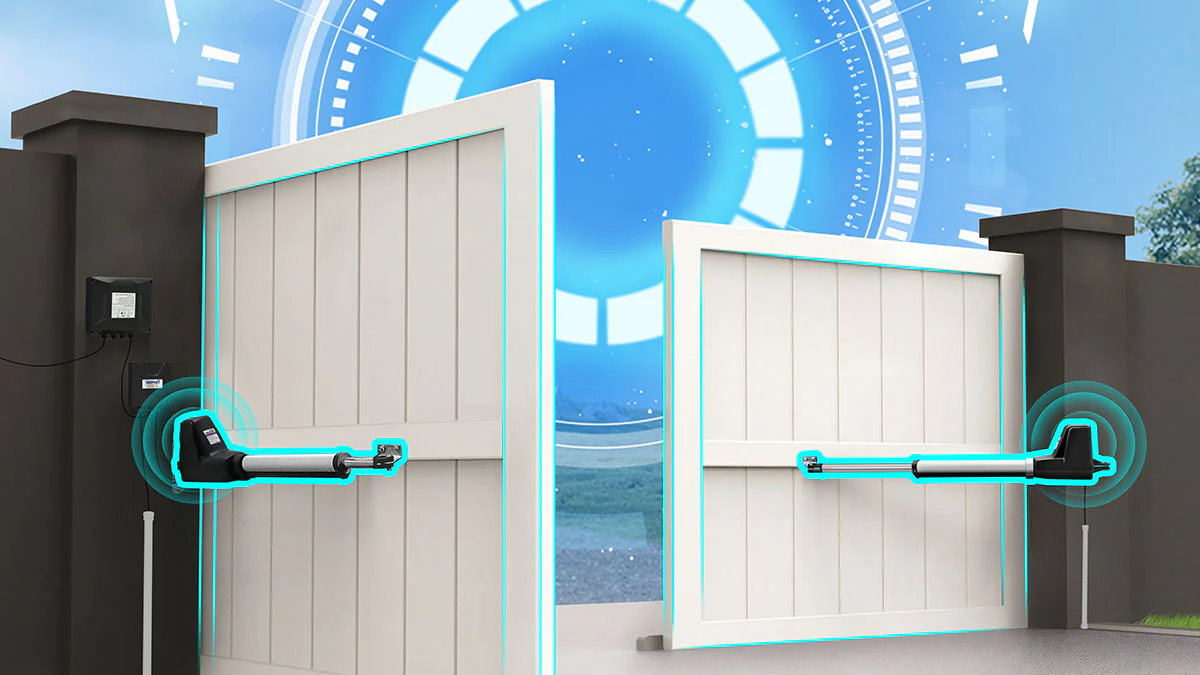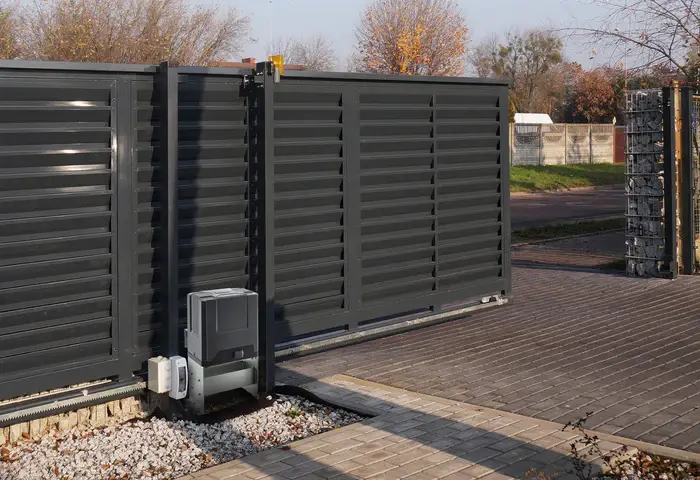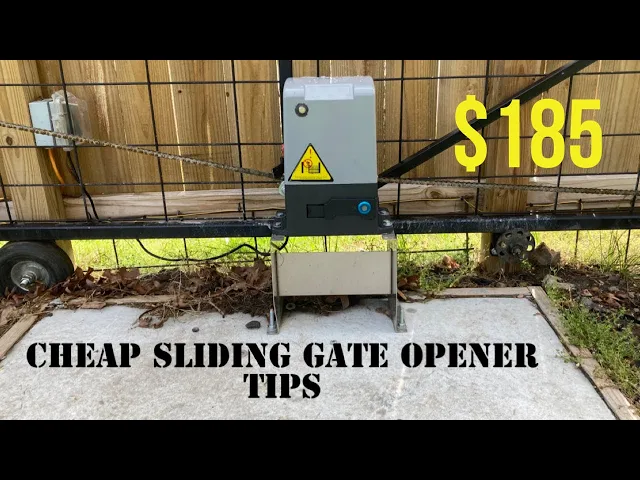
Blog
Sliding Gate Motor: Types, Lifespan & Installation Costs
Author
Ray
Published
Category
Sliding Gate Motor
A practical guide to sliding gate motor types, service life, installation cost factors, and installation requirements—written for buyers, installers, and property owners.

Author
Ray
An experienced automation specialist with a strong background in motor technology and industrial solutions. With years of expertise in central motors, tubular motors, and automation systems, the author is dedicated to sharing insights that connect engineering innovation with real-world applications. Passionate about advancing reliable, energy-efficient, and high-performance automation products for global markets.
What’s better than insider perks, pro tips, and surprises?
Sign up to get the most recent blog articles in your email every week.
Join now.
WHY I WRITE THIS
About my business
Our company’s main product lines include tubular motors, sliding gate motors, swing gate motors, roller shutter motors, and other door automation solutions, all manufactured by trusted partner factories we have worked with for many years.
Our Services
I help them with sales and export operations, while our company also provides sourcing and procurement services in China to help international clients solve supply-related challenges. If you need assistance with procurement, please feel free to contact us.
Introduction
If you are comparing gate automation options, the most important question is not simply which sliding gate motor is cheapest—it is which one is correctly matched to your gate, usage pattern, and site conditions. A sliding gate motor automates a gate’s movement along a track, but its performance, lifespan, and installation cost depend on far more than the motor unit itself.
For most buyers, the decision comes down to four things: motor type, gate size, operating frequency, and installation complexity. A well-matched system can run smoothly for years, while an undersized or poorly installed one can create noise, wear, safety issues, and repeated repair costs. This guide explains how sliding gate motors work, the main types available, what affects service life, what drives installation costs, and how to choose the right system for a home, commercial entrance, or industrial site.
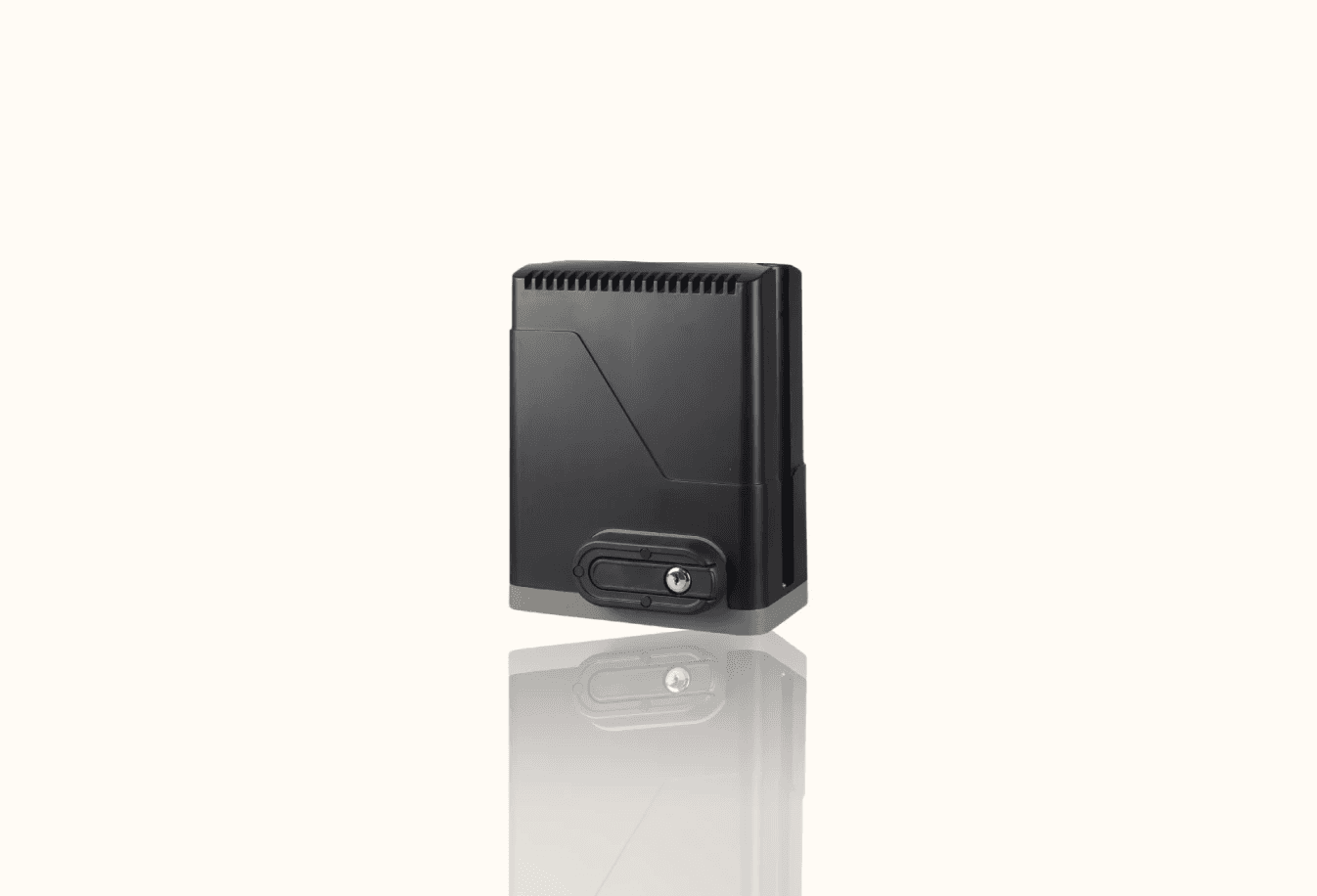
What Is a Sliding Gate Motor and How Does It Work?
A sliding gate motor is the powered drive unit that opens and closes a gate horizontally along a track. It works by transferring power from the motor to the gate through a gear and rack system, while the control board, limit settings, and safety devices manage movement, stopping points, and user access.
The Basic Function of a Sliding Gate Motor
At its core, the motor replaces manual force. Instead of physically pushing the gate open, the system drives the gate forward or backward in a controlled way. In most systems, the motor turns a gear that engages with a fixed rack attached to the gate. That movement creates the push-pull action needed to slide the gate.
This matters because automation is not just about convenience. A properly configured motor also improves consistency, reduces manual effort, and supports access control systems such as remotes, keypads, RFID readers, or smart entry integrations.
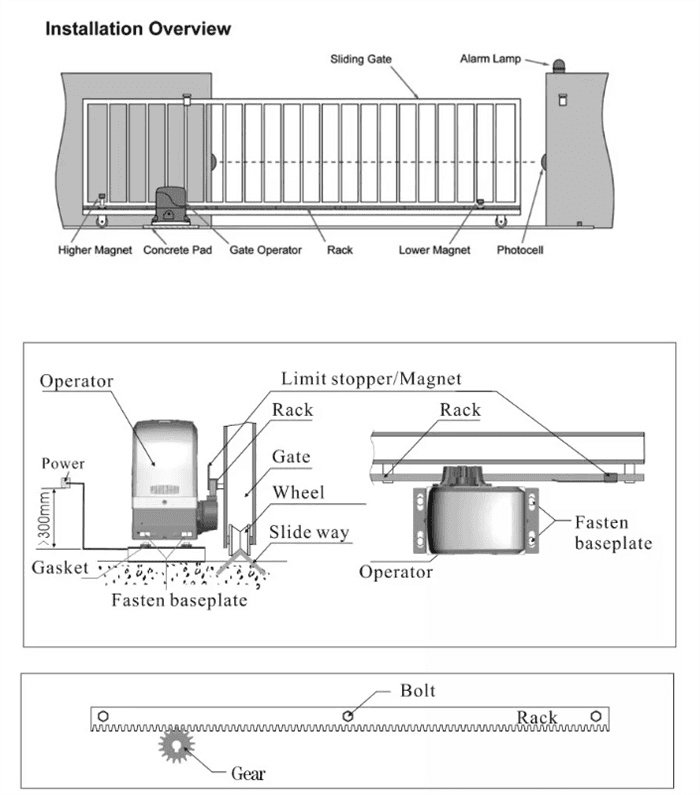
Main Components in an Automatic Sliding Gate System
A complete electric sliding gate system usually includes:
Motor unit: Provides the drive force
Gear rack: Transfers motor movement to the gate
Control board: Manages settings, commands, and safety logic
Limit switches: Define where the gate stops when fully open or closed
Remote or access control device: Sends open and close commands
Safety photocells or sensors: Detect obstacles and reduce collision risk
Manual release mechanism: Allows operation during power failure or servicing
A common buying mistake is to treat the motor as the whole system. In practice, reliability depends on how well these parts work together.
Where Sliding Gate Motors Are Commonly Used
Sliding gate motors are widely used in:
Residential driveways
Villas and private compounds
Apartment or community entrances
Warehouses and logistics sites
Commercial buildings
Industrial facilities with frequent traffic
The application matters because a light residential gate and a heavy commercial security gate place very different demands on the motor, duty cycle, and safety setup.
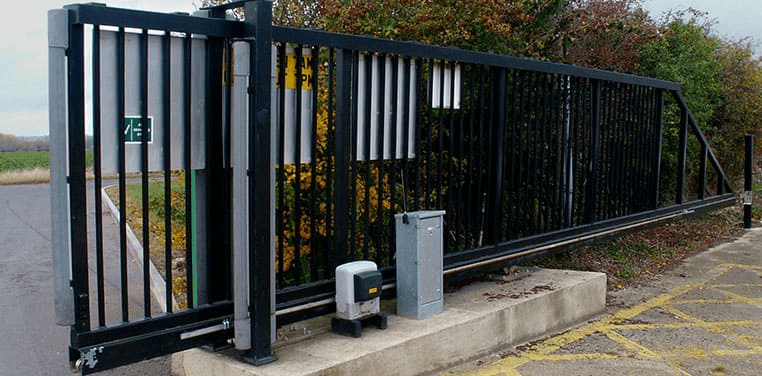
What Are the Main Types of Sliding Gate Motor?
The main types of sliding gate motor can be grouped by application, power supply, and duty level. In practical buying terms, the biggest distinctions are between residential and commercial models, AC and DC motors, and standard-duty versus heavy-duty systems.
Residential vs. Commercial Sliding Gate Motors
Residential sliding gate motors are designed for lighter gates and lower daily operating cycles. Commercial sliding gate motors are built for heavier loads, more frequent opening and closing, and higher durability under continuous use.
For a home driveway, quiet operation, smooth movement, compact design, and convenient access control often matter most. For a factory or commercial compound, duty cycle, motor protection, load tolerance, and consistent performance during frequent use are usually more important.
Best format here: comparison table
Type | Best For | Typical Strengths | Key Limitation |
|---|---|---|---|
Residential sliding gate motor | Homes, villas, light-use entrances | Quieter, more compact, often more affordable | Not ideal for very heavy gates or high daily cycles |
Commercial sliding gate motor | Shared entrances, businesses, industrial sites | Higher durability, better for frequent use, stronger load handling | Usually larger and more expensive |
AC vs. DC Sliding Gate Motors
AC sliding gate motors are often preferred where stable mains power and stronger continuous performance are priorities. DC systems are often chosen for smoother starts, quieter running, and easier battery backup integration.
In real-world use, the better choice depends less on abstract motor type and more on the installation environment. If backup power, soft start-stop movement, or low-noise residential use matters, DC may be attractive. If the site demands heavier-duty performance and dependable power availability, AC may be the better fit.
Heavy-Duty vs. Standard-Duty Gate Openers
A standard-duty sliding gate opener is generally suitable for common residential entrances or light commercial use. A heavy-duty system is more appropriate when the gate is large, the traffic volume is high, or operating conditions are demanding.
This distinction is critical because many failures do not come from product defects—they come from using a standard-duty motor where a heavy-duty model was needed.
How Long Does a Sliding Gate Motor Last?
A sliding gate motor can last for many years when it is properly sized, correctly installed, and regularly maintained. In practice, lifespan is affected less by the label on the motor and more by gate condition, duty cycle, environment, and maintenance discipline.
Typical Sliding Gate Motor Lifespan
Most buyers want a simple number, but service life is rarely universal. A residential motor running a balanced, lightweight gate a few times a day may last much longer than a motor installed on a poorly aligned heavy gate that operates constantly.
A useful way to think about lifespan is through conditions:
Longer lifespan is more likely when: the gate is properly balanced, the motor is not overloaded, the installation is accurate, and maintenance is consistent.
Shorter lifespan is more likely when: the motor is undersized, the gate drags or misaligns, exposure is severe, or safety and maintenance are neglected.
That is why buyers should be cautious about overly specific lifespan promises without installation context.
What Factors Affect Sliding Gate Motor Life?
Several factors directly influence motor longevity:
Gate weight and balance: A heavier or poorly moving gate creates more strain
Daily operating cycles: Frequent opening and closing increases wear
Motor quality: Better materials and protection systems generally improve durability
Weather exposure: Moisture, dust, heat, and cold all affect components differently
Installation precision: Rack alignment, limit settings, and mounting matter
Maintenance habits: Cleaning, inspection, and lubrication reduce unnecessary stress
From an SEO and buyer-intent perspective, the key point is clear: the best way to extend motor life is not only to buy a better motor, but to build a better-matched system.
Signs a Sliding Gate Motor May Need Repair or Replacement
Early warning signs often appear before complete failure. Common indicators include:
Slower opening or closing than normal
Unusual noise during operation
Jerky movement or inconsistent travel
Overheating after repeated use
Failure to stop at the correct position
Intermittent response to remotes or control commands
These symptoms do not always mean the motor itself is failing. Sometimes the cause is track friction, rack misalignment, wiring issues, or sensor faults. That is why diagnosis should consider the full automatic sliding gate motor system.
How Much Does Sliding Gate Motor Installation Cost?
Sliding gate motor installation cost varies according to equipment quality, gate size, site preparation, electrical work, safety accessories, and labor complexity. The total project cost is usually shaped as much by the gate and site conditions as by the motor itself.
What Is Included in the Total Installation Cost?
Buyers often compare only the motor price, but the installed system usually includes much more:
Motor and control unit
Gear rack and mounting hardware
Electrical wiring and power connection
Safety photocells or sensors
Remote controls or access device integration
Labor, testing, and commissioning
This distinction matters because a low equipment price can still lead to a high total project cost if the existing gate needs preparation or correction.
What Factors Increase or Reduce Installation Costs?
The biggest cost drivers usually include:
Gate size and weight: Larger gates typically need stronger systems and more setup care
Site condition: Uneven surfaces, poor drainage, or restricted access can raise labor needs
Distance to power supply: Longer cable runs may increase electrical work
Condition of the existing gate: A gate that sticks, leans, or rolls poorly may need repair first
Access control options: Keypads, intercoms, smart access, and backup power add complexity
Safety requirements: Some sites need more robust protection and control logic
A clean site with a well-built gate is usually far more cost-efficient to automate than a site where the structure needs correction first.
Hidden Costs Buyers Often Overlook
The most overlooked costs are usually not the motor—they are the supporting requirements around it. These often include:
Battery backup systems
Replacement remotes or additional transmitters
Routine maintenance visits
Spare parts over time
Repairs caused by poor original installation
Upgrades to safety devices or access control
A more accurate budget question is not “What does the motor cost?” but “What does a reliable sliding gate system cost over time?”
Which Sliding Gate Motor Is Best for Your Gate?
The best sliding gate motor is the one that matches your gate’s weight, length, daily usage frequency, site conditions, and power setup. A motor that is too small may still work initially, but it often leads to faster wear, reduced reliability, and higher long-term cost.
Choose Based on Gate Weight and Length
Motor sizing should begin with the physical gate itself. Buyers should verify:
Gate weight
Gate length
Track condition
Smoothness of movement
Required opening frequency
It is wise to leave a reasonable performance margin rather than choosing a motor at the absolute minimum rated capacity. This is especially important where the gate may face wind load, friction changes, or future heavier use.
Match the Motor to Daily Usage Frequency
A light-use residential driveway and a busy commercial entrance should not use the same selection logic. Daily operating cycles influence motor stress, heat generation, and wear.
A practical way to judge this is:
Light use: Private homes with occasional entry and exit
Medium use: Shared residential entrances or low-traffic commercial sites
High use: Warehouses, industrial sites, and business entrances with repeated operation
This is where many buyers misjudge value. A cheaper motor may look attractive upfront, but if the duty cycle is wrong, the total ownership cost can rise quickly.
Consider Climate, Site Conditions, and Power Availability
Environmental fit matters more than many buyers expect. Consider:
Exposure to rain, dust, or extreme temperatures
Corrosion risk in coastal or wet environments
Stability of electrical supply
Need for battery backup during outages
Available space for installation and servicing
A motor that performs well in one setting may not be ideal in another. Trustworthy selection always depends on actual site conditions, not just catalog claims.
Can You Install a Sliding Gate Motor on Any Gate?
No, not every sliding gate is automatically suitable for automation. A gate motor can only perform well when the gate structure, track alignment, movement quality, and installation space are already appropriate or can be upgraded to meet system requirements.
Gate Conditions Required for Successful Automation
Before installing a sliding gate opener, the gate should meet several basic conditions:
It should move smoothly by hand
The frame should be stable and structurally sound
The track and wheels should be in good condition
There should be enough space for the motor and rack setup
The stopping positions should be predictable and secure
This is an important trust point for readers: a motor cannot “fix” a bad gate. It can only automate a gate that already works properly or that has been corrected first.
When Existing Gates Need Modification Before Installation
Many retrofit projects require some level of preparation, such as:
Gate reinforcement
Track replacement or adjustment
Wheel servicing
Rack alignment correction
Electrical preparation
Mounting base construction
A pre-installation assessment is often the best way to avoid wasted cost later. It helps determine whether the project needs simple automation or broader gate rehabilitation.
What Are the Most Common Sliding Gate Motor Installation Mistakes?
The most common installation mistakes involve undersizing the motor, ignoring gate condition, neglecting safety accessories, and treating installation as a simple hardware swap rather than a full system setup. These issues reduce reliability, shorten motor life, and can create avoidable safety risks.
Choosing a Motor That Is Too Small
A motor that is technically capable of moving a gate is not always the right motor. If it operates near its limit too often, the result may be:
Overload stress
Faster component wear
Poor performance in adverse conditions
Reduced lifespan
More frequent service calls
This is one of the clearest cases where the “lowest price” option can become the highest long-term cost.
Ignoring Safety Accessories and Setup
Safety systems are not optional add-ons in any serious installation. Depending on the system, these may include:
Photocells
Obstacle detection features
Emergency manual release
Accurate limit settings
Controlled force adjustment
A system without proper safety logic may create operational risk for people, vehicles, and property.
Poor Installation and Lack of Maintenance
Even a high-quality motor can perform badly if the installation is careless. Common issues include:
Rack misalignment
Improper motor base positioning
Weak fastening
Incorrect limit configuration
No lubrication or inspection plan
Experience matters here. In many cases, the difference between a short-lived installation and a dependable one is not the brand—it is the quality of setup and follow-up care.
Conclusion
Choosing the right sliding gate motor is less about finding a generic “best model” and more about matching the system to the real conditions of your gate and property. The right decision depends on gate weight, operating frequency, site environment, electrical setup, and the condition of the existing gate structure.
For buyers, the smartest next step is to assess the gate before comparing products. Confirm how smoothly it moves, estimate how often it will operate, define whether the site is residential or commercial, and review whether safety accessories or access control features are needed. That approach leads to a better system fit, more reliable performance, and a more realistic view of installation cost over time.
Frequently Asked Questions About Sliding Motor
1.How much weight can a sliding gate motor handle?
It depends on the model, duty classification, and operating conditions. Buyers should always check the manufacturer’s rated gate capacity and recommended usage cycle rather than relying on a generic category label.
2.Is a sliding gate motor suitable for residential use?
Yes. Many sliding gate motors are designed specifically for homes and private driveways. Residential buyers usually prioritize smooth operation, low noise, reliable safety features, and easy access control.
3.Do sliding gate motors need regular maintenance?
Yes. Regular inspection, cleaning, lubrication where appropriate, and safety testing help maintain performance and reduce avoidable wear. Maintenance is especially important in dusty, wet, or high-use environments.
4.What is the difference between a sliding gate motor and a sliding gate opener?
The terms are often used interchangeably, but “sliding gate opener” sometimes refers to the full automation kit, while “sliding gate motor” may refer specifically to the drive unit inside that system.
5.Can I automate an old sliding gate?
Sometimes, yes—but only if the gate is structurally sound and moves smoothly, or can be repaired to do so. Older gates often need track, wheel, or frame work before automation is added.
6.Is the cheapest motor a good option for light use?
Not always. Even for light use, the motor still needs to match gate weight, track condition, and environment. A low-cost model may work in a suitable setup, but poor sizing or poor installation often costs more later.
Other Blogs