Blog
Why Commercial Roll-Up Doors Are Essential for Retail and Warehouse Security | CHINA-DEVELOP
Author
Ray
Published
Category
Roller Shutter Motor
Learn why commercial roll-up doors are essential for retail and warehouse security, how they protect assets, improve access control, and support safer business operations with CHINA-DEVELOP.


Author
Ray
An experienced automation specialist with a strong background in motor technology and industrial solutions. With years of expertise in central motors, tubular motors, and automation systems, the author is dedicated to sharing insights that connect engineering innovation with real-world applications. Passionate about advancing reliable, energy-efficient, and high-performance automation products for global markets.
What’s better than insider perks, pro tips, and surprises?
Sign up to get the most recent blog articles in your email every week.
Join now.
WHY I WRITE THIS
About my business
Our company’s main product lines include tubular motors, sliding gate motors, swing gate motors, roller shutter motors, and other door automation solutions, all manufactured by trusted partner factories we have worked with for many years.
Our Services
I help them with sales and export operations, while our company also provides sourcing and procurement services in China to help international clients solve supply-related challenges. If you need assistance with procurement, please feel free to contact us.
Introduction
Security is one of the most important priorities for any retail store, warehouse, factory, logistics center, or commercial facility. Whether a business stores high-value inventory, operates in a busy shopping area, manages daily goods movement, or protects equipment after working hours, the entrance system plays a direct role in overall safety.
This is why commercial roll-up doors have become a practical security solution for modern business environments. They are strong, space-saving, durable, and suitable for many types of openings, including storefronts, loading docks, storage areas, factory entrances, and warehouse access points.
Unlike ordinary doors, commercial roll-up doors are designed to roll vertically into a compact coil above the opening. This structure saves space while creating a strong physical barrier against unauthorized access, theft, weather exposure, and operational risks.
For retail and warehouse security, the right door is not only about closing an entrance. It is about protecting assets, improving access control, supporting daily workflow, and reducing long-term security concerns. For businesses looking to upgrade manual doors into automated systems, CHINA-DEVELOP provides motor and automation solutions that can help improve convenience, reliability, and commercial door performance.
What Are Commercial Roll-Up Doors?
Commercial roll-up doors are vertical-opening doors made with interlocking slats, panels, or curtains that roll upward around a drum or barrel above the doorway. They are widely used in commercial, industrial, and retail environments because they are compact, durable, and suitable for frequent operation.
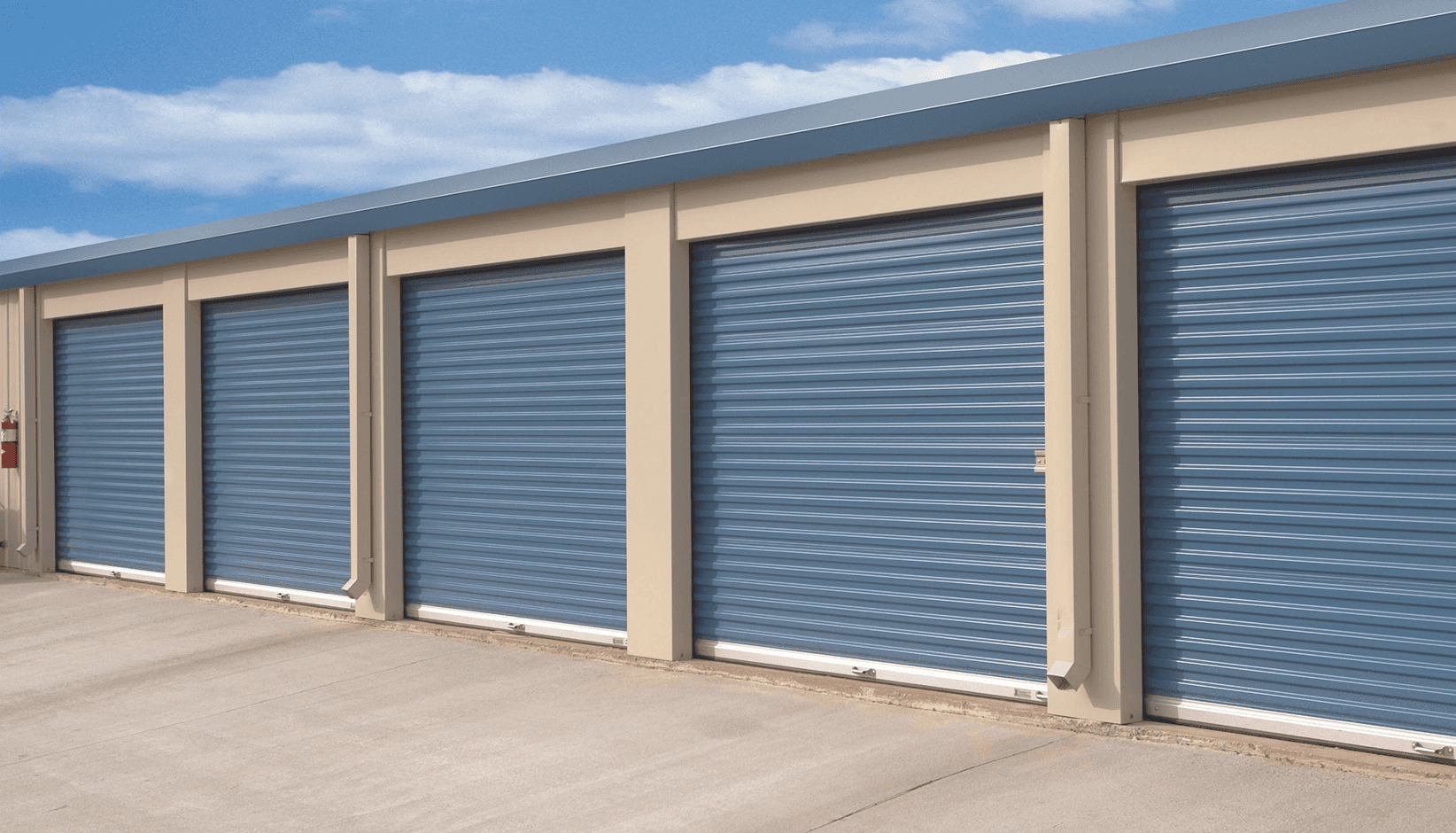
These doors are also commonly called:
Rolling shutter doors
Rolling steel doors
Commercial rolling doors
Roll-up security doors
Warehouse roller shutter doors
Industrial rolling shutter doors
Rolling service doors
Although the terms may vary by market, the basic purpose is similar: to provide secure, efficient, and space-saving access control for commercial buildings.
How Commercial Roll-Up Doors Work
A typical commercial roll-up door operates through a curtain system. The curtain is made of metal slats or a steel sheet that moves along side guides. When opened, the curtain rolls into a coil above the doorway. When closed, it forms a protective barrier across the entrance.
The main components usually include:
Door curtain: The main rolling surface that covers the opening.
Side guides: Vertical tracks that keep the curtain aligned.
Bottom bar: The lower edge that adds stability and sealing.
Spring or shaft system: Helps balance the door weight.
Manual chain or motor system: Controls door movement.
Roller shutter motor: Provides automatic opening and closing.
Emergency release system: Allows operation during power failure.
Control system: May include wall switch, remote control, keypad, or smart access device.
This structure makes roll-up doors highly suitable for commercial door security because the door uses a compact vertical movement while maintaining a strong protective surface.
Why Businesses Prefer Roll-Up Doors
Businesses choose commercial roll-up doors because they solve several problems at once. They protect building entrances, reduce space requirements, improve daily access, and support both manual and automated operation.
For warehouses, they help secure loading docks, storage rooms, and goods movement areas. For retail stores, they help protect storefronts from theft, vandalism, and after-hours risks. For factories, they support heavy-duty operation and help separate production zones, storage zones, and vehicle access areas.
Why Security Matters for Retail Stores and Warehouses
Retail stores and warehouses face different risks, but both depend heavily on secure entrances. A weak door can become the easiest point of access for theft, break-ins, vandalism, and unauthorized entry.
Commercial roll-up doors provide an effective first layer of protection because they create a visible and physical barrier at the most vulnerable points of a building.
Retail Security Risks
Retail stores often face security challenges after closing hours. Storefront glass, back doors, delivery entrances, and storage rooms can become vulnerable if not properly protected.
Common retail security risks include:
Break-ins after business hours
Vandalism on storefronts
Forced entry through weak doors
Theft of display products
Damage to glass windows or shopfronts
Unauthorized access through back entrances
Retail security shutters and shop front roller shutter doors are especially useful because they protect the storefront while allowing businesses to maintain a professional appearance during operating hours.
Warehouse Security Risks
Warehouses usually store larger volumes of inventory, equipment, raw materials, and packaged goods. Because warehouses often have multiple access points, security depends on strong control over doors, docks, and vehicle entrances.
Common warehouse risks include:
Inventory theft
Unauthorized employee or visitor access
Loading dock security gaps
Weak protection at large openings
Damage from vehicle movement
Exposure to weather and dust
Poor access control during busy operations
Warehouse roll-up doors help reduce these risks by securing large openings while still allowing fast movement of people, forklifts, trucks, and goods.
Why Doors Are a Critical Part of Commercial Property Security
A security system may include cameras, alarms, lights, and access control devices. However, the door remains the physical barrier that determines whether an intruder can actually enter the building.
A strong commercial roll-up door supports the entire security system by:
Delaying forced entry
Reducing visible access points
Protecting inventory and equipment
Supporting controlled entry and exit
Helping separate public and restricted areas
Creating a professional security appearance
In other words, commercial door security is not only about hardware. It is part of the full facility security strategy.
How Commercial Roll-Up Doors Improve Business Security
Commercial roll-up doors improve security by combining strength, access control, durability, and operational convenience. For retail and warehouse applications, these advantages directly affect asset protection and daily risk management.
Strong Physical Protection Against Unauthorized Access
One of the main reasons businesses install roll-up security doors is to create a stronger barrier than standard swing doors or light-duty panels. Steel roll-up doors and metal roll-up doors are especially useful in commercial environments where forced entry is a concern.
A durable steel curtain, reinforced side guides, and a stable bottom bar can make it much harder for unauthorized individuals to access the building. While no door can guarantee complete protection against every threat, a properly selected high-security roll-up door can significantly improve the first line of defense.
Better Theft Prevention and Inventory Protection
Warehouses and retail stores often contain valuable products, tools, machinery, or customer goods. If an entrance is weak, the entire inventory becomes more vulnerable.
Commercial roll-up doors support theft prevention by:
Securing large openings after working hours
Protecting loading docks and delivery zones
Reducing access to stockrooms and storage areas
Supporting controlled entry for staff and vehicles
Creating a visible security barrier
For warehouse security doors, the goal is not only to protect one entrance but also to reduce risk across the entire goods movement process.
Improved Storefront Protection
For retail businesses, storefront protection is especially important. Many stores have glass windows or open display areas that may be attractive targets for theft or vandalism. Retail security shutters and storefront security doors help protect these areas when the store is closed.
Depending on the business type, a retail store may choose:
Solid steel roll-up doors for maximum privacy and protection
Perforated shutters for partial visibility
Security grilles for retail stores that want visibility after hours
Motorized roll-up doors for convenient daily use
This flexibility makes roll-up doors suitable for shopping centers, street shops, restaurants, pharmacies, convenience stores, and showrooms.
Better Control Over Warehouse Access Points
Large warehouses often have multiple doors for trucks, forklifts, staff, emergency exits, and goods handling. Without a clear access control strategy, it becomes difficult to monitor who enters and exits the facility.
Warehouse roll-up doors help businesses control access by dividing areas into secure zones. For example, a warehouse may use different doors for receiving, dispatching, storage, and restricted goods areas.
When combined with motorized operation, remote control, and access devices, automatic roll-up doors can make warehouse movement more organized and secure.
Benefits of Commercial Roll-Up Doors for Retail and Warehouse Operations
Security is the main topic, but commercial roll-up doors also offer many operational advantages. A door that improves safety while also saving space and supporting daily workflow can bring long-term value to the business.
Key Benefits at a Glance
Benefit | Retail Application | Warehouse Application |
|---|---|---|
Security protection | Protects storefronts after hours | Secures loading docks and storage areas |
Space-saving design | Does not swing into customer areas | Saves room near forklifts and vehicles |
Durability | Resists daily opening and closing | Supports high-traffic operation |
Access control | Limits entry to staff areas | Controls goods movement zones |
Automation | Convenient opening for shop staff | Faster operation for logistics flow |
Weather protection | Helps protect storefront openings | Reduces dust, wind, and exposure |
Professional appearance | Improves storefront security image | Supports organized facility management |
Space-Saving Commercial Door Design
Traditional swing doors require clearance space. Sliding doors need side space. Commercial roll-up doors solve this problem by moving vertically and rolling into a compact coil above the opening.
This makes them especially useful for:
Narrow storefronts
Busy warehouse aisles
Loading dock areas
Commercial garage entrances
Factories with limited side space
Storage rooms with frequent access
Space-saving commercial doors are valuable because they protect the entrance without interfering with daily operations.
Durability for High-Traffic Entrances
Retail stores may open and close shutters every day. Warehouses may operate doors many times per shift. In both cases, durability matters.
Durable commercial doors should be selected based on:
Opening size
Usage frequency
Door weight
Material thickness
Wind exposure
Motor capacity
Maintenance requirements
Safety devices
A high-traffic warehouse entrance may require stronger guides, heavier-duty materials, and a motorized system designed for frequent operation.
Support for Automation and Convenience
Manual chain operation can be suitable for some small doors, but many commercial buildings benefit from motorized roll-up doors. Automation improves convenience, especially when doors are large, heavy, or frequently used.
Motorized operation can support:
Remote control operation
Wall switch control
Key switch access
Automatic closing settings
Integration with access control systems
Safer handling of heavy commercial doors
For CHINA-DEVELOP, this is an important area of relevance. Businesses that already use rolling shutter doors can often improve usability and operational efficiency by upgrading to suitable motors and control systems.
Types of Commercial Roll-Up Doors for Security
Not all roll-up doors are the same. Different business environments require different door types. The best roll-up doors for retail store security may not be the same as the best roll-up doors for warehouse loading docks.
Rolling Steel Doors
Rolling steel doors are among the most common options for commercial and industrial security. They are usually made with interlocking steel slats and are suitable for strong physical protection.
They are commonly used for:
Warehouses
Factories
Storage buildings
Commercial garages
Industrial entrances
Loading dock areas
Steel roll-up doors for commercial buildings are popular because they offer strength, durability, and long-term security performance.
Retail Security Shutters
Retail security shutters are designed for storefronts, shopping malls, restaurants, kiosks, and street-facing businesses. They protect the business after hours while maintaining a clean appearance.
Retail stores may choose solid shutters, perforated shutters, or grille-style shutters depending on visibility needs.
Solid shutters offer more privacy and protection. Perforated shutters and security grilles for retail stores allow some visibility into the shop, which may be useful for product display, lighting, or mall requirements.
Industrial Rolling Shutter Doors
Industrial rolling shutter doors are designed for factories, workshops, manufacturing facilities, and logistics centers. These doors usually need to handle larger openings, heavier operation, and more demanding environments.
Important features may include:
Stronger curtain materials
Heavy-duty side guides
Larger motor capacity
Wind resistance
Corrosion resistance
Safety sensors
Emergency release functions
Heavy-duty roll-up doors for factories and warehouses should be selected carefully because underpowered systems can lead to premature wear, safety risks, and higher maintenance costs.
Insulated Roll-Up Doors
Insulated roll-up doors are useful when the facility needs better temperature control, sound reduction, or energy efficiency. They are often used in warehouses, cold storage areas, workshops, and commercial buildings where indoor conditions matter.
While insulation may not be necessary for every application, it can be valuable when a warehouse stores temperature-sensitive goods or when the door separates indoor and outdoor environments.
Manual vs Motorized Commercial Roll-Up Doors
One important buying decision is whether to use manual or motorized operation. Both options can work, but the right choice depends on door size, usage frequency, security needs, and budget.
Manual Commercial Roll-Up Doors
Manual doors are usually operated with a chain, crank, or hand lift system. They can be suitable for smaller doors or low-frequency use.
Manual operation may be appropriate when:
The opening is small
The door is lightweight
Usage frequency is low
Budget is limited
Power supply is not available
However, manual operation can become inconvenient when the door is large, heavy, or opened frequently.
Motorized Commercial Roll-Up Doors
Motorized roll-up doors use a roller shutter motor or commercial door motor to open and close automatically. This improves convenience and can help support better security management.
Motorized roll-up doors for commercial security are especially useful when:
The door is large or heavy
Staff need faster access
The entrance is used many times per day
The business wants remote control operation
The facility needs better access control
The door is part of a warehouse automation system
For warehouses, automatic roll-up doors can improve workflow by reducing waiting time at loading areas. For retail stores, motorized shutters make daily opening and closing easier for staff.
How to Choose Between Manual and Motorized Operation
A simple decision process can help buyers choose the right option:
Measure the door opening size. Larger doors usually benefit from motorized operation.
Estimate daily usage frequency. High-use doors should be designed for repeated operation.
Evaluate the door weight. Heavy steel doors often require suitable motor support.
Check the security requirement. Controlled operation may improve access management.
Review available power supply. Motorized doors require proper electrical planning.
Consider staff convenience and safety. Automation reduces manual handling.
Plan future maintenance. Choose a system that is easy to inspect and service.
For businesses planning long-term use, motorized commercial roll-up doors often provide better convenience and operational efficiency.
Key Features to Check Before Buying Commercial Roll-Up Doors
Choosing commercial roll-up doors requires more than comparing price. The door must match the building, security risk, operation frequency, and installation environment.
Door Material and Curtain Strength
The curtain is the main protective surface of the door. Buyers should evaluate material strength, slat design, thickness, and surface treatment.
Common material considerations include:
Galvanized steel slats for durability
Aluminum slats for lighter applications
Reinforced steel structure for high-security areas
Corrosion-resistant coating for outdoor exposure
Perforated or grille design for retail visibility
For warehouse security doors, strength and durability are usually more important than appearance. For retail security shutters, both security and storefront design matter.
Motor Capacity and Automation Compatibility
If the door is motorized, the motor must match the door size, weight, and usage frequency. An underpowered motor can cause slow operation, overheating, frequent failure, or safety concerns.
Buyers should check:
Door weight compatibility
Rated lifting capacity
Operation frequency
Control method
Emergency release function
Limit switch accuracy
Safety sensor compatibility
Installation space
CHINA-DEVELOP can support businesses and door system suppliers by providing automation solutions for rolling shutter and commercial door applications.
Safety Features
Commercial roll-up door safety features are essential, especially in warehouses where forklifts, workers, and vehicles move near the door.
Important safety features may include:
Emergency release system
Obstacle detection
Safety edge
Photocell sensor
Reliable braking system
Manual override
Clear warning labels
Routine inspection plan
Safety should never be treated as an optional extra. A secure door must also be safe for daily operation.
Installation Requirements
Before ordering commercial roll-up doors, buyers should confirm installation conditions. A good door system depends on accurate measurements and proper structural support.
Important installation details include:
Door opening width and height
Headroom above the opening
Side room for guides
Wall strength
Power supply location
Indoor or outdoor installation
Wind exposure
Drainage and floor level
Local building and fire safety requirements
For special applications such as fire-rated doors, insulated rolling doors, or high-wind areas, buyers should confirm project-specific requirements before procurement.
Common Mistakes When Choosing Roll-Up Security Doors
Many businesses focus only on cost when selecting commercial roll-up doors. This can lead to poor performance, frequent maintenance, or insufficient security.
Choosing the Wrong Door Type
A retail storefront and a warehouse loading dock do not have the same requirements. A light retail shutter may not be suitable for a high-traffic industrial entrance. Similarly, a heavy industrial door may be unnecessary for a small shopfront.
The door should match the application, not just the budget.
Ignoring Motor Requirements
For motorized roll-up doors, the motor is one of the most important parts of the system. Choosing the wrong motor can reduce performance and increase maintenance problems.
Buyers should avoid selecting motors based only on price. Instead, they should consider door weight, opening size, duty cycle, control requirements, and installation environment.
Overlooking Maintenance Needs
Even durable commercial doors need regular maintenance. Dust, misalignment, worn parts, and damaged guides can affect operation over time.
A basic maintenance plan should include:
Checking door movement
Inspecting side guides
Testing motor operation
Cleaning tracks and visible components
Checking safety devices
Listening for unusual noise
Confirming emergency release function
Good maintenance helps extend service life and keeps the door reliable.
Forgetting About Access Control
A strong door is useful, but access control is also important. Businesses should decide who can open the door, when it can be opened, and how operation is monitored.
For warehouses, this may involve staff access levels, loading schedules, and restricted areas. For retail stores, it may involve store managers, opening procedures, and after-hours security.
How to Choose Commercial Roll-Up Doors for a Warehouse or Retail Store
The best commercial roll-up door is the one that fits the building’s real security risk and daily operation. Before buying, businesses should evaluate the door as part of a complete security and access system.
Selection Guide by Application
Application | Recommended Door Type | Key Priority |
Retail storefront | Retail security shutter or grille | Storefront protection and appearance |
Warehouse loading dock | Heavy-duty warehouse roll-up door | Durability and access control |
Factory entrance | Industrial rolling shutter door | Strength and frequent operation |
Storage room | Steel roll-up door | Inventory protection |
Commercial garage | Commercial garage roll-up door | Vehicle access and security |
High-value inventory area | High-security roll-up door | Theft prevention |
Temperature-sensitive warehouse | Insulated roll-up door | Energy efficiency and protection |
Buying Checklist for Business Owners
Before choosing a roll-up door system, review these points:
What is the main purpose: security, access, insulation, or visibility?
Is the door for retail, warehouse, factory, or loading dock use?
How many times will the door operate each day?
What is the opening size?
Will the door be manual or motorized?
What level of theft prevention is needed?
Is wind resistance or corrosion resistance important?
Are safety sensors required?
Does the project require special fire or building compliance?
Is future maintenance easy and affordable?
This checklist helps buyers avoid mismatched products and choose a door system that performs reliably over time.
Where CHINA-DEVELOP Fits in Commercial Door Automation
CHINA-DEVELOP focuses on motor and automation solutions for rolling shutter door systems. For businesses, contractors, and door manufacturers, reliable automation can improve the performance of commercial roll-up doors by making operation faster, safer, and more convenient.
CHINA-DEVELOP solutions may support applications such as:
Tubular motors
Commercial door motor systems
Automatic rolling shutter systems
Remote control operation
Motorized storefront shutters
Motorized warehouse doors
For B2B buyers, automation is not just a convenience feature. It can improve security procedures, reduce manual labor, and support more consistent daily operation.
FAQ About Commercial Roll-Up Doors for Retail and Warehouse Security
Are commercial roll-up doors good for security?
Yes. Commercial roll-up doors are commonly used for security because they create a strong physical barrier at storefronts, warehouses, loading docks, and commercial entrances. Steel roll-up doors and roll-up security doors are especially suitable for businesses that need stronger protection against unauthorized access.
What type of roll-up door is best for warehouses?
For warehouses, heavy-duty warehouse roll-up doors or rolling steel doors are often preferred. The best option depends on the opening size, usage frequency, wind exposure, door weight, and whether the door needs insulation or motorized operation.
Can roll-up doors be used for retail stores?
Yes. Retail roll-up doors, retail security shutters, and storefront security doors are widely used to protect shops, restaurants, showrooms, and mall stores after business hours. Businesses can choose solid shutters, perforated shutters, or security grilles depending on visibility and design needs.
Are steel roll-up doors better than aluminum roll-up doors?
Steel roll-up doors usually provide stronger physical protection and are suitable for warehouses, factories, and high-security applications. Aluminum roll-up doors are lighter and may be suitable for some retail or low-duty applications. The right choice depends on security level, door size, and operating environment.
Should commercial roll-up doors be manual or motorized?
Manual doors may work for small or low-use openings. Motorized roll-up doors are better for larger, heavier, or frequently used doors. For commercial security, motorized operation can improve convenience, access control, and daily efficiency.
How do roll-up doors improve warehouse security?
Roll-up doors improve warehouse security by protecting loading docks, controlling access points, reducing unauthorized entry, and helping secure inventory. When combined with motorized operation and access control, they can support a more organized facility security system.
What safety features should commercial roll-up doors include?
Important safety features may include emergency release, obstacle detection, safety edge, photocell sensors, reliable braking, manual override, and regular maintenance procedures. Safety requirements should always match the door size and usage environment.
What is the difference between rolling steel doors and security shutters?
Rolling steel doors are usually heavier-duty doors used in commercial and industrial environments. Security shutters may refer to lighter or storefront-focused rolling systems used for retail protection. However, terminology varies by market, so buyers should compare materials, structure, and application rather than relying only on the name.
How often should commercial roll-up doors be maintained?
Maintenance frequency depends on usage. High-traffic warehouse doors should be inspected more often than low-use storage doors. Businesses should regularly check guides, curtain movement, motor function, safety devices, and emergency release systems.
Can commercial roll-up doors be customized?
Yes. Commercial roll-up doors can often be customized by size, material, curtain design, operation method, color, motor system, control method, and security requirements. B2B buyers should provide project details before ordering to ensure the right solution.
Conclusion
Commercial roll-up doors are essential for retail and warehouse security because they combine physical protection, space-saving design, durability, and access control. For retail stores, they protect storefronts, reduce vandalism risk, and secure business assets after hours. For warehouses, they help protect inventory, loading docks, storage areas, and high-traffic entrances.
The best commercial roll-up doors are not chosen by price alone. Buyers should consider door material, opening size, usage frequency, motor compatibility, safety features, installation conditions, and long-term maintenance. For many modern businesses, motorized roll-up doors provide an important upgrade by improving convenience, security management, and operational efficiency.
As commercial buildings continue to require better security and smoother daily operation, automatic roll-up doors and rolling shutter motor systems will remain an important part of retail, warehouse, and industrial facility design.
CTA Closing
Looking for reliable automation solutions for commercial roll-up doors, rolling shutter doors, or warehouse security door systems? CHINA-DEVELOP provides motor and control solutions designed for practical commercial and industrial applications. Contact CHINA-DEVELOP to discuss your project requirements, door size, operation needs, and automation options.
Other Blogs