Blog
The Complete Guide about Smart Door & Gate Automation in 2026
Author
Ray
Published
Category
Guide
Explore our complete 2026 guide to automatic door openers. Compare smart garage door openers, commercial sliding door operators, costs, installation, and ADA compliance. Upgrade your entry today.

Author
Ray
An experienced automation specialist with a strong background in motor technology and industrial solutions. With years of expertise in central motors, tubular motors, and automation systems, the author is dedicated to sharing insights that connect engineering innovation with real-world applications. Passionate about advancing reliable, energy-efficient, and high-performance automation products for global markets.
What’s better than insider perks, pro tips, and surprises?
Sign up to get the most recent blog articles in your email every week.
Join now.
WHY I WRITE THIS
About my business
Our company’s main product lines include tubular motors, sliding gate motors, swing gate motors, roller shutter motors, and other door automation solutions, all manufactured by trusted partner factories we have worked with for many years.
Our Services
I help them with sales and export operations, while our company also provides sourcing and procurement services in China to help international clients solve supply-related challenges. If you need assistance with procurement, please feel free to contact us.
Thinking about upgrading your home or business in 2025? There has never been a better time to consider automatic door opener solutions for your garage, storefront, or industrial facility. With rising demand for touchless access, enhanced security, and energy efficiency, modern automatic door openers offer a smart solution that blends convenience, safety, and style.
This expert guide walks you through the latest types, smart automation features, installation steps, and cost considerations for automatic sliding door openers, smart garage door openers, and commercial door operators available for U.S. properties. Discover how to boost property value, save on energy costs, and create ADA‑compliant, barrier‑free access for everyone. Ready to make an informed decision? Start your 2025 project here.
Understanding Automatic Door Openers: Types, Technologies & Benefits
Automatic door opener solutions have become essential in modern U.S. homes and businesses, providing a blend of security, convenience, and design. Whether you are building new, renovating, or simply looking to upgrade, understanding the fundamentals of an automatic door opener is the first step to making an informed choice.
What Are Automatic Door Openers?
An automatic door opener is an electromechanical system that powers a door—sliding, swinging, sectional, or rolling—to open and close automatically upon sensor activation or user command. Unlike manual doors, these systems use motors, microprocessor control boards, and safety sensors to deliver touchless, reliable operation. For homes, the most common type is the automatic garage door opener; for businesses, commercial automatic sliding doors and low‑energy swing door operators are widely adopted.
Common installation locations include residential garages, front porches, retail storefronts, hospital entrances, warehouses, and accessible interior doors. To explore the full range of options available for U.S. properties, see our Automatic Door Opener Collection.
Types of Automatic Door Openers in 2026
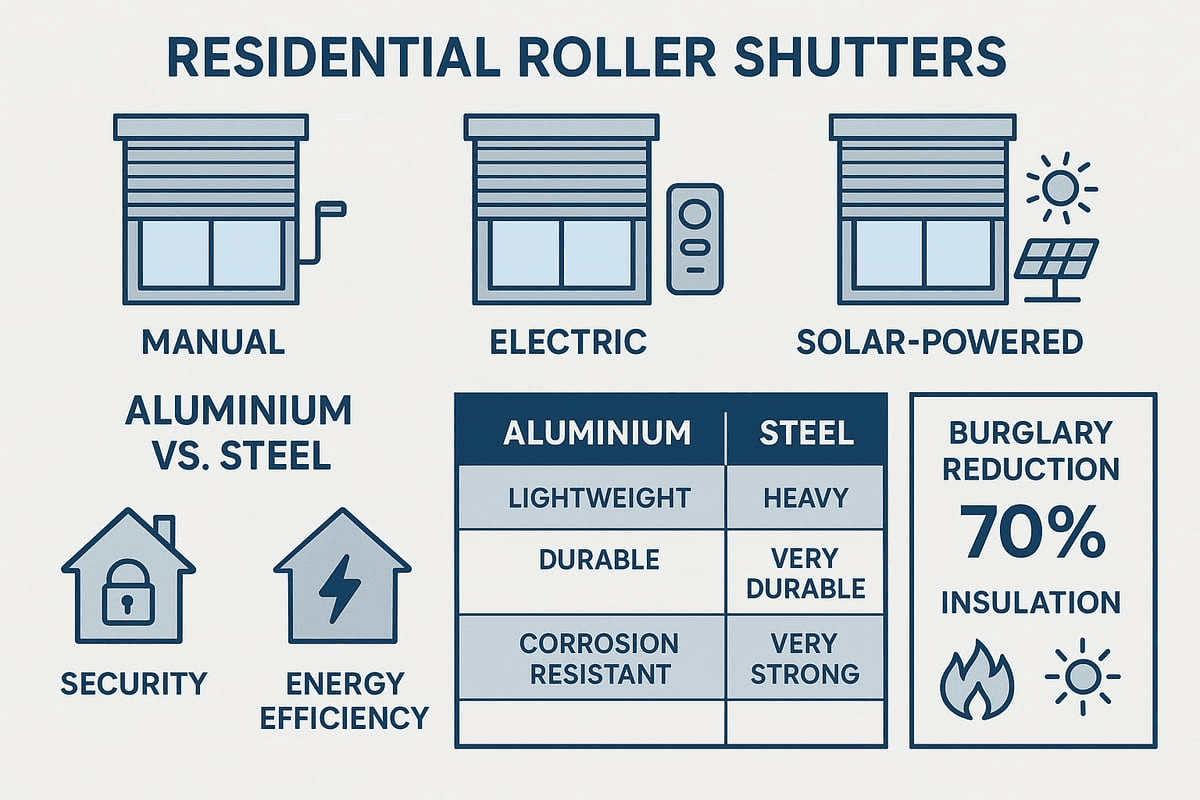
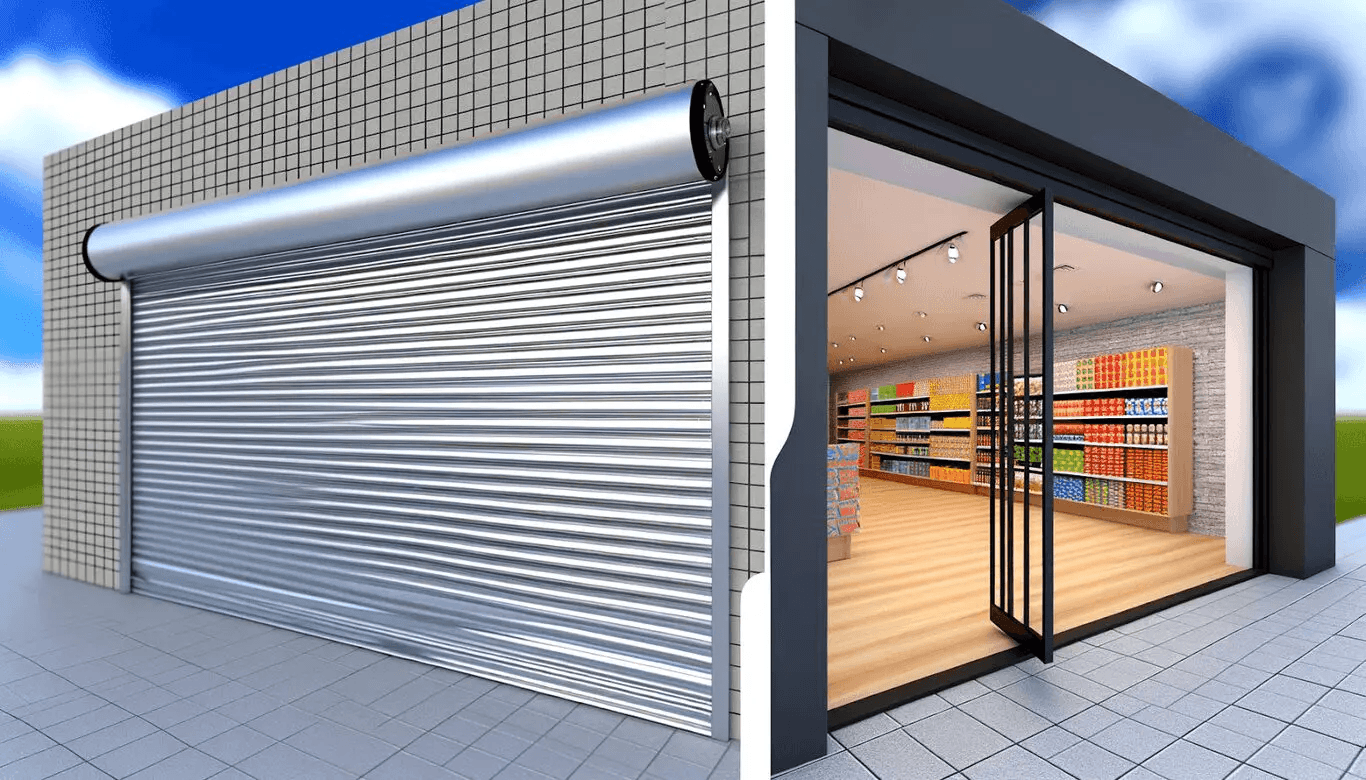
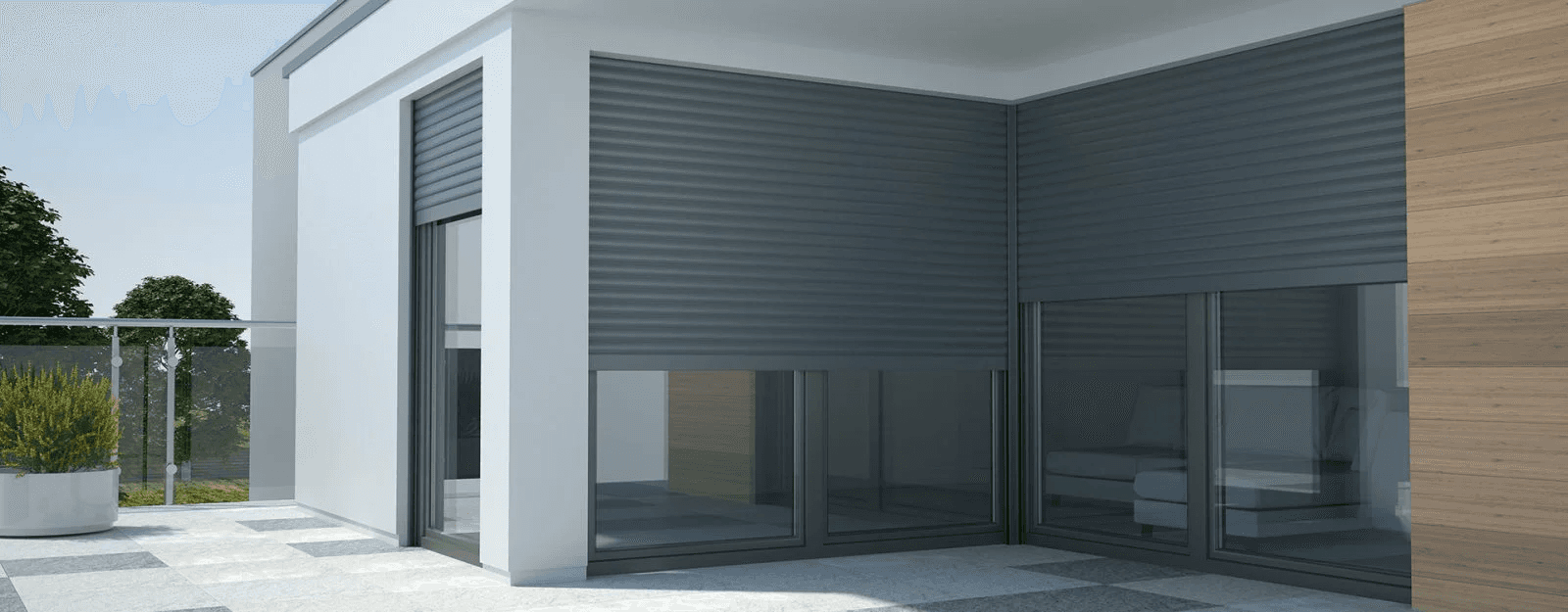
In 2026, you can select from a diverse array of automatic door opener types to meet your unique needs. Sectional garage door openers offer proven performance for residential garages, available in belt‑drive or chain‑drive configurations. Automatic sliding door openers provide seamless, hands‑free entry for commercial glass doors, while roll‑up door motors power industrial rolling steel doors and residential rolling shutters. Swing door operators deliver ADA‑compliant access in public buildings, and smart universal retrofit kits bring Wi‑Fi control to existing manual sliding doors or gates.
Specialized automatic door opener designs are available, such as high‑cycle operators for 24/7 environments, explosion‑proof units for hazardous locations, and ultra‑quiet belt‑drive models for attached garages.
Materials & Motor Technologies
Selecting the right motor technology is crucial for long‑lasting automatic door opener performance. The most popular technologies are belt drive, chain drive, DC brushless, and AC motors, each offering distinct benefits:
Motor Technology | Durability | Noise Level | Cost | Maintenance |
|---|---|---|---|---|
Belt Drive (DC) | High | Ultra‑quiet | Medium‑High | Low |
Chain Drive (AC) | Very High | Moderate | Low | Medium |
Brushless DC Motor | Excellent | Whisper‑quiet | Higher | Very Low |
AC Motor | Good | Audible | Lower | Medium |
Belt drive and brushless DC motors are lightweight, quiet, and ideal for attached garages, while chain drive AC motors provide maximum strength for heavy or commercial doors. Wi‑Fi enabled control boards and battery backup units can be integrated across all types. For a unique setup, custom mounting brackets and control logic options are also available, allowing personalization to suit any architectural style.
Key Benefits for Homeowners & Businesses
An automatic door opener delivers a broad spectrum of benefits:
Touchless hygiene & accessibility: Meets ADA Standards for Accessible Design and reduces touchpoints, a proven advantage in healthcare and retail.
Enhanced security: According to FBI crime statistics, visible automated security features, including rolling code remotes and automatic deadbolt locks, significantly lower burglary risk.
Energy efficiency: Quality automatic door closers can reduce HVAC loss by up to 30% by ensuring doors are never left open, lowering heating and cooling costs.
Noise reduction: Belt‑drive and DC motors dampen noise, creating a peaceful indoor environment.
Convenience: Smartphone control, voice assistant integration, and scheduled operation simplify daily routines.
Storm & weather protection: Many automatic door opener assemblies are designed to meet Miami‑Dade windload requirements, providing critical protection during hurricane season.
Common Misconceptions & Buyer Mistakes
When choosing an automatic door opener, some misconceptions can lead to costly mistakes. Common myths include believing that automated doors need frequent maintenance or that all openers are suitable for hurricane zones without checking their wind‑load rating.
Buyers often overlook the importance of complying with UL 325 safety standards and ANSI/BHMA commercial door requirements, which can affect insurance and liability. Underestimating the complexity of installing a commercial sliding door operator, especially regarding sensor alignment and force settings, is another frequent error. Always consult with certified installers and choose UL‑listed automatic door openers to ensure your system meets all regulatory and performance standards.
How to Choose the Right Automatic Door Opener for Your Property
Selecting the ideal automatic door opener involves more than just picking a brand. It’s about balancing security, climate needs, traffic volume, and technological expectations for your home or business. This section guides you step by step, so you can confidently match the right solution to your property.
Assessing Your Needs & Property Requirements
Begin by evaluating what you want from your automatic door opener. Consider your security requirements, especially if your area has a history of property crime. Think about climate factors—whether you need a battery backup garage door opener for frequent storms, or a high‑force motor for heavy, insulated doors in northern states.
For commercial spaces, traffic frequency is key. A busy retail entrance demands a heavy‑duty automatic sliding door opener rated for high cycles, while a quiet office may only need a low‑energy operator. Also verify accessibility needs; if the door serves the public, it must be ADA compliant. Measure all openings, including width, height, and door weight, to ensure a perfect fit. For a detailed comparison of available operator types, visit our Domestic & Commercial Door Operator Overview.
Comparing Features and Innovations for 2026
The latest automatic door opener options bring advanced features that go beyond simple remote controls. Smart home integration is a standout, letting you control doors with MyQ, Aladdin Connect, or direct Alexa and Google Home voice commands. Battery backup and solar‑compatible openers add resilience during power outages.
Safety is paramount—look for photo eye safety sensors, auto‑reverse mechanisms, and manual release capabilities, all complying with UL 325 entrapment protection requirements. For commercial sliding doors, presence sensors and push plate activation ensure safe, compliant operation. Compare cycle ratings, noise levels (measured in dB), and wind‑load certifications across models to future‑proof your investment.
Energy Efficiency & Insulation Ratings
Energy performance is a key factor when selecting an automatic door opener. Look for standby power consumption data and compatibility with ENERGY STAR certified insulated garage doors. Operators with timed automatic close features prevent energy loss when a door is accidentally left open, helping cut heating and cooling bills.
For commercial sliding doors, power‑assist operators and fast‑closing cycles reduce air exchange, directly improving a building’s thermal envelope. By investing in a well‑matched opener, you align with initiatives like California Title 20 appliance efficiency standards and may contribute to LEED credits.
Storm, Security & Safety Compliance
U.S. code requires that automatic door openers meet stringent safety standards. UL 325 mandates secondary entrapment protection (e.g., photoelectric sensors or door edge sensors) for all residential and commercial door operators. For public entrances, compliance with ANSI/BHMA A156.10 (full‑energy sliding doors) or A156.19 (low‑energy doors) is essential.
If your property lies in a hurricane‑prone region, verify that your door‑opener assembly holds a valid Florida Building Code approval or Miami‑Dade NOA. Many insurers offer premium discounts if you install wind‑load rated automatic doors with reinforced tracks and locking mechanisms. Always verify certification for peace of mind and insurance eligibility.
Budgeting & Cost Considerations
Budget plays a significant role in selecting your automatic door opener. Chain‑drive openers are typically the most affordable upfront, while belt‑drive DC smart openers come at a higher cost but deliver silence and connectivity. For businesses, a commercial automatic sliding door operator represents a larger capital outlay that pays back through improved flow and energy savings. Factor in customization such as rail length, color, and smart control packages.
Installation costs add $150–$3,000+ depending on complexity, with commercial retrofits requiring electrical work and structural reinforcement. Consider typical ROI, with many homeowners recouping costs through lower energy bills and insurance discounts, and businesses benefiting from reduced liability and enhanced customer experience. Request multiple detailed quotes and compare warranties.
Step‑by‑Step Automatic Door Opener Installation Process
Installing an automatic door opener is a project that rewards careful planning and attention to detail. Whether you are upgrading your garage with a smart garage door opener or retrofitting a commercial storefront with automatic sliding doors, understanding each stage will help you achieve a safe, code‑compliant result.
Pre‑Installation Preparation
Proper preparation is the cornerstone of a successful automatic door opener installation. Begin with a thorough site inspection. Measure the door width, height, weight, and headroom accurately. Even small errors can cause binding or sensor misalignment.
Check local building codes and ADA path‑of‑travel requirements, especially for commercial projects. Most commercial installations require a permit. Verify electrical supply—a dedicated circuit is often recommended. Next, decide whether you will hire a licensed professional. DIY installation on a residential garage door opener is common, but commercial sliding door operators always demand certified technicians due to complexity and code liability.
Finally, clear the area and ensure safe access to ladders, tools, and the power source.
Selecting and Ordering Your Openers
With measurements and code checks complete, you are ready to select and order your automatic door opener. Choose a supplier with a solid reputation, UL‑listed products, clear warranty terms, and strong after‑sales support. Lead times can vary, so confirm delivery windows.
Customization options include drive type, rail color, activation sensors (push plates, motion sensors, remote controls), and integration modules. When placing your order, double‑check all specifications and compatibility with your door. Ask about warranty coverage for motor, parts, and safety sensors.
Installation Steps Explained
Once your automatic door opener arrives, inspect all components. Unbox carefully and cross‑check parts. Begin by mounting the header bracket and motor unit (for garage doors) or header operator track (for sliding doors), ensuring it is level and securely fastened.
Next, attach the drive assembly—belt or chain to the door arm, or the sliding door carrier to the belt. Mount the photo eye safety sensors on both sides of the opening, no higher than 6 inches from the floor per UL 325. For electric operators, a licensed electrician must connect the power supply, control board, and activation devices. This is essential for safety and code compliance.
After assembly, program the open and close travel limits and force settings according to the manufacturer’s instructions. Test the auto‑reverse function with a solid object, check sensor alignment, and confirm all remotes and wall consoles work. Install finishing trims and weatherproofing.
Here is a summary of key installation steps:
Step | Key Actions |
|---|---|
Unboxing & inventory | Check all parts, brackets, manuals |
Mount head bracket & motor | Level, secure to framing |
Install drive & door arm | Attach belt/chain, connect to door |
Safety sensors | Mount photo eyes, wire, align |
Electrical connection | Licensed electrician connects power & controls |
Programming | Set limits, force, and learn routines |
Safety testing | Obstruct door, verify auto‑reverse |
Finishing | Apply trim, weather seals, register warranty |
For detailed safety guidelines, refer to UL 325 Standard for Door, Drapery, Gate, and Window Operators.
Post‑Installation Checklist
Once your automatic door opener is installed, run a final check. Open and close the door several times, listening for unusual noises and ensuring the locking mechanism engages. Complete the entrapment test using a 2x4 laid flat to verify immediate reversal.
For commercial installations, complete required compliance documentation and display ADA decals. Register your product warranty with the manufacturer. This step is crucial for long‑term support and protection.
Common Installation Mistakes & How to Avoid Them
Avoiding common errors saves time, money, and potential injury. Watch for these pitfalls:
Skipping the photo eye alignment – misaligned sensors cause false reversals.
Setting force limits too high – creates an entrapment hazard and strains components.
DIY electrical work on commercial operators – violates code and voids warranties.
Ignoring headroom and side‑clearance requirements – an opener may not fit.
Failing to secure the header bracket to solid framing – causes vibration and failure.
Prevent these issues by carefully following the installation manual, using a level, testing thoroughly, and hiring a licensed electrician for any hardwired connections. A properly installed automatic door opener will deliver years of safe, reliable performance.
Automation, Smart Features & Security Upgrades for 2026
Automatic door opener technology is in a constant state of innovation, making 2026 the ideal year to invest in smarter, safer, and more energy‑efficient entry systems. Whether upgrading your home or business, understanding the latest capabilities ensures your property stays ahead of the curve.
Latest Automation Technologies
Today’s automatic door openers integrate seamlessly with leading smart home platforms: Amazon Alexa, Google Assistant, Apple HomeKit, and dedicated apps like MyQ. You can operate doors with voice commands, check open/close status remotely, and set schedules that match your daily routine.
Battery backup units have become a must‑have for garage door openers in storm‑prone states, ensuring operation during power outages. Solar‑compatible openers are also emerging for off‑grid applications. Many 2025 models feature built‑in diagnostics that send maintenance alerts directly to your smartphone, enabling proactive care.
Security Enhancements
Security is a core component of any automatic door opener system. In 2026, Security+ 2.0 rolling code technology, motion‑activated lights, and integrated cameras (à la Chamberlain Secure View) provide layered protection. Automatic deadbolt locks and wind‑locked guides make forced entry exceptionally difficult.
Real‑time tamper alerts instantly notify you if a door is forced or left open. A visible automated entrance system is a proven deterrent; homes with smart garage door openers and businesses with monitored automatic sliding doors experience fewer unauthorized access attempts. For more information on high‑security configurations, explore our guide to commercial door operator security standards.
Energy Management & Sustainability
Today’s automatic door opener is engineered with sustainability in mind. Timed auto‑close and occupancy sensors ensure doors aren’t left open, slashing conditioned air loss. Low standby power consumption meets or exceeds California Title 20 requirements, reducing phantom energy draw.
When paired with insulated doors, these systems contribute to a tighter building envelope, directly lowering heating and cooling demand. This alignment with energy‑efficiency goals can support LEED certification for commercial projects and lower your home’s overall carbon footprint.
Accessibility & User‑Friendly Controls
ADA compliance is at the forefront of modern automatic door opener design. Low‑energy operators with adjustable opening speed and force ensure safe, barrier‑free passage for persons with disabilities. Touchless wave plates and proximity sensors allow activation without physical contact, improving hygiene and accessibility.
Voice command integration aids users with limited mobility, while illuminated push buttons and wireless remote consoles provide straightforward operation for all ages. Every component is designed to make entry effortless and inclusive.
Future Trends in Automatic Door Opener Technology
Looking ahead, AI‑driven predictive control is set to transform automatic entries. Imagine a system that learns your schedule and pre‑opens your garage as your vehicle approaches, or a commercial sliding door that adjusts its speed based on pedestrian flow patterns. Integration with whole‑building energy management systems and EV charging platforms will become standard.
Edge computing will reduce sensor latency, and PoE (Power over Ethernet) will simplify commercial installations. With heightened focus on cybersecurity, next‑gen smart door openers will feature encrypted firmware and secure boot. Staying informed ensures your automatic door opener investment remains future‑ready.
Maintenance, Repairs & Troubleshooting: Keeping Your Door Openers in Top Shape
Regular upkeep is vital for any automatic door opener. By following a simple maintenance routine, you can ensure your investment delivers safety, efficiency, and performance year after year. Here is how to keep your openers running smoothly and what to do when issues arise.
Routine Cleaning & Care
Keeping your automatic door opener clean is the first step to long‑term reliability. Wipe down the motor housing, tracks, and photo eye lenses every three to six months with a soft, dry cloth. For garage door openers, inspect the belt or chain tension and lubricate hinges and rollers with silicone spray twice a year. In coastal regions, rinse exterior components more frequently to remove salt and reduce corrosion.
A regular cleaning schedule not only preserves appearance but also helps detect early signs of wear. Always check that safety sensors remain aligned and free of cobwebs.
Common Issues & Quick Fixes
Even a top‑quality automatic door opener may occasionally develop minor faults. Common issues include noisy operation, the door reversing before closing, or the remote not working.
Symptom | Likely Cause | Quick Fix |
|---|---|---|
Door reverses immediately | Dirty or misaligned photo eyes | Clean lenses, realign sensors |
Noisy, grinding sound | Dry rollers or chain | Lubricate, adjust chain tension |
Remote control fails | Dead battery or signal interference | Replace battery, check antenna |
Wall console works but remote doesn’t | Lock mode engaged or remote needs reprogramming | Disable lock, reprogram remote |
Garage door opener runs but door doesn’t move | Broken gear or disconnected emergency release | Re‑engage release, call pro if broken |
Addressing small problems early prevents bigger headaches and keeps your automatic door opener functioning safely.
When to Call a Professional
Some automatic door opener faults require expert attention. If you notice persistent electrical faults, burning smells, or the motor humming without movement, call a certified technician immediately. Garage door springs are under extreme tension and should only be serviced by professionals—attempting DIY spring repair is dangerous.
For commercial sliding door operators, any issue involving controller board replacement, glass panel alignment, or ANSI/BHMA compliance retesting should be handled by a factory‑trained service provider. Professional servicing protects your warranty and ensures continued UL 325 compliance.
Upgrading & Retrofitting Older Openers
Modernizing an older automatic door opener is a smart way to boost security and convenience. You can retrofit existing manual sliding doors with a smart sliding door opener kit, or replace an old AC chain drive with a whisper‑quiet DC belt‑drive motor featuring built‑in Wi‑Fi.
Adding battery backup, integrated video cameras, and smart home hubs extends the life and intelligence of your current door. For businesses, upgrading to low‑energy ADA‑compliant operators can be accomplished without replacing the entire door system, minimizing cost and downtime.
Maximizing Lifespan & Warranty Coverage
To get the most from your automatic door opener, register your product and store all documentation. Adhere to manufacturer‑recommended maintenance intervals, and keep a log of services. Most residential openers carry a limited lifetime motor warranty and 1‑5 years on parts; commercial operators often come with extended service plans.
Regular professional inspections catch issues early, reduce repair costs, and keep your warranty valid. Taking these steps ensures your automatic door opener delivers lasting peace of mind.
Automatic Door Opener Costs, Incentives & Value for Money in 2026
Investing in an automatic door opener means balancing up‑front costs with long‑term value. Homeowners and business managers want security, energy efficiency, and style without overspending. Understanding all costs, available incentives, and potential returns ensures you make a smart investment for your property.
Price Breakdown: What to Expect in 2026
The cost of an automatic door opener depends on the type, capacity, and smart features you select. Entry‑level residential chain‑drive garage door openers start from around $150, while premium belt‑drive smart openers with battery backup can reach $450. Smart retrofit sliding door opener kits for patios or small storefronts range from $700 to $1,200. Full‑featured commercial automatic sliding door operators typically run between $2,500 and $4,500. Installation fees vary widely based on complexity.
Opener Type | Unit Price (USD) | Professional Install (USD) | Example Product |
|---|---|---|---|
Residential chain drive | $150–$200 | $100–$250 | Basic AC Opener |
Residential belt drive (smart) | $250–$450 | $150–$300 | Ultra‑Quiet DC Smart Opener |
Smart sliding door retrofit kit | $700–$1,200 | $500–$1,000 | Patio Sliding Door Kit |
Commercial sliding door operator | $2,500–$4,500 | $2,000–$3,500 | Heavy‑Duty ADA Operator |
Industrial roll‑up door motor | $1,000–$2,500 | $800–$1,500 | Duty‑Cycle Roll‑Up Motor |
Custom finishes, additional activation sensors, and advanced security packages will increase the cost. Always request itemized quotes to compare options for your automatic door opener project.
Rebates, Incentives & Financing Options
Homeowners and businesses may access incentives that offset the cost of automatic door openers. While direct federal tax credits for openers are limited, the Inflation Reduction Act supports energy‑efficient building improvements that include insulated doors, which work in tandem with automatic closers. Some state and local utility programs provide rebates for ENERGY STAR certified garage doors and related components.
Look for:
Utility company smart home rebates (check DSIRE database)
Property Assessed Clean Energy (PACE) financing for commercial upgrades
Insurer premium reductions for monitored, wind‑load rated automatic systems
Manufacturer 0% financing or “buy now, pay later” options
Confirm all eligibility requirements before purchase. These savings make upgrading to an automatic door opener more affordable in 2026.
Calculating ROI: Energy, Security & Property Value
An automatic door opener can reduce heating and cooling losses by ensuring doors are never accidentally left open, saving an average U.S. household $100–$200 annually. Enhanced security features, like automatic deadbolt locks and camera integration, may lower home insurance premiums by 5%‑15%. For businesses, ADA‑compliant automatic sliding doors improve customer experience, reduce liability, and can increase foot traffic.
Benefits include:
Lower energy bills from reduced air exchange
Heightened property appeal and potential resale value
Insurance discounts for secured, monitored entrances
To calculate payback, divide your total installed cost by estimated annual savings and insurance deductions to see how quickly your automatic door opener pays for itself.
Avoiding Budget Pitfalls
Hidden costs can surprise even savvy buyers. When budgeting for your automatic door opener, remember to account for:
Electrical wiring and permit fees
Structural reinforcement for heavy commercial doors
Premium finishes or custom activation methods
Ongoing semi‑annual maintenance
Compare quotes from certified installers, read warranty fine print, and vet product compliance with UL 325 and local codes. Careful planning ensures your automatic door opener delivers true value without unexpected expenses
Other Blogs