Blog
Door Automation Systems: A Complete Guide to Automatic Door Solutions
Author
Ray
Published
Category
Automatic Door Opener
Explore door automation systems, including how automatic doors work, key types, benefits, safety features, and tips for choosing the right solution.


Author
Ray
An experienced automation specialist with a strong background in motor technology and industrial solutions. With years of expertise in central motors, tubular motors, and automation systems, the author is dedicated to sharing insights that connect engineering innovation with real-world applications. Passionate about advancing reliable, energy-efficient, and high-performance automation products for global markets.
What’s better than insider perks, pro tips, and surprises?
Sign up to get the most recent blog articles in your email every week.
Join now.
WHY I WRITE THIS
About my business
Our company’s main product lines include tubular motors, sliding gate motors, swing gate motors, roller shutter motors, and other door automation solutions, all manufactured by trusted partner factories we have worked with for many years.
Our Services
I help them with sales and export operations, while our company also provides sourcing and procurement services in China to help international clients solve supply-related challenges. If you need assistance with procurement, please feel free to contact us.
Introduction
As buildings become more focused on convenience, safety, and efficient operation, door automation systems are becoming an increasingly common solution across residential, commercial, and industrial environments.
From automatic garage doors in homes to automated access systems in commercial facilities, these technologies help reduce manual operation and create smoother user experiences. However, an automated door is not powered by a single device. Behind every automatic movement is a complete system that combines motors, control units, sensors, and safety components.
Understanding how door automation systems work and how different solutions are applied can help users make better decisions when planning an automation project. This guide explains the basic principles, key components, and common types of modern door automation systems.
What Is a Door Automation System?
A door automation system is a combination of mechanical and electronic components that allows a door to open and close automatically without requiring manual operation.
Unlike traditional doors, which depend entirely on physical force, automated door systems use motors and control technology to manage movement. When the system receives an input signal, such as a sensor detection, remote command, or access control instruction, the motor activates and drives the door mechanism.
A typical door automation system includes several important components:
Motor:
The motor provides the power required to move the door. Different applications require different motor designs depending on the door structure, size, and operating conditions.
Controller:
The controller acts as the processing unit of the system. It receives signals and manages the operation of different components.
Sensors and Control Devices:
Sensors, remote controls, key switches, and other control devices allow users to operate the system or trigger automatic actions.
Safety Components:
Safety devices help reduce risks during operation by detecting obstacles or controlling unexpected movement.
Although these components work together as one system, their design and configuration can vary depending on the application. A residential garage door, a commercial sliding door, and an industrial shutter may all use automation technology but require different solutions.
How Do Door Automation Systems Work?
Although automatic doors appear simple from the outside, their operation depends on the cooperation between multiple components.
The process usually begins when the system receives an operating signal. This signal can come from different sources, such as a remote control, sensor, access device, or manual command.
After receiving the signal, the controller processes the information and determines the appropriate action. It controls when the motor should start, stop, or change direction to ensure the door operates correctly.
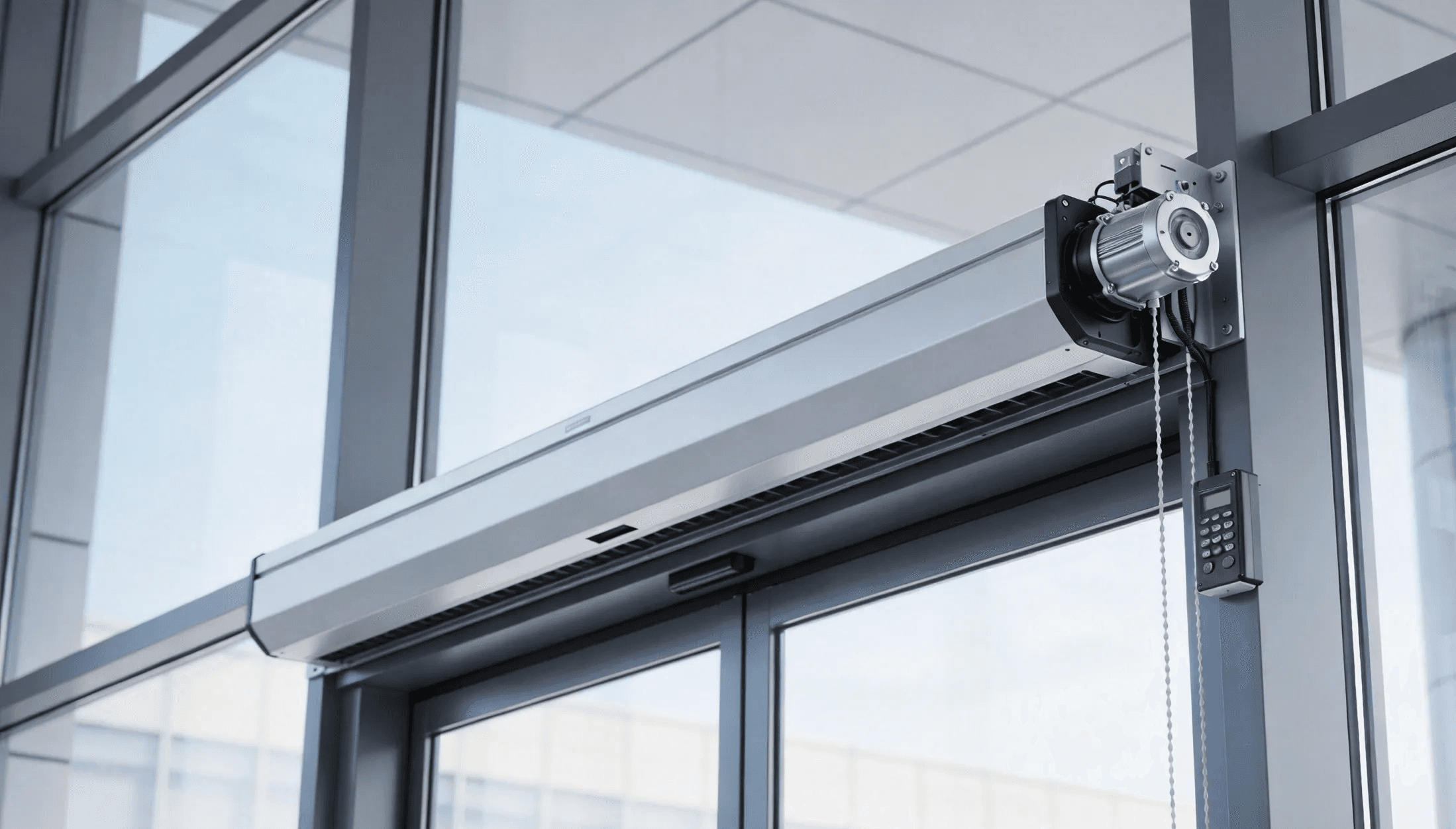
The motor then converts electrical energy into mechanical movement. Different types of motors are designed for different applications.
For example, tubular motors are commonly used in systems where compact installation is important, such as roller shutters and shading applications. Garage door openers are designed to control residential garage doors, while automatic door motors are used for applications such as commercial sliding doors.
The final stage involves safety control. Modern automation systems often include safety components that help monitor operation and improve reliability. These components are particularly important in commercial and industrial environments where doors may operate frequently throughout the day.
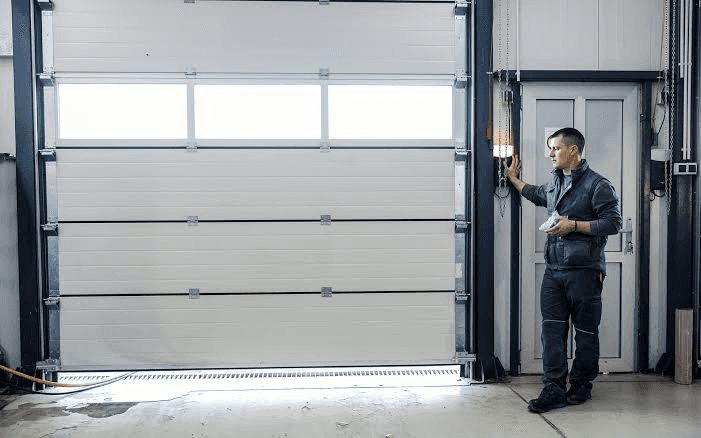
Main Components of a Door Automation System
A reliable automated door solution depends on how different components work together. The motor provides movement, but other parts determine how users interact with the system and how safely it operates.
Drive Motor
The motor is the core power source of an automated door system. It determines how the door moves and must match the requirements of the specific application.
Different automation systems use different motor structures. A compact motor solution may be suitable for shutters or blinds, while larger doors may require stronger drive systems designed for heavier operation.
Choosing the correct motor is not only about power output. Factors such as installation space, door design, operating frequency, and application environment also influence the final selection.
Controller and Operating Devices
The controller connects different parts of the automation system and manages communication between components.
Operating devices provide users with different ways to control automated doors. For example, remote controls allow convenient operation in residential applications, while key switches and other access devices may be more suitable for commercial environments.
These control components help make automated doors easier to operate while supporting different usage scenarios.
Sensors and Safety Components
Safety is an essential part of modern door automation systems.
Sensors and safety devices help the system respond correctly to different situations. For example, they can help detect obstacles or prevent unsafe operation during door movement.
In high-traffic areas such as commercial buildings or industrial facilities, safety components are especially important because doors may be operated repeatedly throughout the day.
Types of Door Automation Systems
Door automation systems are designed for different types of doors and access environments. Although they share the same basic purpose of reducing manual operation, different applications require different automation approaches.
A residential garage door, a commercial entrance door, and an industrial shutter all have different structures, operating conditions, and usage requirements. Because of this, automation solutions are developed to match specific door designs and application scenarios.
Understanding the main types of door automation systems can help users better understand which solutions are commonly used in different environments.
Roller Shutter Automation Systems
Roller shutter automation systems are widely used in commercial buildings, warehouses, retail stores, and other facilities where security and access control are important.
Compared with manually operated shutters, automated roller shutters use motorized systems to control opening and closing movements. This helps reduce the need for physical operation while improving convenience for businesses that use shutters frequently.
The choice of motor depends on factors such as shutter size, installation space, operating frequency, and application requirements. For compact installations, tubular motors are often used because they can be integrated into the tube structure of the shutter system. For larger or more demanding applications, other motor solutions may be selected according to the required performance.
Roller shutter automation is especially useful in environments where reliable daily operation is important. By combining suitable motors with control and safety components, these systems can support smoother and more efficient access management.
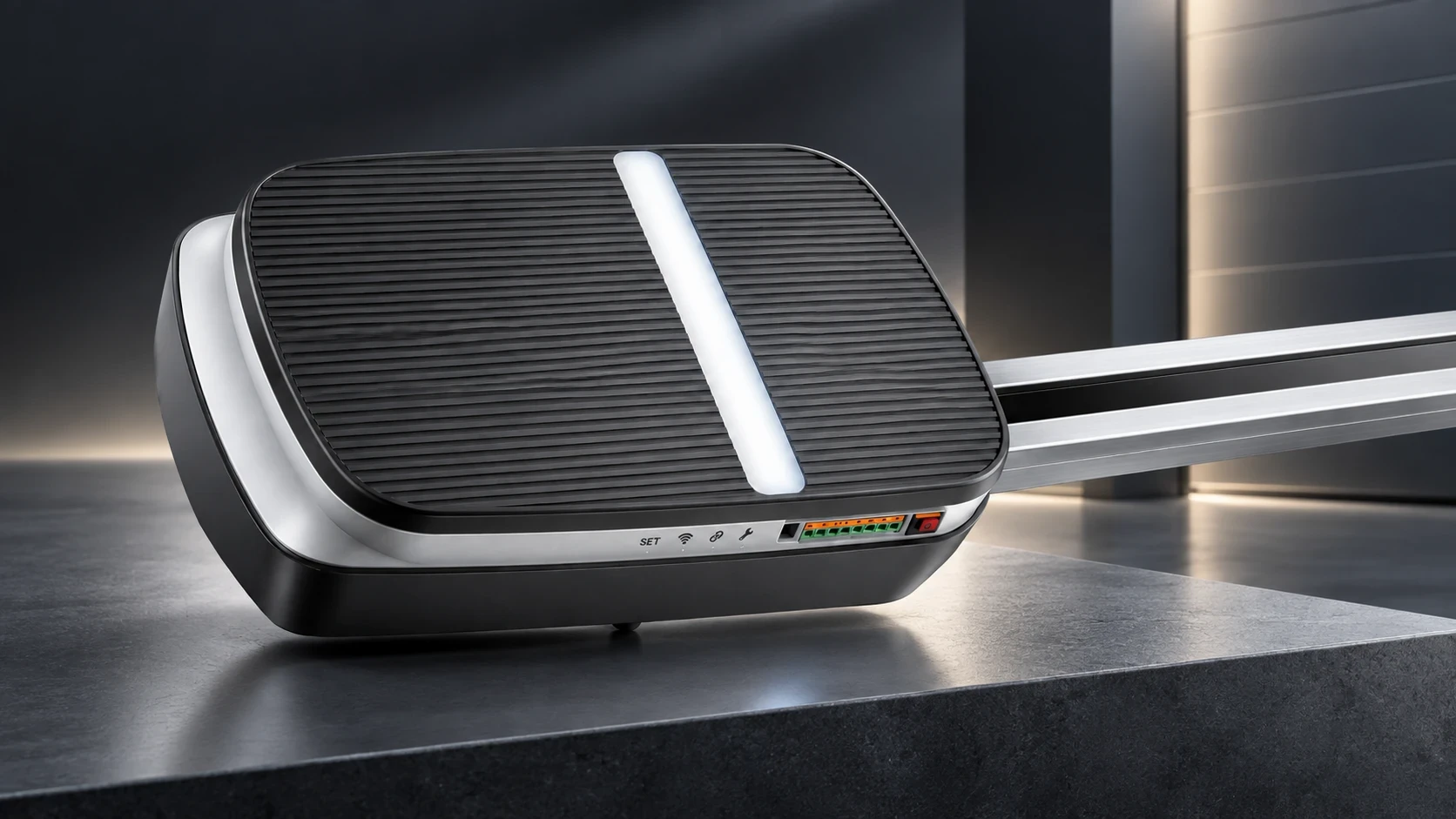
Garage Door Automation Systems
Garage door automation systems are one of the most common residential automation solutions.
Traditional garage doors require users to manually lift or close the door, which can become inconvenient over time. Automated garage door systems use motorized openers and control devices to simplify daily operation and provide a more convenient access experience.
For residential users, the main value of garage door automation is improved usability. With solutions such as garage door openers and remote controls, homeowners can operate garage doors more easily without leaving their vehicles or manually handling heavy doors.
The design of a garage door automation system depends on factors such as door structure, installation environment, and expected usage conditions. Selecting a suitable solution helps ensure stable operation throughout daily use.
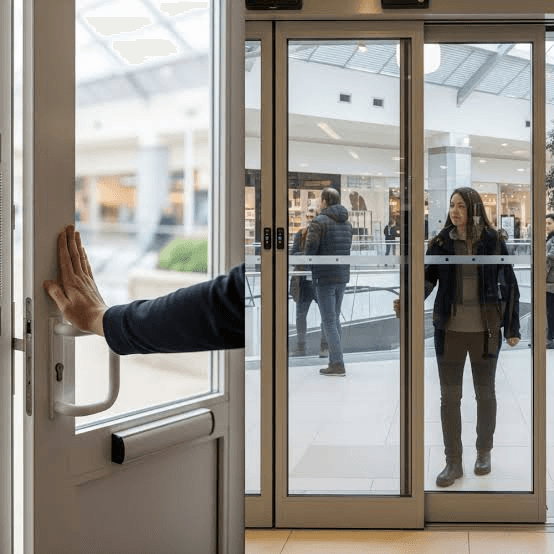
Automatic Sliding Door Systems
Automatic sliding door systems are commonly found in commercial environments such as offices, shopping areas, hotels, and public facilities.
Unlike traditional doors that require manual opening and closing, automatic sliding doors allow users to enter and exit more conveniently. These systems are especially useful in locations with frequent pedestrian traffic where accessibility and smooth operation are important.
Automatic sliding door systems typically combine sensors, controllers, and automatic door motors to manage door movement. When the system receives a signal, the motor controls the opening and closing process while other components help maintain safe operation.
For commercial applications, reliability is an important consideration because doors may operate repeatedly throughout the day. A suitable automation solution helps maintain consistent performance while improving the overall user experience.
Gate Automation Systems
Gate automation systems are designed to improve convenience and access management for residential and commercial entrances.
Large gates can be difficult to operate manually, especially when they are frequently used or installed in locations where quick access is required. Automated gate systems use motorized solutions to control movement and allow users to manage entrances more efficiently.
Different gate structures require different automation methods. For example, sliding gates may use sliding gate openers, while other gate designs may require different motor solutions depending on their movement mechanism and installation conditions.
By combining motors with control accessories, gate automation systems provide a practical way to improve entrance management while reducing manual effort.
Applications of Door Automation Systems
Door automation technology is used across residential, commercial, and industrial environments. While the basic purpose remains the same, each application has different priorities.
Residential users often focus on convenience and easier daily operation, while commercial and industrial users usually require higher reliability, stronger access management, and solutions suitable for frequent use.
Residential Applications
In residential environments, door automation is commonly used for garage doors, gates, curtains, and window systems.
The main purpose of residential automation is to improve convenience and simplify everyday tasks. Automated solutions allow homeowners to control different access points more easily while reducing dependence on manual operation.
For example, garage door openers provide easier control of vehicle entrances, while curtain motors and window openers can support automated home systems in different scenarios.
Commercial Applications
Commercial buildings often require automation solutions that improve accessibility, efficiency, and daily operation.
Automatic sliding doors are frequently used in places such as offices, retail stores, and public facilities because they allow smoother movement for visitors and employees.
Roller shutter automation is also common in commercial environments where businesses need reliable access control and improved security management.
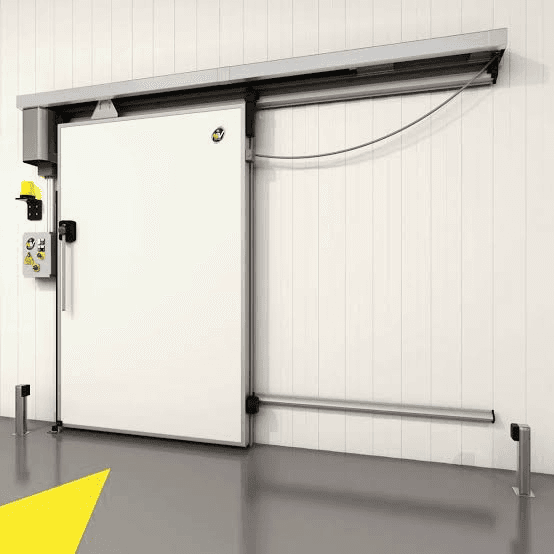
Industrial Applications
Industrial environments usually have higher requirements due to frequent operation and larger door structures.
Warehouses, factories, and industrial facilities may use automation systems to support efficient movement of goods and personnel while reducing manual operation.
In these applications, selecting the right combination of motors, control systems, and safety components is important for maintaining stable performance over long-term use.
How to Choose the Right Door Automation Solution
Choosing a suitable door automation system requires more than simply selecting a motor with enough power. Different doors, environments, and usage requirements need different automation solutions.
Before choosing an automation system, users should first consider the type of door and its operating conditions.
Consider the Door Type and Application
The first step is identifying the door structure and its intended use.
A garage door, sliding gate, roller shutter, and automatic sliding door all require different automation approaches. The size, weight, movement method, and installation environment of the door directly influence the suitable motor and control solution.
For example, residential applications may focus more on convenience and simple operation, while commercial and industrial projects often require solutions designed for frequent use and higher reliability.
Consider Operating Frequency
How often a door is used is another important factor.
A door in a private home may only operate several times per day, while a commercial entrance or industrial facility may require continuous operation throughout working hours.
For high-frequency applications, selecting a reliable automation system that can support repeated operation is important for maintaining stable performance over time.
Consider Safety and Control Requirements
Modern door automation systems are not only designed for movement but also for safer and more convenient access management.
Depending on the application, users may need different control methods, including remote operation, sensors, key switches, or other access devices.
Safety components are also important, especially in commercial and industrial environments where doors interact with employees, customers, or equipment on a regular basis.
Future Trends in Door Automation Systems
Door automation technology continues to develop as buildings become more focused on efficiency, convenience, and intelligent management.
One important trend is the increasing integration of smart control technologies. Modern automation systems are gradually moving beyond simple open-and-close functions and becoming part of wider access management solutions.
Another trend is the growing demand for energy-efficient and reliable automation solutions. By improving motor performance and system control, modern automation technology can help reduce unnecessary operation and support more efficient building management.
Safety and user experience are also becoming increasingly important. Future automation systems are expected to provide smoother operation, better detection capabilities, and more flexible control options for different environments.
As automation technology continues to evolve, door systems will play a larger role in creating smarter and more efficient residential, commercial, and industrial spaces.
Supporting Modern Door Automation Solutions with DP Group
As door automation technology continues to develop, reliable motors and control components are becoming increasingly important for different access applications.
Founded in 2006, DP Group specializes in the research, manufacturing, and marketing of gate automation solutions. The company’s product portfolio includes tubular motors, sliding door motors, swing door motors, roller shutter motors, and a range of automation accessories.
By focusing on innovation, customer needs, and detailed manufacturing processes, DP Group develops automation solutions designed to support safer, easier, and more efficient access systems.
From residential automation to commercial and industrial applications, choosing the right combination of motors, control devices, and accessories helps create reliable automation systems that meet different project requirements.
Frequently Asked Questions (FAQ)
Q: How long does a door automation system usually last?
A: The lifespan of a door automation system depends on factors such as product quality, installation conditions, operating frequency, and regular maintenance. Systems used in residential environments may experience less frequent operation, while commercial and industrial applications usually require solutions designed for higher usage levels. Regular inspection and proper maintenance can help improve reliability and extend the service life of automation components.
Q: Can existing doors be upgraded with an automation system?
A: In many cases, existing doors can be upgraded with automation components. However, compatibility depends on factors such as door structure, available installation space, weight, and mechanical condition. Before installation, it is important to evaluate whether the existing door can support an automation solution and select suitable motors and control components.
Q: Do automatic doors still work during a power outage?
A: Most automatic door systems require electrical power to operate. However, some solutions may include backup power options or manual release mechanisms depending on the system design. For commercial and industrial applications where continuous access is important, considering backup solutions during the planning stage can help avoid operational interruptions.
Q: Are automatic door systems only suitable for commercial buildings?
A: No. Door automation systems are widely used in both residential and commercial environments. Residential applications often include garage doors, gates, curtains, and window systems, while commercial and industrial applications commonly involve sliding doors, roller shutters, and larger access systems.
Q: What factors affect the performance of an automatic door system?
A: The performance of an automatic door system depends on several factors, including motor selection, door design, installation quality, operating environment, and maintenance. Choosing a solution that matches the specific application requirements is important for achieving stable and reliable operation.
Conclusion
Door automation systems have become an important part of modern access solutions, helping improve convenience, safety, and operational efficiency across residential, commercial, and industrial environments.
From garage door openers and sliding gate systems to roller shutter and automatic sliding door solutions, different applications require different automation approaches. Understanding the relationship between door type, operating conditions, and system requirements helps users make more informed decisions when planning an automation project.
Founded in 2006, DP Group focuses on the research, manufacturing, and marketing of gate automation solutions. With products including tubular motors, sliding door motors, swing door motors, roller shutter motors, and automation accessories, the company provides solutions designed for different access control applications.
As automation technology continues to develop, selecting reliable components and suitable system designs will remain essential for creating safer, more efficient, and more convenient access experiences.
Other Blogs