Blog
How Smart Door Automation Systems Are Transforming Modern Access Control
Author
Ray
Published
Category
Design & Inspiration
Discover how smart door automation systems are transforming modern access control with intelligent technology, improved security, and more efficient building entrances.

Author
Ray
An experienced automation specialist with a strong background in motor technology and industrial solutions. With years of expertise in central motors, tubular motors, and automation systems, the author is dedicated to sharing insights that connect engineering innovation with real-world applications. Passionate about advancing reliable, energy-efficient, and high-performance automation products for global markets.
What’s better than insider perks, pro tips, and surprises?
Sign up to get the most recent blog articles in your email every week.
Join now.
WHY I WRITE THIS
About my business
Our company’s main product lines include tubular motors, sliding gate motors, swing gate motors, roller shutter motors, and other door automation solutions, all manufactured by trusted partner factories we have worked with for many years.
Our Services
I help them with sales and export operations, while our company also provides sourcing and procurement services in China to help international clients solve supply-related challenges. If you need assistance with procurement, please feel free to contact us.
Introduction
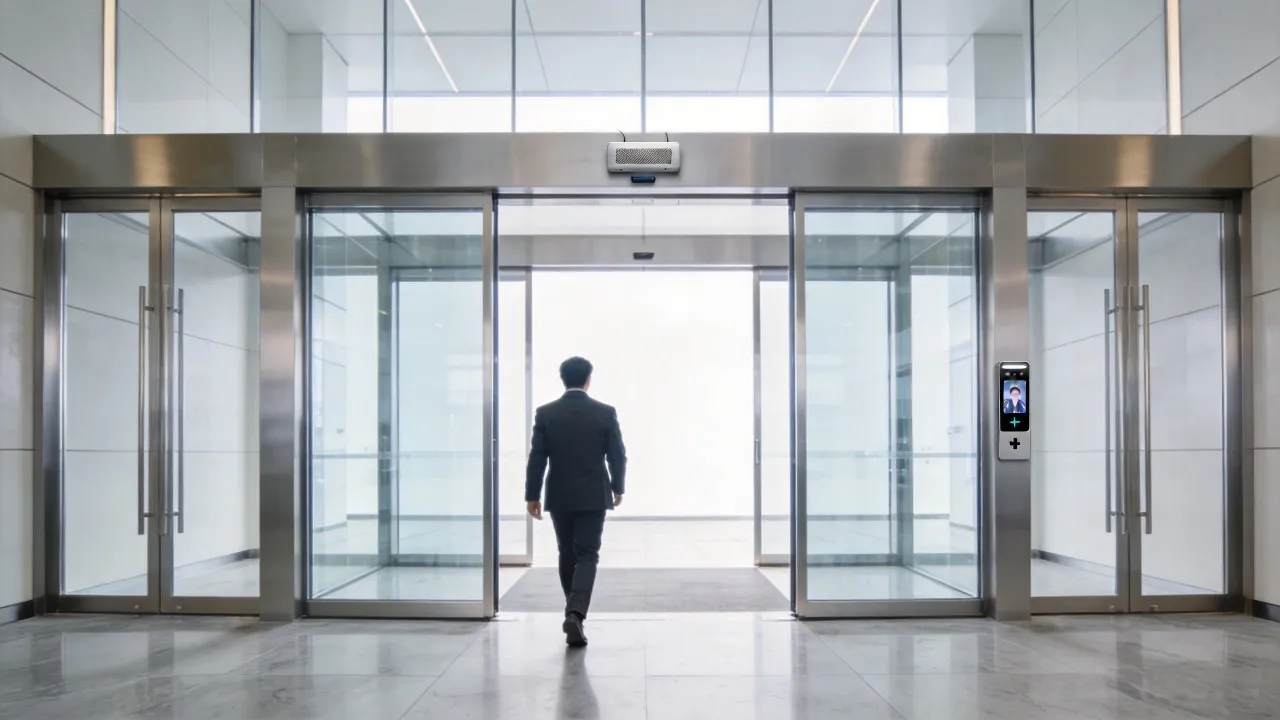
As buildings become more focused on security, convenience, and operational efficiency, traditional access systems are gradually evolving into smarter solutions. Door automation systems, once mainly designed for automatic opening and closing, are now becoming an important part of modern access management.
Smart door automation systems combine automated movement, intelligent control, and safety technologies to create more efficient and user-friendly access experiences. By integrating sensors, remote control solutions, and advanced control systems, these solutions can help buildings improve security while reducing unnecessary manual operations.
From residential properties to commercial buildings and industrial facilities, smart automation is changing how people interact with doors and access points. Understanding how these systems work and where they are used can help project owners choose more suitable automation solutions.
What Are Smart Door Automation Systems?
A smart door automation system is an advanced version of a traditional automatic door solution that uses intelligent technologies to improve control, safety, and user experience.
Traditional automatic doors usually rely on basic sensors to detect movement and activate a motor that opens or closes the door. While these systems provide convenience, their functions are often limited to simple automatic operation.
Smart door automation systems go further by combining multiple technologies, such as sensors, remote control, access management, and intelligent controllers. These features allow users to manage door operation more flexibly while improving security and efficiency.
For example, a smart automation system can adjust how a door operates based on different conditions, such as user movement, access permissions, or specific operating schedules. This makes the system more adaptable for different environments, including homes, offices, retail spaces, and industrial facilities.
Another important difference is connectivity. Modern smart automation solutions can be integrated with wider building management systems, allowing doors to become part of a connected environment rather than working as independent devices.
As demand for smarter buildings continues to grow, door automation is no longer only about mechanical movement. It is becoming a combination of intelligent control, safety management, and efficient access solutions.
Key Technologies Behind Smart Door Automation Systems
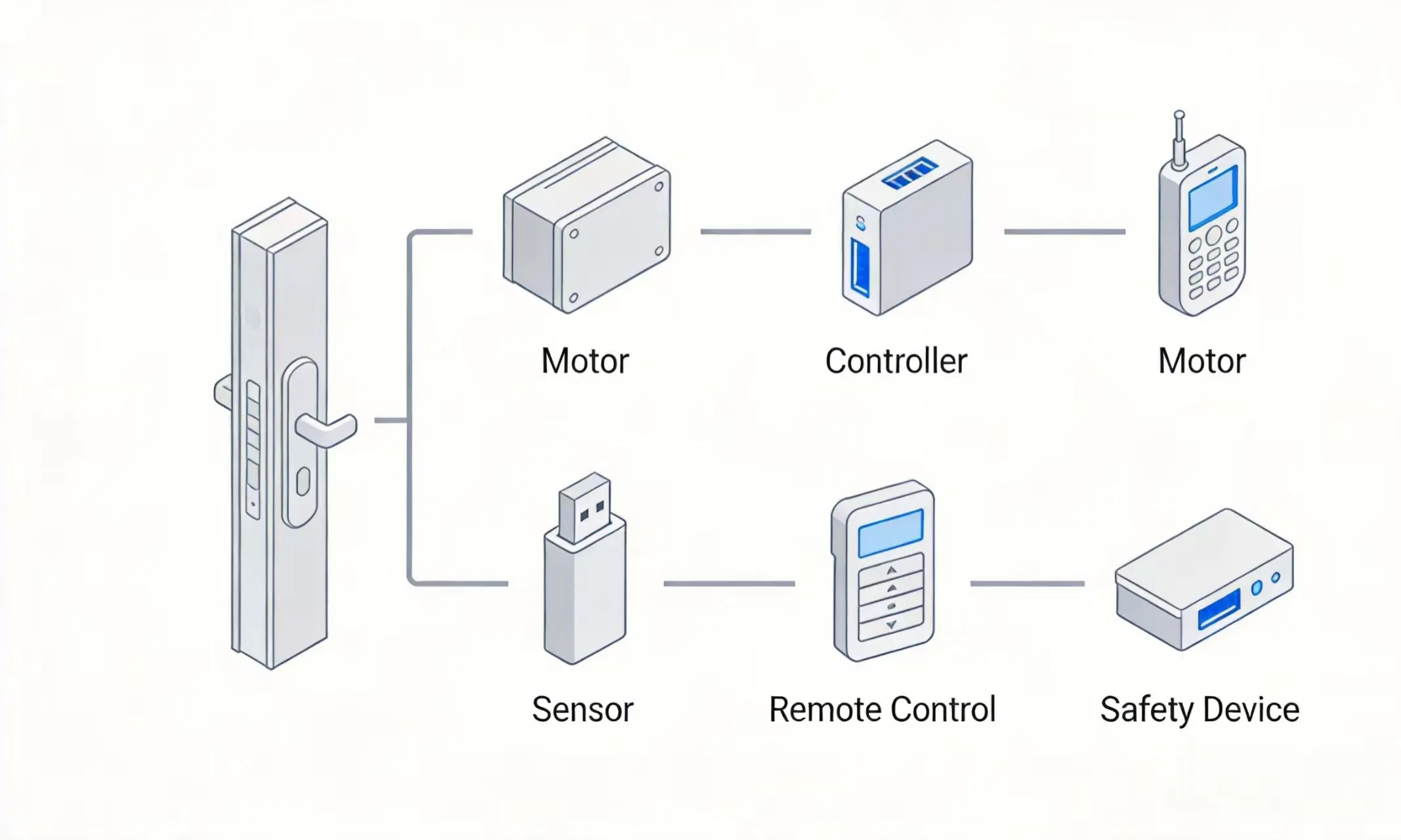
Smart door automation systems rely on several key technologies working together. Each component plays an important role in creating a safer and more reliable automated access experience.
Smart Sensors and Detection Systems
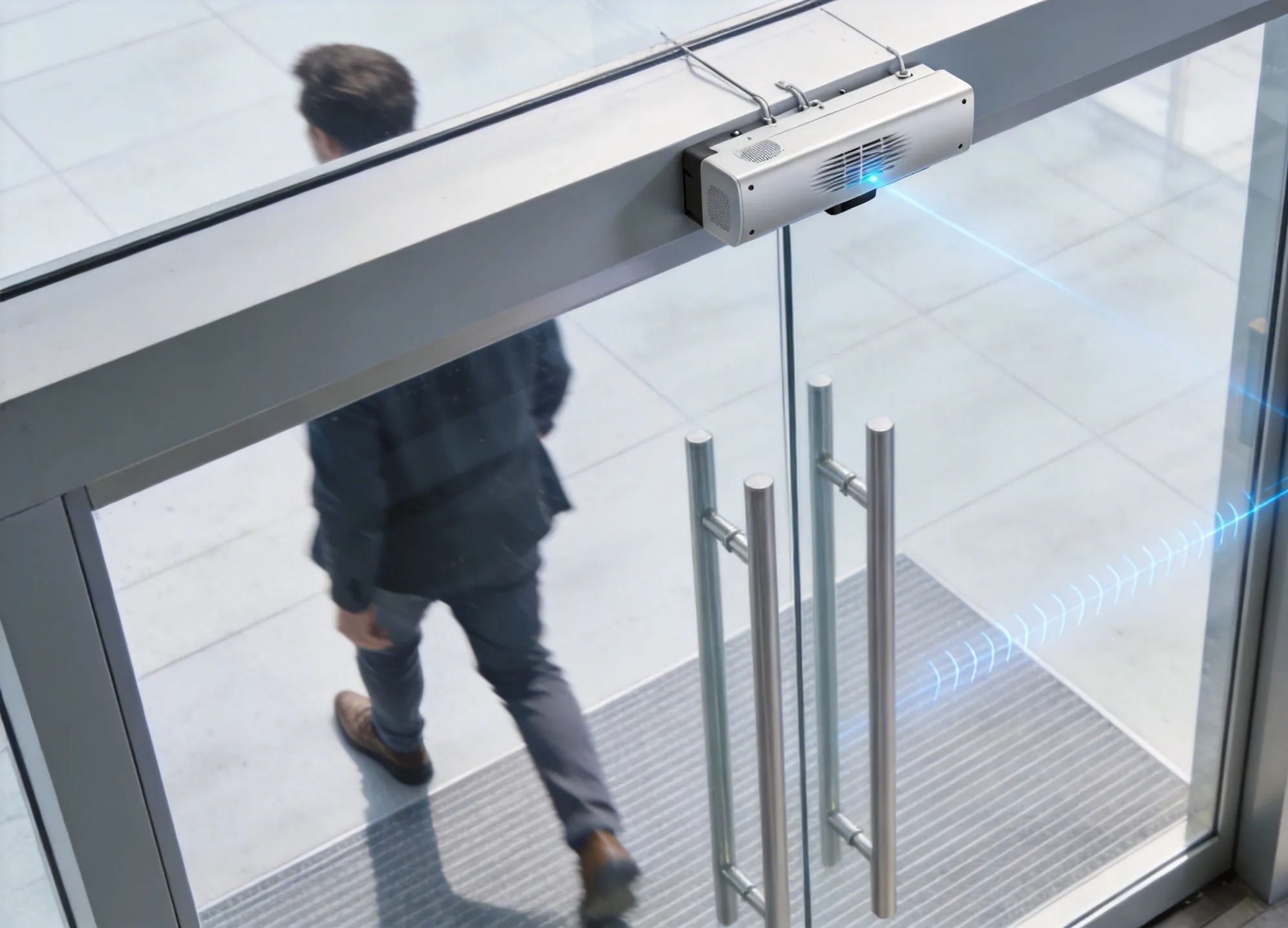
Sensors are one of the most important parts of any smart door automation system. They allow the system to detect movement, identify users, and improve operational safety.
Different applications may require different types of sensors, including motion sensors, presence detection sensors, and safety photocells. These components help ensure that doors operate only when needed while reducing the risk of unexpected movement.
For example, safety sensors can prevent a door from closing when an object or person is detected in the operating area. This is especially important in commercial and industrial environments where doors may be used frequently.
Remote Control and Access Management
Another important feature of smart door automation systems is flexible access control.
Instead of relying only on physical operation, modern systems can use remote controls, key switches, and other control devices to manage access more conveniently.
For residential users, remote operation can provide easier daily access management. For commercial applications, access control features can help improve security by allowing businesses to better manage who can enter specific areas.
By combining automation motors with intelligent control methods, users can create access systems that are more convenient and better suited to different operational requirements.
Intelligent Motor Control
The motor is the driving force behind every automated door system. In smart automation solutions, motor performance directly affects operating smoothness, reliability, and overall user experience.
Modern automation motors are designed to provide controlled movement, stable operation, and compatibility with different door applications. Depending on the door type and project requirements, different motor solutions may be used, including tubular motors, central motors, or other automation motors.
Selecting the appropriate motor is important because factors such as door size, operating frequency, and application environment can influence system performance.
Applications of Smart Door Automation Systems
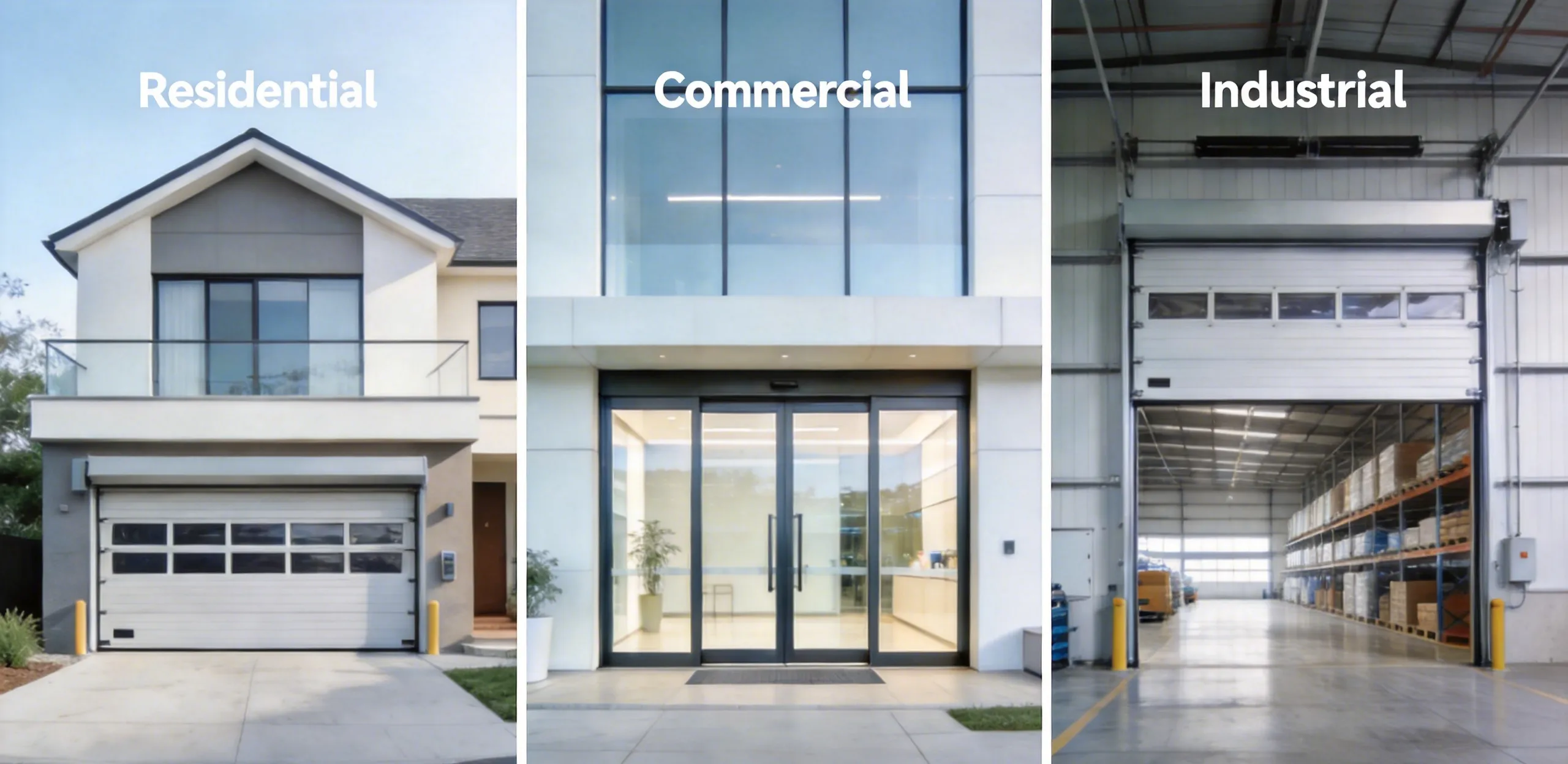
Smart door automation systems are becoming increasingly common across different environments because they can provide more convenient, secure, and efficient access solutions. While the basic concept remains the same, the design and functions of an automation system may vary depending on the application requirements.
From residential properties to commercial buildings and industrial facilities, smart automation technology helps improve daily operations while creating a more comfortable user experience.
Residential Applications: Improving Everyday Convenience
In residential environments, smart door automation systems are mainly focused on improving convenience, security, and lifestyle quality.
Homeowners are increasingly looking for automation solutions that make daily access easier. Automated garage doors, smart gates, window openers, and curtain systems are examples of how automation technology can be integrated into modern homes.
With smart control features, users can operate doors remotely without manual effort. This is especially useful for situations such as opening a garage door before arriving home or controlling access to a private entrance.
Beyond convenience, residential automation also improves security. Smart access solutions can help homeowners better manage entry points and reduce the risk of unauthorized access. When combined with reliable motors and safety devices, automated systems can provide a smoother and safer experience for everyday use.
Commercial Applications: Enhancing Building Efficiency
Commercial buildings often have higher requirements for access management because doors may be used frequently throughout the day.
In locations such as offices, retail stores, hotels, and public facilities, smart door automation systems can help improve customer experience while supporting efficient building operations.
For example, automatic doors can reduce waiting times in busy areas and provide easier access for visitors. In environments with high foot traffic, automated systems can also help maintain a consistent flow of movement while reducing unnecessary manual operation.
Security is another important consideration for commercial applications. Smart automation systems can work together with access control technologies to help businesses manage entrances more effectively.
As commercial buildings continue to adopt smart building concepts, automated doors are becoming an important part of creating more efficient and connected environments.
Industrial Applications: Supporting Reliable Operations
Industrial facilities have different automation requirements compared with residential and commercial projects. Warehouses, factories, and logistics centers often require systems that can handle frequent operation, larger doors, and demanding working conditions.
Smart door automation systems can help industrial facilities improve operational efficiency by reducing manual door handling and supporting smoother workflows.
For example, automated access solutions can be used for industrial doors, warehouse entrances, and other large-scale applications where speed and reliability are important. By integrating suitable motors, control systems, and safety components, industrial automation solutions can provide stable performance even under frequent use.
In these environments, automation is not only about convenience but also about improving productivity and maintaining safer working conditions.
Benefits of Smart Door Automation Systems
The growing adoption of smart door automation systems is driven by several practical advantages. These benefits make automation solutions suitable for a wide range of applications.
Improved Convenience and User Experience
One of the biggest advantages of smart door automation is convenience.
Automated systems reduce the need for manual operation, allowing users to access spaces more easily. Whether in a home, office, or industrial environment, smoother access can improve overall user experience.
Smart control features also provide greater flexibility, allowing users to operate and manage doors according to different needs.
Enhanced Security and Access Management
Security is another important reason why many projects choose smart automation solutions.
Traditional doors often rely on manual locking and operation, while smart automation systems can integrate advanced control methods to improve access management.
By combining automation with sensors and control devices, users can create a more secure access environment while maintaining convenient operation.
Better Energy Efficiency
Smart door automation systems can also contribute to improved energy efficiency.
In commercial buildings, doors that remain open unnecessarily can lead to energy loss by affecting indoor temperature control. Automated systems help ensure doors open only when needed and close promptly after use.
This can support more efficient building management, especially in locations with high traffic volumes.
Reliable and Long-Term Operation
A well-designed automation system depends on the cooperation of multiple components, including motors, controllers, and safety devices.
When properly selected according to application requirements, smart door automation systems can provide reliable operation over long periods.
Factors such as door type, usage frequency, environment, and maintenance should all be considered to ensure the system continues to perform effectively.
Smart Door Automation and the Future of Building Access
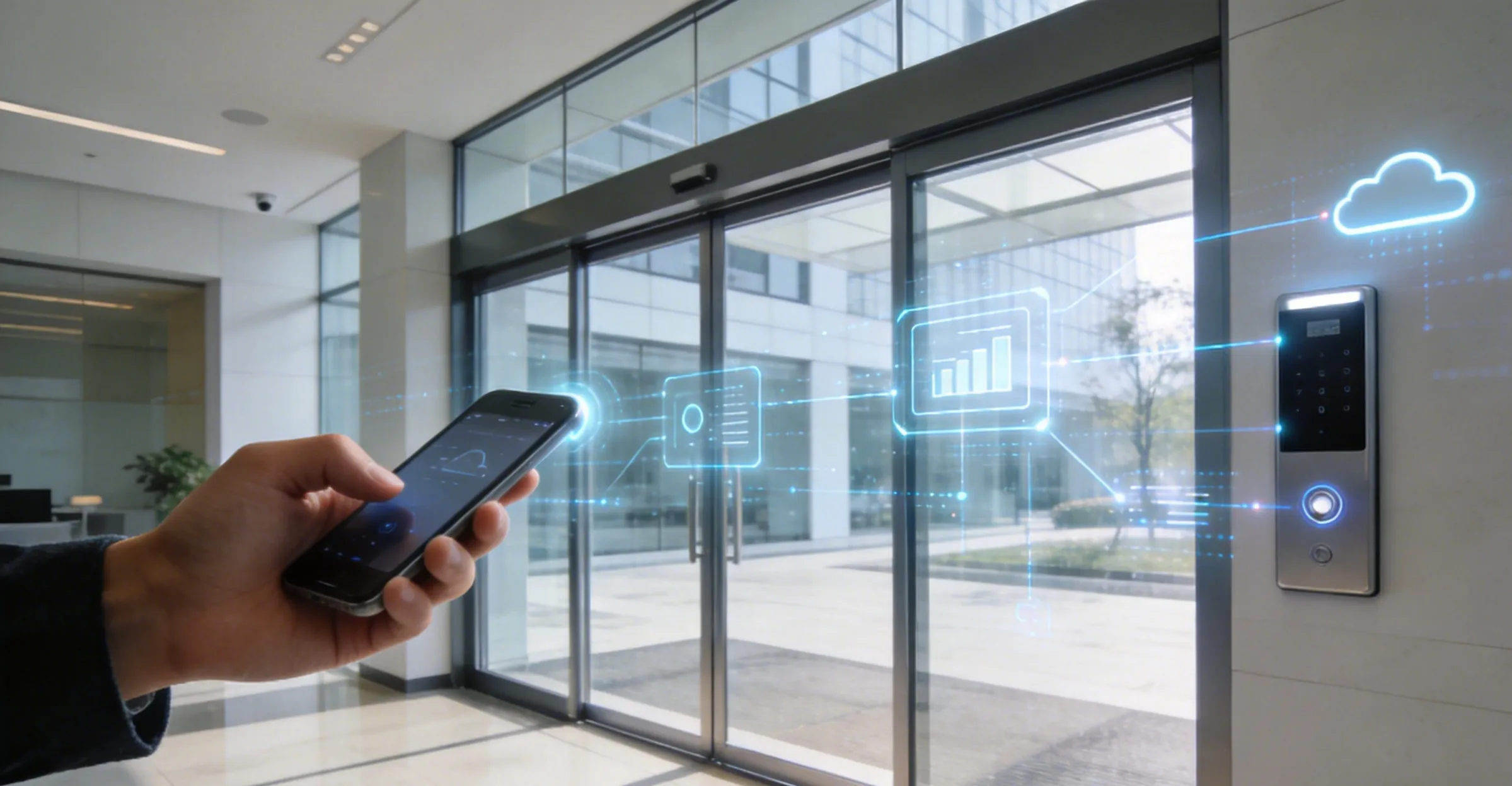
The future of door automation is closely connected with the development of smart buildings and intelligent management systems.
As technology continues to advance, automation solutions are becoming more connected, adaptable, and efficient. Future systems may provide deeper integration with building management platforms, allowing different devices to communicate and work together more effectively.
For example, smart access systems may combine door automation, security monitoring, energy management, and remote control into a unified solution. This development allows buildings to become more efficient while providing users with safer and more convenient experiences.
For businesses and project owners, choosing the right automation solution is no longer only about opening and closing doors. It is about creating a complete access system that meets current operational needs while supporting future development.
FAQ About Smart Door Automation Systems
Q: What is a smart door automation system?
A: A smart door automation system is an advanced access solution that combines automatic door operation with intelligent technologies such as sensors, remote control, and smart controllers. Compared with traditional automatic doors, smart systems provide more flexible control, improved security, and better integration with modern building environments.
Q: How is smart door automation different from traditional automatic doors?
A: Traditional automatic doors mainly focus on opening and closing functions through basic sensors and motors. Smart door automation systems add more intelligent features, such as remote management, access control integration, and improved safety monitoring.
This allows users to manage door operation more efficiently while adapting the system to different application requirements.
Q: Can existing doors be upgraded with smart automation?
A: In many cases, existing doors can be upgraded with automation components depending on the door structure, operating conditions, and project requirements.
The upgrade process usually requires evaluating factors such as door type, weight, usage frequency, available installation space, and required control methods. Choosing suitable automation components is important to ensure reliable performance.
Q: What sensors are used in smart door automation systems?
A: Smart door automation systems may use different types of sensors depending on the application.
Common examples include motion sensors, presence detection sensors, and safety photocells. These components help the system detect movement, improve user safety, and ensure smoother door operation.
Q: Are smart door automation systems suitable for commercial buildings?
A: Yes. Smart door automation systems are widely used in commercial environments such as offices, retail stores, hotels, and public facilities.
They can help improve accessibility, manage high traffic flow, enhance security, and support more efficient building operations.
Conclusion
Smart door automation systems are becoming an important part of modern access solutions by combining automation technology, intelligent control, and safety features. From residential properties to commercial buildings and industrial facilities, these systems provide more convenient, secure, and efficient ways to manage daily access.
As buildings continue to move toward smarter and more connected environments, automation solutions are expected to play an increasingly important role in improving user experience and operational efficiency.
With experience in developing and manufacturing automation solutions, DP Group provides a wide range of products designed for different access applications, including tubular motors, gate automation solutions, roller shutter motors, and other automation components. By focusing on innovation, quality control, and customer requirements, DP Group continues to support customers worldwide with reliable automation solutions.
Choosing the right smart door automation system depends on factors such as application environment, door type, operation frequency, and safety requirements. A well-designed solution can not only improve convenience today but also provide long-term value for future automation needs.
Other Blogs


