Blog
Electric Motor Safety Brake: What It Is, How It Works, and How to Choose the Right One
Author
Ray
Published
Category
Design & Inspiration
Learn what electric motor safety brakes are, how they work, and how to choose the right solution for roller shutters and industrial door automation systems.

Author
Ray
An experienced automation specialist with a strong background in motor technology and industrial solutions. With years of expertise in central motors, tubular motors, and automation systems, the author is dedicated to sharing insights that connect engineering innovation with real-world applications. Passionate about advancing reliable, energy-efficient, and high-performance automation products for global markets.
What’s better than insider perks, pro tips, and surprises?
Sign up to get the most recent blog articles in your email every week.
Join now.
WHY I WRITE THIS
About my business
Our company’s main product lines include tubular motors, sliding gate motors, swing gate motors, roller shutter motors, and other door automation solutions, all manufactured by trusted partner factories we have worked with for many years.
Our Services
I help them with sales and export operations, while our company also provides sourcing and procurement services in China to help international clients solve supply-related challenges. If you need assistance with procurement, please feel free to contact us.
Introduction
Safety is one of the most important considerations in modern automated door and shutter systems. While motors provide the driving force required for opening and closing movement, additional safety components are often needed to protect users, equipment, and the surrounding environment.
For roller shutters and industrial door applications, an electric motor safety brake is an important component that helps prevent uncontrolled movement when unexpected situations occur. By providing additional protection during operation, safety brakes can improve system reliability and support safer automation solutions.
Unlike standard motor components that focus mainly on movement, safety brakes are designed to respond when the normal operating process is interrupted. They work together with motors, shafts, and control systems to create a more secure and stable automated door solution.
For installers, distributors, and project suppliers, understanding how electric motor safety brakes work and when they are required can help in selecting more suitable automation systems for different applications.
What Is an Electric Motor Safety Brake?
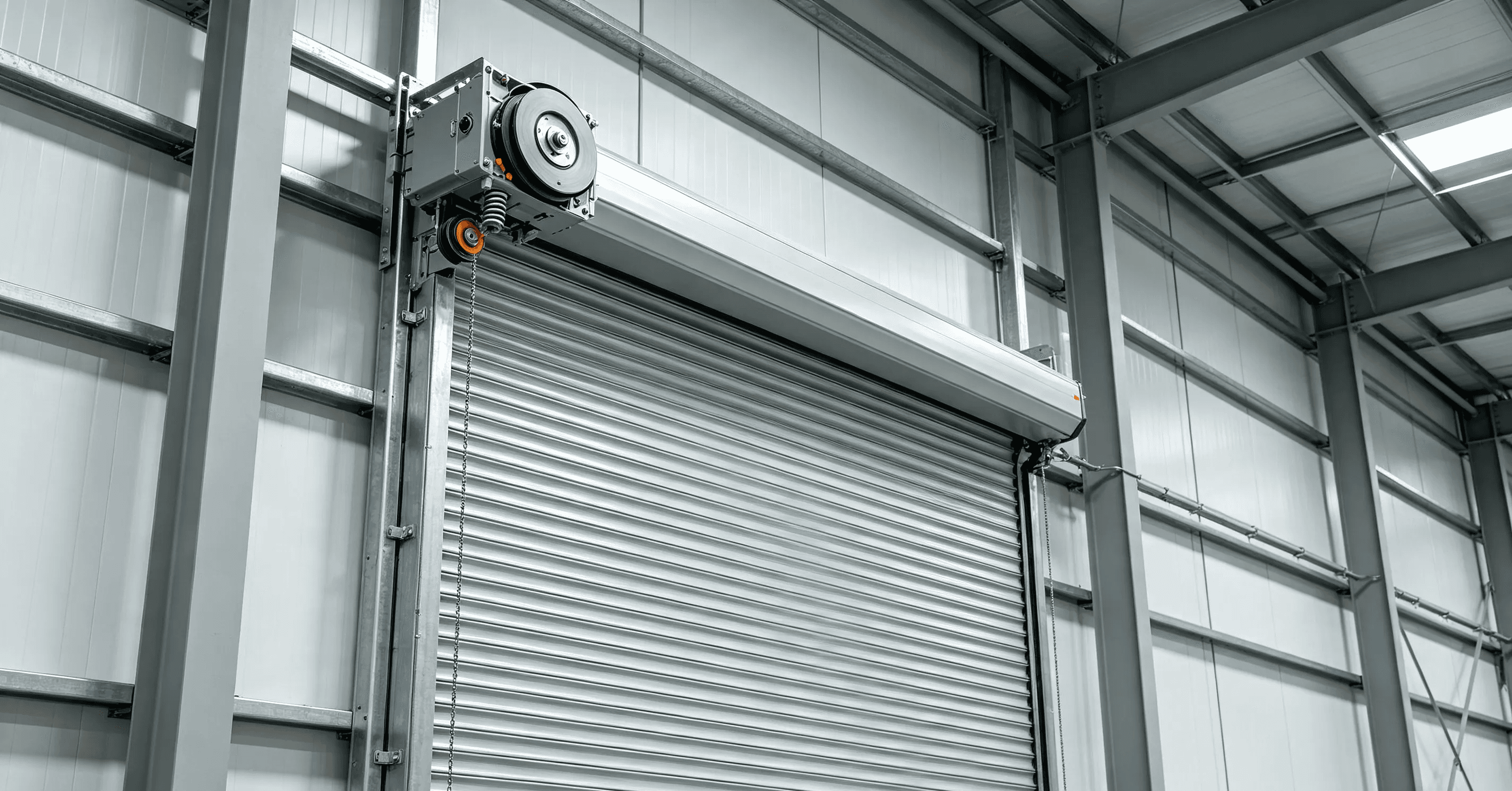
An electric motor safety brake is a mechanical safety device designed to prevent uncontrolled movement of a door or shutter system when a failure occurs.
In automated roller shutters, the motor normally controls the lifting and lowering movement of the shutter curtain. However, if the motor, gearbox, or other driving components experience a malfunction, the shutter may lose controlled movement due to its own weight.
A safety brake helps reduce this risk by locking or slowing the movement of the system when abnormal conditions are detected. This additional protection helps prevent sudden drops and improves the overall safety level of automated shutter systems.
Safety brakes are commonly used in applications where shutters are large, heavy, or frequently operated, including commercial buildings, warehouses, industrial facilities, and other environments requiring reliable access control.
Why Do Roller Shutters Need Safety Brakes?
Roller shutters are widely used because they provide efficient access management, security, and space-saving advantages. However, larger shutters also create higher mechanical loads, which means safety considerations become increasingly important.
During normal operation, the motor and control system work together to maintain controlled movement. When the system operates correctly, the shutter can open and close smoothly according to user commands.
However, unexpected issues such as motor failure, gearbox damage, or mechanical problems may affect movement control. Without additional protection, a heavy shutter curtain could move uncontrollably and create potential safety risks.
A safety brake provides an additional layer of protection by helping secure the shutter system when abnormal movement occurs. This is especially important for industrial and commercial applications where shutters are larger and operate more frequently.
How Does an Electric Motor Safety Brake Work?

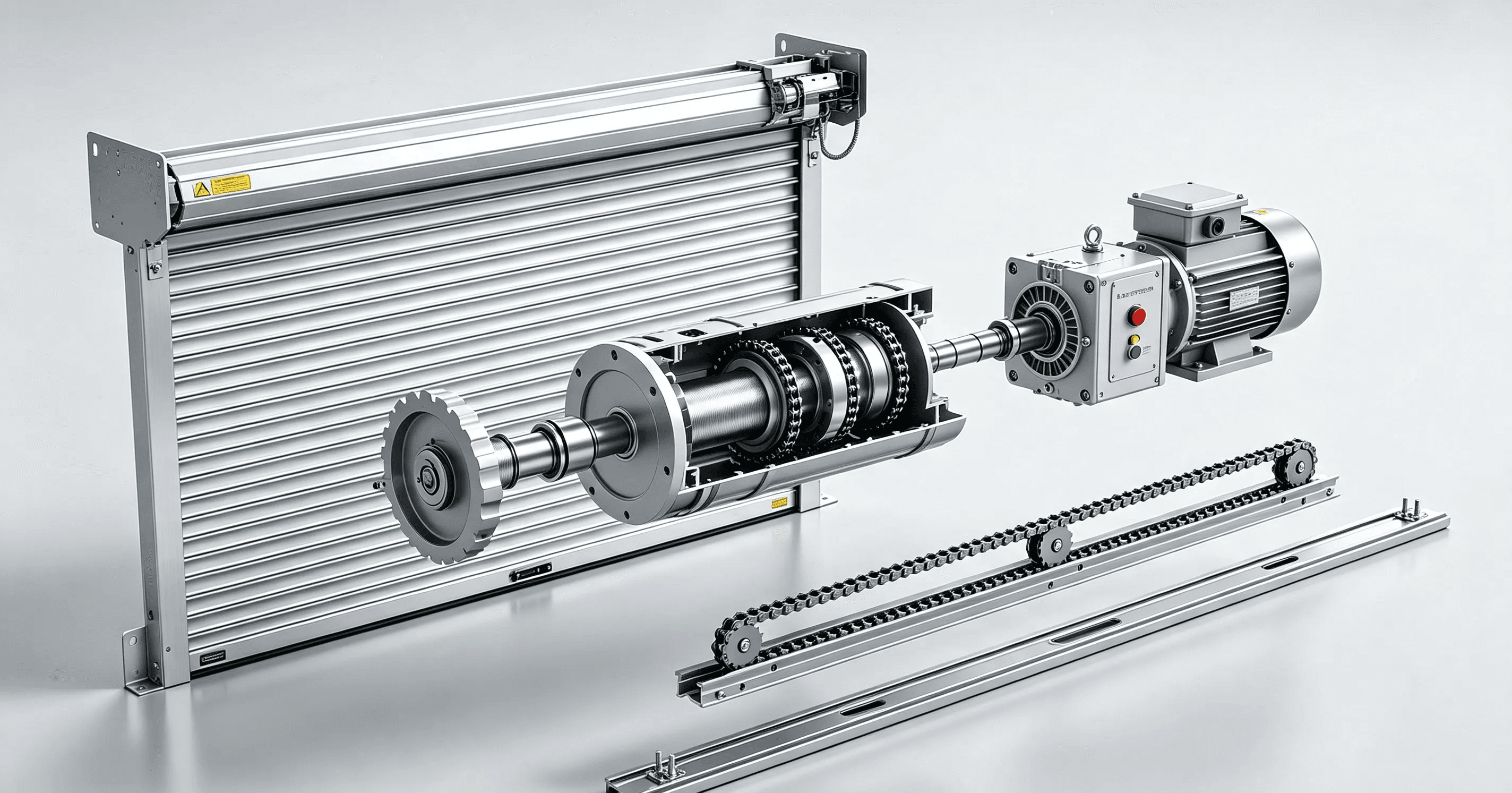
The working principle of a safety brake is based on controlling the movement of the shutter shaft and preventing uncontrolled rotation.
During normal operation, the safety brake remains synchronized with the motor and allows the shutter to move according to the control system instructions. The motor provides the required force, while the brake remains ready to respond if an abnormal situation occurs.
When a failure condition causes uncontrolled movement, the safety brake activates and locks the rotating mechanism. This prevents the shutter curtain from falling freely and helps maintain a safer operating condition.
The exact working method depends on the design of the safety brake and the type of shutter system. However, the main purpose remains the same: providing additional protection when the primary drive system cannot maintain normal control.
The Relationship Between Safety Brakes and Roller Shutter Motors
A safety brake does not replace the function of a roller shutter motor. Instead, it works together with the motor to create a more complete automation solution.
The motor is responsible for generating movement, while the safety brake provides additional protection during abnormal conditions. Both components need to be properly matched according to the shutter structure, load requirements, and operating environment.
For example, a heavy industrial shutter may require a stronger motor solution together with a suitable safety brake system. Selecting these components separately without considering the complete application may affect overall system performance.
For this reason, safety brakes should be evaluated as part of the entire automated shutter system rather than as an independent accessory.
Types of Electric Motor Safety Brakes
Electric motor safety brakes can be designed in different ways depending on the application requirements, shutter structure, and level of protection needed.
Although different safety brake designs may use different operating principles, their main purpose is the same: providing additional protection when the normal driving system cannot maintain controlled movement.
Selecting the right type of safety brake requires understanding how it works with the motor, shaft, and complete shutter system.
Mechanical Safety Brakes
Mechanical safety brakes are commonly used in roller shutter applications where reliable physical protection is required.
These systems typically respond to abnormal movement through mechanical activation. When the shutter begins moving beyond the expected operating condition, the brake mechanism engages and helps stop uncontrolled rotation.
Because mechanical safety brakes rely on physical components rather than complex electronic control, they are often valued for their reliability and durability in demanding environments.
For commercial and industrial roller shutters, mechanical safety brakes can provide an additional safety layer that supports stable operation under heavy loads.
Electromagnetic Safety Brakes
Electromagnetic safety brakes use electrical control principles to manage braking action.
During normal operation, the brake remains released while the motor controls shutter movement. When power is interrupted or a safety condition occurs, the brake can activate to hold the system in position.
This type of solution is commonly used in automation systems where coordinated control between the motor and safety components is important.
For applications requiring precise control and integration with modern automation systems, electromagnetic safety brakes can provide an effective safety solution.
Industrial Safety Brake Applications
Industrial environments often place higher demands on shutter systems because of larger door sizes, heavier loads, and more frequent operation.
In warehouses, factories, and logistics facilities, safety brakes help improve operational security by reducing the risk associated with uncontrolled shutter movement.
For these applications, the safety brake should be selected together with the motor, shutter structure, and expected workload. A suitable combination can improve system reliability while supporting long-term operation in demanding conditions.
How to Choose the Right Electric Motor Safety Brake
Choosing an electric motor safety brake requires evaluating the complete shutter system rather than selecting a component based on a single specification.
The most suitable solution depends on factors such as shutter weight, motor type, installation environment, and operating requirements.
A properly selected safety brake can improve protection while ensuring that the automated system continues to operate efficiently.
Consider the Shutter Load and Motor Compatibility
The first factor to consider is whether the safety brake matches the load requirements of the shutter system.
Larger and heavier shutters create greater mechanical forces during operation, which means the safety brake needs to provide sufficient protection for the actual application.
The safety brake should also be compatible with the selected motor and mechanical structure. A mismatch between these components may affect system performance and reduce the effectiveness of the safety function.
For this reason, safety brake selection should always consider the relationship between the motor, shaft, shutter curtain, and overall system design.
Evaluate Operating Environment
The installation environment can significantly influence safety brake performance.
Industrial facilities may expose automation equipment to dust, moisture, temperature changes, and frequent operating cycles. These conditions can affect the durability and maintenance requirements of safety components.
A safety brake used in a controlled indoor environment may have different requirements compared with one installed in a warehouse or industrial facility.
Considering environmental conditions during selection helps ensure more reliable operation throughout the expected service life.
Check Installation Requirements
Different shutter systems may require different installation methods and mounting configurations.
Before selecting a safety brake, installers should evaluate factors such as shaft design, available installation space, and compatibility with existing components.
A solution that fits the mechanical structure correctly can improve installation efficiency and reduce potential adjustment issues during operation.
Proper installation is also important because even a high-quality safety brake may not perform as expected if it is incorrectly integrated into the shutter system.
Consider Safety and Long-Term Reliability
Safety components should be evaluated based on their ability to provide reliable protection over time.
For commercial and industrial applications, shutters may operate many times every day. A safety brake needs to maintain consistent performance throughout repeated cycles while supporting the durability of the complete automation system.
Selecting a reliable solution helps reduce unexpected interruptions and improves confidence in the overall door automation system.
Applications of Electric Motor Safety Brakes
Electric motor safety brakes are used in various automated shutter and door systems where additional movement protection is required.
The specific requirements depend on the size of the shutter, operating frequency, and working environment.
Commercial Roller Shutters
Commercial roller shutters often require safety solutions because they are used frequently in retail stores, garages, and commercial facilities.
These shutters need to provide convenient access while maintaining reliable operation throughout daily use. A safety brake can help improve protection by reducing risks caused by unexpected mechanical failures.
For commercial applications, the selected safety brake should balance safety requirements with practical installation and maintenance considerations.
Industrial Doors and Warehouses
Industrial doors and warehouse shutters usually involve larger structures and heavier loads compared with residential applications.
In these environments, equipment reliability is essential because unexpected downtime can affect daily operations. Safety brakes help support safer operation by providing additional protection for high-load shutter systems.
When combined with suitable industrial motors and control systems, safety brakes contribute to a more complete automation solution for demanding environments.
High-Frequency Automated Door Systems
Some automated door and shutter systems operate continuously throughout the day, creating higher requirements for component durability.
Applications such as logistics centers, manufacturing facilities, and large commercial buildings may require safety components that can handle repeated operation cycles.
A properly selected safety brake helps maintain system reliability while supporting the long-term performance of frequently used automation equipment.
Common Mistakes When Selecting a Safety Brake
Selecting a safety brake without considering the complete system requirements can lead to performance issues and unnecessary costs.
Although safety brakes are important protection components, they need to work together with the motor, shutter, and control system to provide effective results.
Choosing Based Only on Motor Specifications
One common mistake is selecting a safety brake only according to motor power.
Motor specifications are important, but they do not represent all factors affecting safety requirements. Shutter weight, mechanical structure, operating frequency, and installation conditions also influence the final selection.
A suitable safety brake should match the complete application rather than only one component.
Ignoring Compatibility with the Complete System
Another common issue is overlooking compatibility between the safety brake and other automation components.
The motor, shaft, shutter structure, and control system need to work together properly. If the safety brake is not suitable for the existing system, it may not provide the expected level of protection.
Evaluating the entire automation solution helps avoid compatibility problems and improves overall reliability.
Overlooking Maintenance Requirements
Like other mechanical components, safety brakes require proper inspection and maintenance.
Dust, wear, and long-term operation can affect component performance over time. Regular checking helps ensure that the safety brake remains ready to operate when protection is needed.
For high-frequency industrial applications, maintenance planning is an important part of maintaining system safety and reliability.
Frequently Asked Questions
Q1: What is the main purpose of an electric motor safety brake?
A: An electric motor safety brake is designed to prevent uncontrolled movement of roller shutters or automated doors when the normal driving system experiences a failure.
Q2: Are safety brakes required for all roller shutter systems?
A: The requirement depends on factors such as shutter size, application type, load conditions, and safety requirements. Larger commercial and industrial shutters often require additional safety protection.
Q3: Can a safety brake replace a roller shutter motor?
A: No. A safety brake does not provide the driving force needed to move the shutter. It works together with the motor to provide additional protection during abnormal conditions.
Q4: How often should an electric motor safety brake be inspected?
A: Inspection frequency depends on operating conditions and application requirements. Systems used in high-frequency environments usually require more regular checks.
Q5: How do I choose a suitable safety brake for my shutter system?
A: Selection should consider shutter weight, motor compatibility, installation conditions, operating frequency, and the requirements of the complete automation system.
Conclusion
Electric motor safety brakes play an important role in improving the reliability and safety of automated shutter systems.
While motors provide the movement required for operation, safety brakes provide additional protection when unexpected conditions occur. By helping prevent uncontrolled movement, they support safer performance in commercial, industrial, and high-frequency applications.
For installers, distributors, and project suppliers, selecting a suitable safety brake requires evaluating the complete system rather than focusing on individual specifications. Considering motor compatibility, shutter requirements, installation conditions, and long-term reliability can help create more effective automation solutions.
A properly matched safety brake, combined with a reliable motor and well-designed control system, can improve the overall performance and service life of modern automated door and shutter systems.
Other Blogs


