Blog
How Roller Shutter Motors Work: Components, Mechanism, and Operation Explained
Author
Ray
Published
Category
Design & Inspiration
Select the right roller shutter motor for your project. Understand motor operation, system components and common considerations to build durable automated roller shutter systems for indoor and outdoor use.

Author
Ray
An experienced automation specialist with a strong background in motor technology and industrial solutions. With years of expertise in central motors, tubular motors, and automation systems, the author is dedicated to sharing insights that connect engineering innovation with real-world applications. Passionate about advancing reliable, energy-efficient, and high-performance automation products for global markets.
What’s better than insider perks, pro tips, and surprises?
Sign up to get the most recent blog articles in your email every week.
Join now.
WHY I WRITE THIS
About my business
Our company’s main product lines include tubular motors, sliding gate motors, swing gate motors, roller shutter motors, and other door automation solutions, all manufactured by trusted partner factories we have worked with for many years.
Our Services
I help them with sales and export operations, while our company also provides sourcing and procurement services in China to help international clients solve supply-related challenges. If you need assistance with procurement, please feel free to contact us.
Introduction
Roller shutter systems are widely used in residential, commercial, and industrial environments because they provide convenient operation, security, and efficient space management. While users mainly interact with the shutter curtain moving up and down, the actual movement depends on a combination of mechanical and electrical components working together.
Among these components, the roller shutter motor plays a central role by providing the driving force required to lift and lower the shutter. The motor converts electrical energy into mechanical movement and allows the shutter system to operate automatically.
However, a roller shutter motor is not an independent component. Its performance depends on how well it works together with the shutter curtain, shaft system, control devices, and other mechanical parts.
For installers, distributors, and project suppliers, understanding how roller shutter motors work can help in selecting more suitable solutions for different applications. Factors such as shutter size, operating frequency, installation environment, and system requirements all influence how a motor performs in real-world conditions.
What Is a Roller Shutter Motor?
A roller shutter motor is the driving component responsible for controlling the opening and closing movement of an automated shutter system.
Instead of relying on manual force, the motor provides the rotational power needed to move the shutter mechanism. Through mechanical connections, the motor transfers this force to the shutter shaft, allowing the curtain to roll upward or downward in a controlled manner.
Different roller shutter applications require different motor solutions. A small residential shutter may require a compact motor with quiet operation, while a commercial or industrial shutter may need stronger performance to handle larger dimensions and more frequent operation.
For this reason, selecting a suitable roller shutter motor requires understanding the complete shutter system rather than focusing only on the motor itself.
How Roller Shutter Motors Work
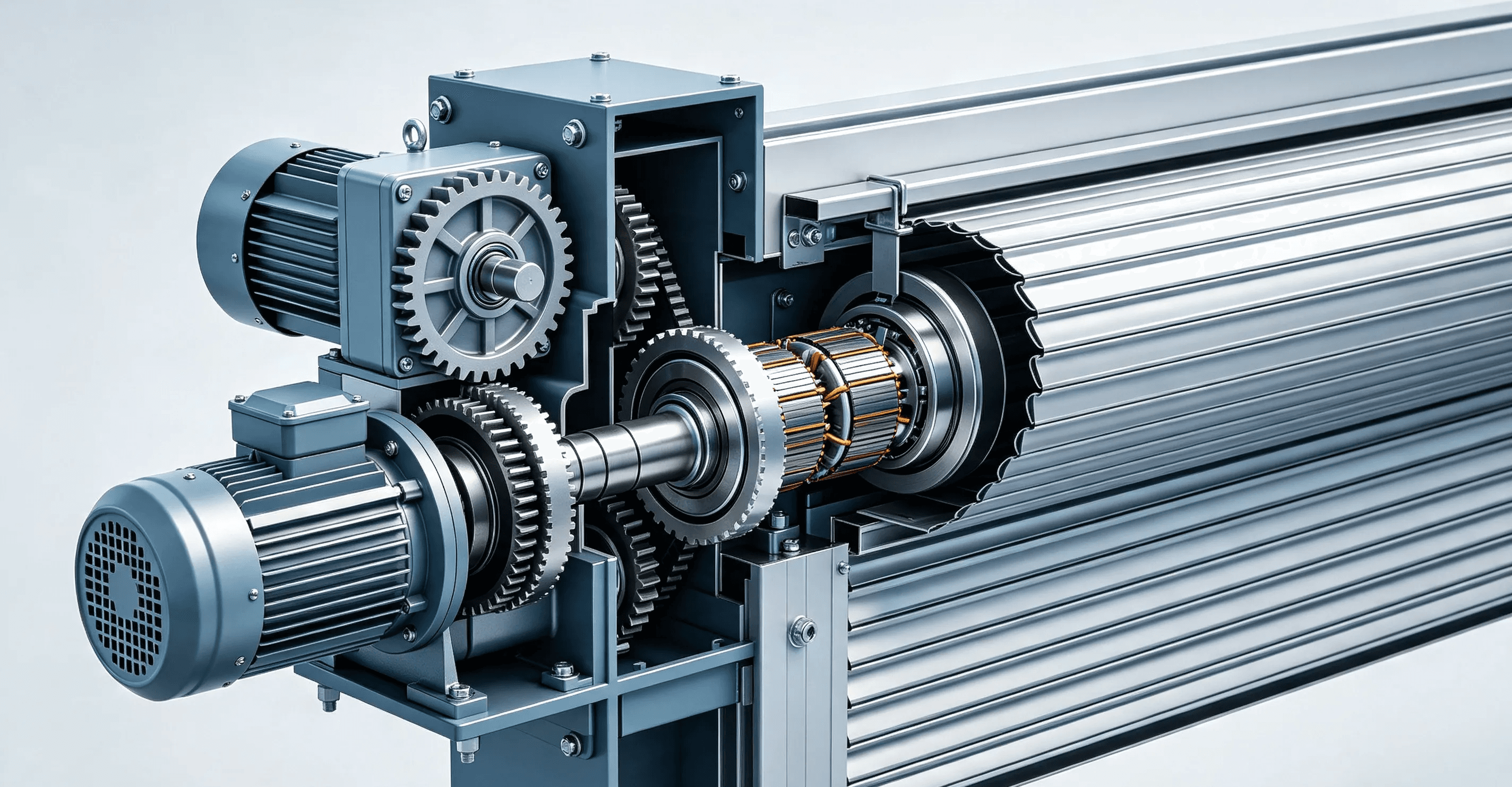
The operation of a roller shutter motor involves several stages, from receiving control signals to creating physical shutter movement.
Receiving Control Signals
The process begins when the motor receives an operating command from a control device.
Depending on the system design, the signal may come from a wall switch, remote control, automation controller, or other connected devices. After receiving the command, the motor system starts the operation according to the programmed settings.
The control method can influence user experience and system flexibility, especially in applications where remote operation or integration with other automation systems is required.
Converting Electrical Energy Into Mechanical Movement
After receiving the signal, the motor converts electrical energy into rotational force.
This rotational force provides the power needed to move the shutter. The motor must generate enough force to overcome the weight of the shutter curtain and the resistance within the mechanical structure.
A properly matched motor allows the shutter to move smoothly without excessive stress on the system. If the motor capacity is unsuitable, the shutter may experience unstable movement, increased wear, or reduced service life.
Driving the Shutter Through the Mechanical System
The motor does not directly move the shutter curtain. Instead, it works together with mechanical components such as the shaft and supporting structure.
The motor rotates the drive mechanism, which transfers movement to the shutter shaft. The shaft then controls the rolling movement of the shutter curtain during opening and closing.
This cooperation between electrical and mechanical components allows the system to achieve controlled and reliable movement.
Main Components of a Roller Shutter Motor System
A complete roller shutter automation solution includes more than just the motor unit. Several components work together to ensure smooth operation and reliable performance.
Motor Unit
The motor unit is the primary power source of the shutter system.
Its main function is to generate the rotational force required for movement. The required motor capability depends on factors such as shutter weight, size, operating cycles, and application environment.
For residential applications, compact motors may be suitable because the shutters are usually smaller and operated less frequently. Commercial and industrial applications often require stronger motor solutions due to higher loads and more demanding working conditions.
Gearbox System
The gearbox system plays an important role in transferring and adjusting the motor output.
Because roller shutters often require controlled movement rather than simple high-speed rotation, the gearbox helps manage speed and increase usable driving force.
A properly designed gearbox allows the motor to operate efficiently while maintaining stable shutter movement. This is especially important for larger shutters where load control and reliability are critical.
Limit Switch System
The limit switch system controls the stopping positions of the shutter.
During operation, the system needs to know when the shutter has reached its fully opened or fully closed position. Limit switches help prevent unnecessary motor operation and reduce stress on mechanical components.
Reliable limit control improves daily operation and helps maintain consistent performance over time.
Shaft Connection and Mechanical Transmission
The shaft connection is an important part of the roller shutter motor system because it transfers the rotational force generated by the motor to the shutter curtain.
During operation, the motor creates rotational movement, which is transmitted through the shaft mechanism to lift or lower the shutter. The efficiency of this transmission process directly affects how smoothly the shutter operates.
A properly matched shaft and motor combination helps reduce unnecessary resistance and mechanical stress. If the motor, shaft, and shutter structure are not properly coordinated, the system may experience uneven movement, increased noise, or additional wear on mechanical components.
For this reason, roller shutter motor selection should always consider the complete mechanical structure instead of evaluating the motor separately.
Different Types of Roller Shutter Motors
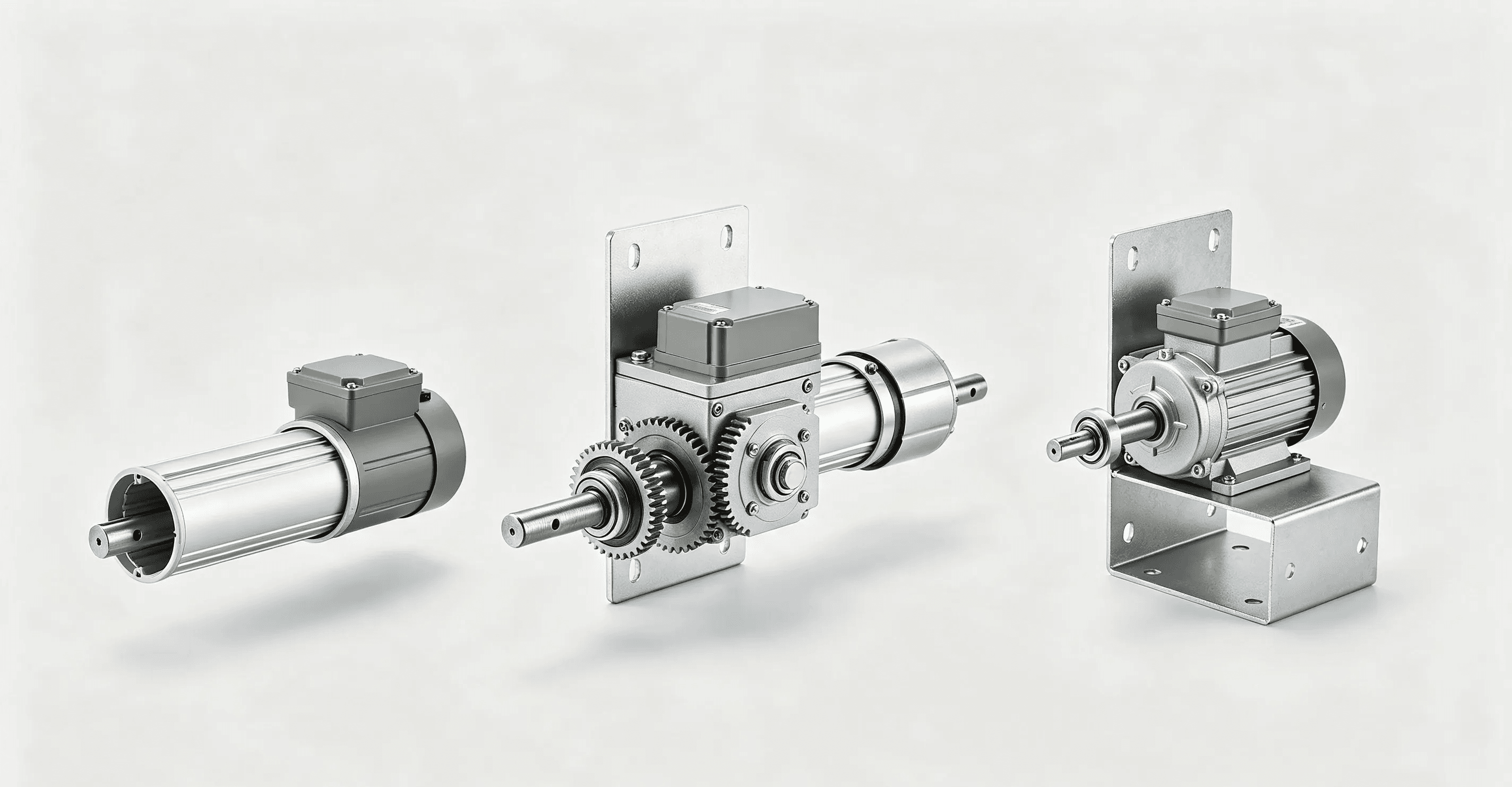
Different roller shutter applications require different motor designs. The most suitable motor type depends on factors such as shutter size, installation method, load requirements, and operating conditions.
Tubular Motors
Tubular motors are commonly used for smaller and medium-sized roller shutter applications where compact installation is important.
These motors are usually installed inside the shutter tube, allowing them to maintain a clean appearance while providing automated movement. Their compact structure makes them suitable for residential shutters, blinds, and other applications where installation space is limited.
For applications with lower operating frequency and moderate loads, tubular motors can provide an efficient and practical automation solution.
Central Motors
Central motors are often used for larger roller shutter systems that require stronger driving capability.
Unlike tubular motors, central motors are installed in the center of the shutter shaft system and are designed to handle higher loads. They are commonly found in commercial and larger shutter applications where stability and durability are important.
When selecting a central motor, factors such as shutter weight, operating frequency, and mechanical balance should be considered to ensure reliable performance.
Side Motors
Side motors are typically used for heavy-duty roller shutter applications that require higher load capacity.
These motors are installed on the side of the shutter system and are commonly used in larger commercial or industrial environments. Their design allows them to provide strong driving force for larger shutters that experience frequent operation.
For demanding applications such as warehouses and industrial facilities, side motors can provide the durability and performance required for long-term operation.
Factors Affecting Roller Shutter Motor Performance
The performance of a roller shutter motor depends on more than just the motor specification. Several external factors can influence how effectively the complete system operates.
Shutter Weight and Size
The weight and dimensions of the shutter directly affect the workload placed on the motor.
Larger and heavier shutters require motors with greater driving capability to maintain smooth movement. However, the actual requirement also depends on other factors, including shutter structure, shaft design, and mechanical balance.
Selecting a motor based only on shutter size without considering the complete system may result in unsuitable performance.
Operating Frequency
The number of daily operating cycles can significantly influence motor requirements.
A residential shutter that operates only a few times per day has different needs compared with a commercial or industrial shutter that opens and closes continuously throughout working hours.
Motors used in high-frequency applications need to provide consistent performance while managing repeated operation over extended periods.
Installation Environment
Environmental conditions can also affect motor reliability.
Outdoor and industrial applications may expose motors to temperature changes, dust, moisture, and other challenging conditions. Selecting a motor suitable for the installation environment helps reduce potential reliability issues and maintenance requirements.
A complete evaluation of operating conditions allows suppliers and installers to choose solutions that better match real application needs.
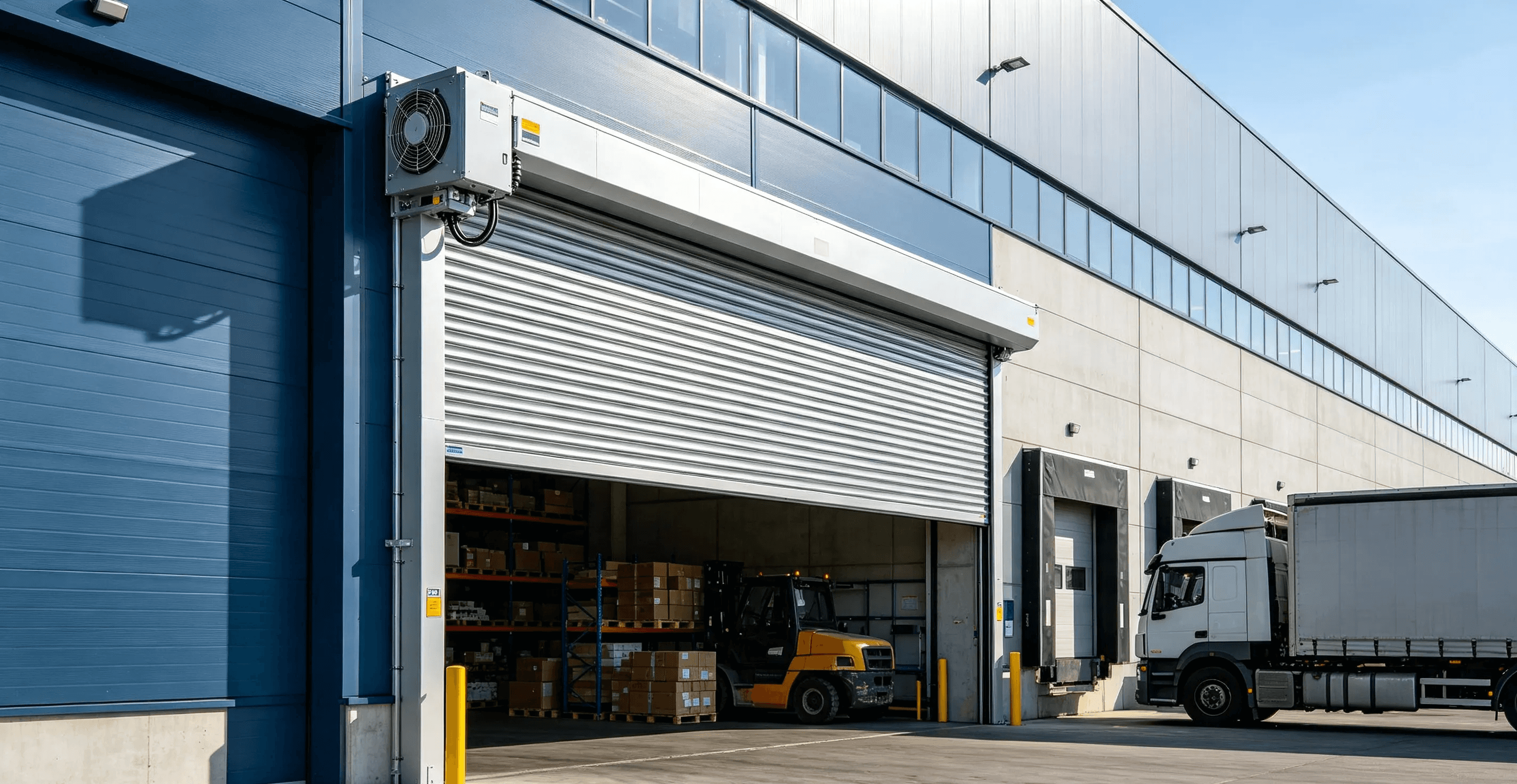
Why Proper Roller Shutter Motor Selection Matters
A correctly selected roller shutter motor helps create a more balanced and reliable automation system.
When the motor matches the shutter requirements, the system can operate with reduced mechanical stress and improved movement consistency. This not only supports daily performance but also helps extend the service life of other components.
Choosing the right motor also helps improve maintenance efficiency. A motor operating within its intended conditions is less likely to experience problems caused by overload, unsuitable application conditions, or excessive operating demands.
For installers, distributors, and project suppliers, motor selection should focus on creating a complete and reliable shutter solution rather than simply choosing the highest-capacity option.
Frequently Asked Questions
Can a roller shutter motor be installed on an existing manual shutter?
Yes. Many manual roller shutters can be upgraded with motorized operation if the shutter structure, shaft system, and mechanical condition are suitable for automation.
Why does a roller shutter motor stop working suddenly?
Common causes may include electrical issues, control system problems, mechanical resistance, or motor overload caused by unsuitable operating conditions.
How can I know which roller shutter motor type is suitable for my project?
The correct motor type depends on factors such as shutter size, weight, installation structure, operating frequency, and application environment.
Are roller shutter motors suitable for outdoor installation?
Some roller shutter motors are designed for outdoor applications, but selection should consider environmental exposure, protection requirements, and installation conditions.
Do roller shutter motors require regular maintenance?
Yes. Regular inspection of the motor, mechanical components, and control system helps maintain reliable operation and identify potential issues early.
Conclusion
Roller shutter motors are the driving core of automated shutter systems, converting electrical energy into controlled mechanical movement.
Understanding how motors work, how different motor designs are used, and which factors influence performance can help installers and suppliers make more suitable decisions for different projects.
A reliable roller shutter system depends on the coordination between the motor, shutter structure, control components, and installation environment. By selecting a properly matched motor solution, businesses can achieve smoother operation, improved reliability, and longer service life.
Other Blogs


