Blog
How to Choose the Right Roller Shutter Motor: Torque, Weight, and Application Guide
Author
Ray
Published
Category
Design & Inspiration
Professional guidance on roller shutter motor selection, covering torque, key influencing factors and application requirements for residential, commercial and industrial roller shutters.

Author
Ray
An experienced automation specialist with a strong background in motor technology and industrial solutions. With years of expertise in central motors, tubular motors, and automation systems, the author is dedicated to sharing insights that connect engineering innovation with real-world applications. Passionate about advancing reliable, energy-efficient, and high-performance automation products for global markets.
What’s better than insider perks, pro tips, and surprises?
Sign up to get the most recent blog articles in your email every week.
Join now.
WHY I WRITE THIS
About my business
Our company’s main product lines include tubular motors, sliding gate motors, swing gate motors, roller shutter motors, and other door automation solutions, all manufactured by trusted partner factories we have worked with for many years.
Our Services
I help them with sales and export operations, while our company also provides sourcing and procurement services in China to help international clients solve supply-related challenges. If you need assistance with procurement, please feel free to contact us.
Introduction
Selecting the right roller shutter motor is an important step in creating a reliable automated shutter system. Although the motor is responsible for providing the power required to open and close the shutter, its performance depends largely on whether it is properly matched with the actual application requirements.
A motor that does not provide enough power may struggle to move the shutter smoothly, while a motor with excessive capacity may increase unnecessary costs without improving overall system performance. For this reason, motor selection should consider several factors, including shutter weight, size, operating frequency, and installation environment.
For installers, distributors, and project suppliers, understanding how these factors influence motor requirements can help create more stable automation solutions. A properly selected roller shutter motor not only improves daily operation but also helps reduce mechanical stress and extend the service life of the complete shutter system.
Why Choosing the Right Roller Shutter Motor Matters
A roller shutter motor is more than just a component that provides movement. It needs to work together with the shutter curtain, shaft, control system, and other mechanical parts to achieve smooth and reliable operation.
During each opening and closing cycle, the motor must generate enough force to lift the shutter while maintaining controlled movement throughout the process. If the motor capacity does not match the shutter requirements, the system may experience unstable operation, increased wear, or reduced efficiency over time.
However, selecting a motor does not simply mean choosing the highest power option available. A suitable motor should provide enough performance for the application while maintaining an efficient balance between power, durability, and operating requirements.
This is why professional motor selection focuses on understanding the complete shutter system rather than evaluating motor specifications alone.
Understanding Torque Requirements for Roller Shutter Motors
What Is Motor Torque?
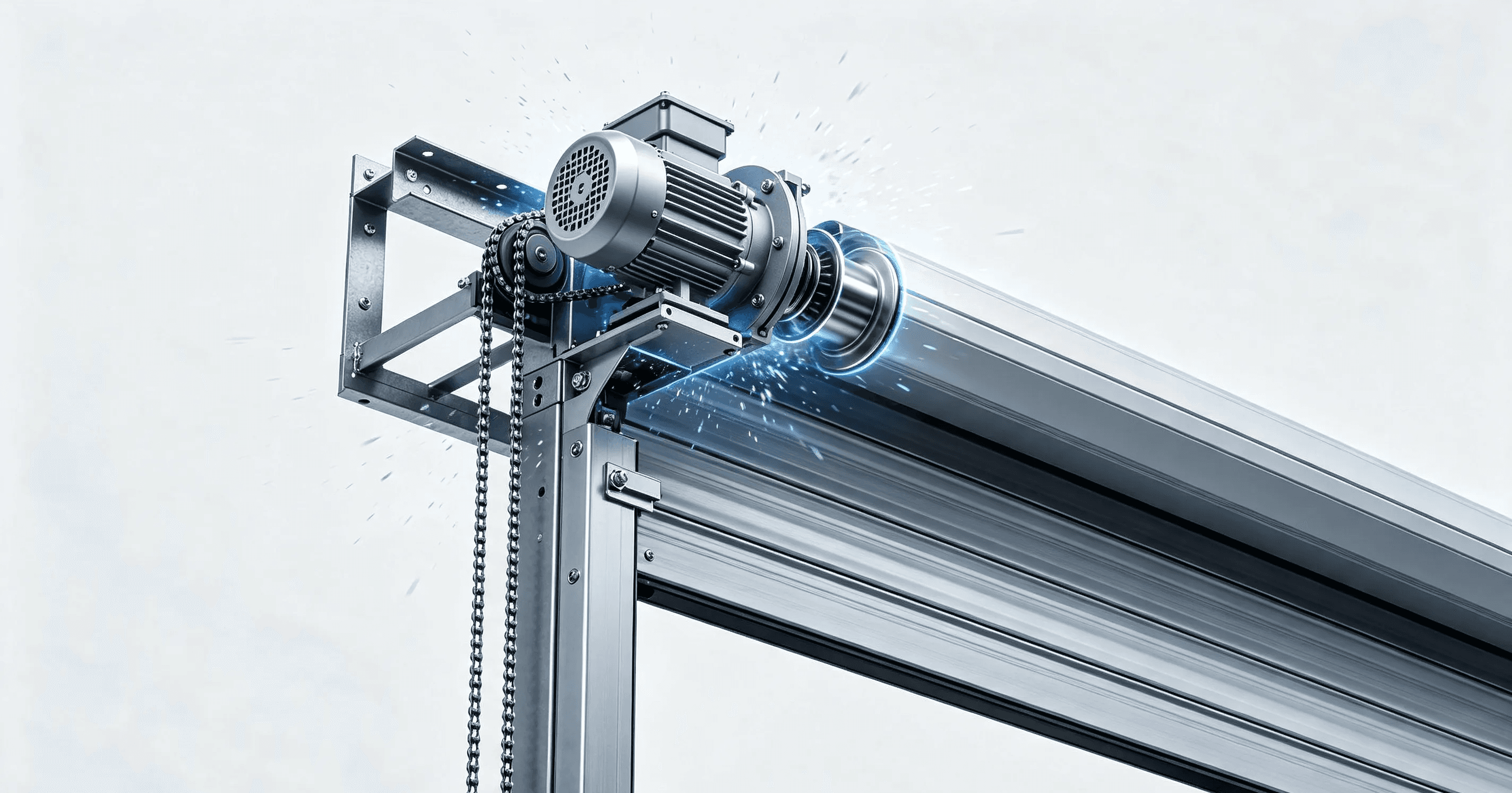
Torque is one of the most important specifications when selecting a roller shutter motor. It refers to the rotational force produced by the motor to drive the shutter mechanism and control movement.
In an automated rolling shutter system, the motor needs sufficient torque to overcome the weight of the shutter curtain and the resistance created by the mechanical structure. As shutter size and weight increase, the motor generally requires greater torque capacity to maintain stable operation.
However, torque requirements are not determined by weight alone. Factors such as shutter dimensions, shaft design, installation method, and operating conditions can also influence the actual force needed during operation.
Understanding torque allows buyers to select motors based on real application requirements instead of relying only on general assumptions.
How Shutter Weight Affects Motor Selection
The weight of the shutter is one of the primary factors that determines motor requirements.
A small residential rolling shutter usually has lower load requirements and may work well with a compact motor solution. In comparison, commercial and industrial shutters are often larger and heavier, requiring motors with stronger driving capability.
Choosing a motor with insufficient torque can place additional stress on the system because the motor needs to work harder to move the shutter. Over time, this may affect operating stability and increase maintenance requirements.
At the same time, selecting a motor with significantly higher capacity than necessary may not provide additional advantages if the rest of the shutter system is not designed to handle that performance level.
A balanced selection process ensures that the motor capacity matches the actual shutter load and expected working conditions.
Key Factors Affecting Roller Shutter Motor Selection
Shutter Size and Mechanical Structure
The physical design of the shutter system directly affects motor selection.
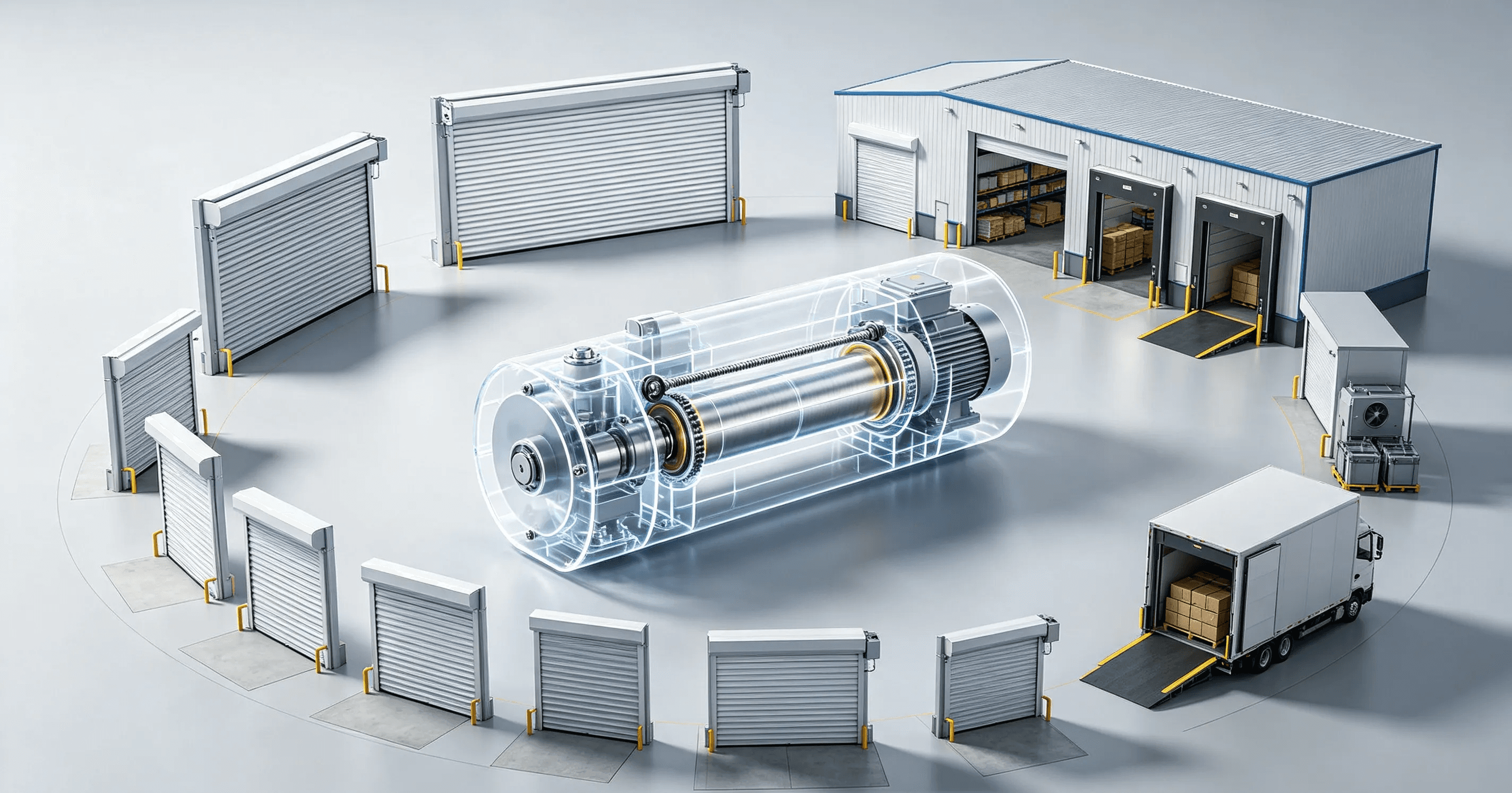
Larger shutters usually require more driving force because the motor needs to control a greater amount of material during operation. However, the overall mechanical structure also plays an important role. Components such as the shaft, guides, and supporting system can influence how much force is required for smooth movement.
For this reason, motor selection should not focus only on the shutter weight. Evaluating the complete mechanical structure helps ensure that the selected motor can operate efficiently within the entire system.
Operating Frequency and Daily Usage
The expected operating frequency is another important consideration when choosing a roller shutter motor.
A shutter installed in a residential environment may only operate several times each day, while a shutter used in a commercial building, warehouse, or industrial facility may experience continuous operation throughout working hours.
Frequent operation creates higher demands on motor durability, heat management, and long-term reliability. A motor selected for heavy usage should be able to maintain consistent performance even under repeated operating cycles.
Understanding the actual usage pattern helps ensure that the motor is suitable not only for the initial installation but also for long-term operation.
Installation Environment
The surrounding environment can also influence roller shutter motor performance.
Indoor applications generally experience more controlled conditions, while outdoor and industrial installations may face challenges such as temperature changes, dust, moisture, or other external factors.
A suitable motor solution should be selected according to where the shutter will operate and what environmental conditions it needs to handle. Considering these factors during the selection process can help reduce potential reliability issues and improve service life.
Power Supply and Control Compatibility
The motor must also work properly with the control system and electrical requirements of the complete shutter solution.
Modern rolling shutter systems may include different control methods, such as wall switches, remote controls, or integration with larger automation systems. The motor should be compatible with these control components to ensure smooth operation and reliable response.
By considering both mechanical requirements and control compatibility, installers and project suppliers can create more complete and practical automation solutions.
Selecting the Right Roller Shutter Motor for Different Applications
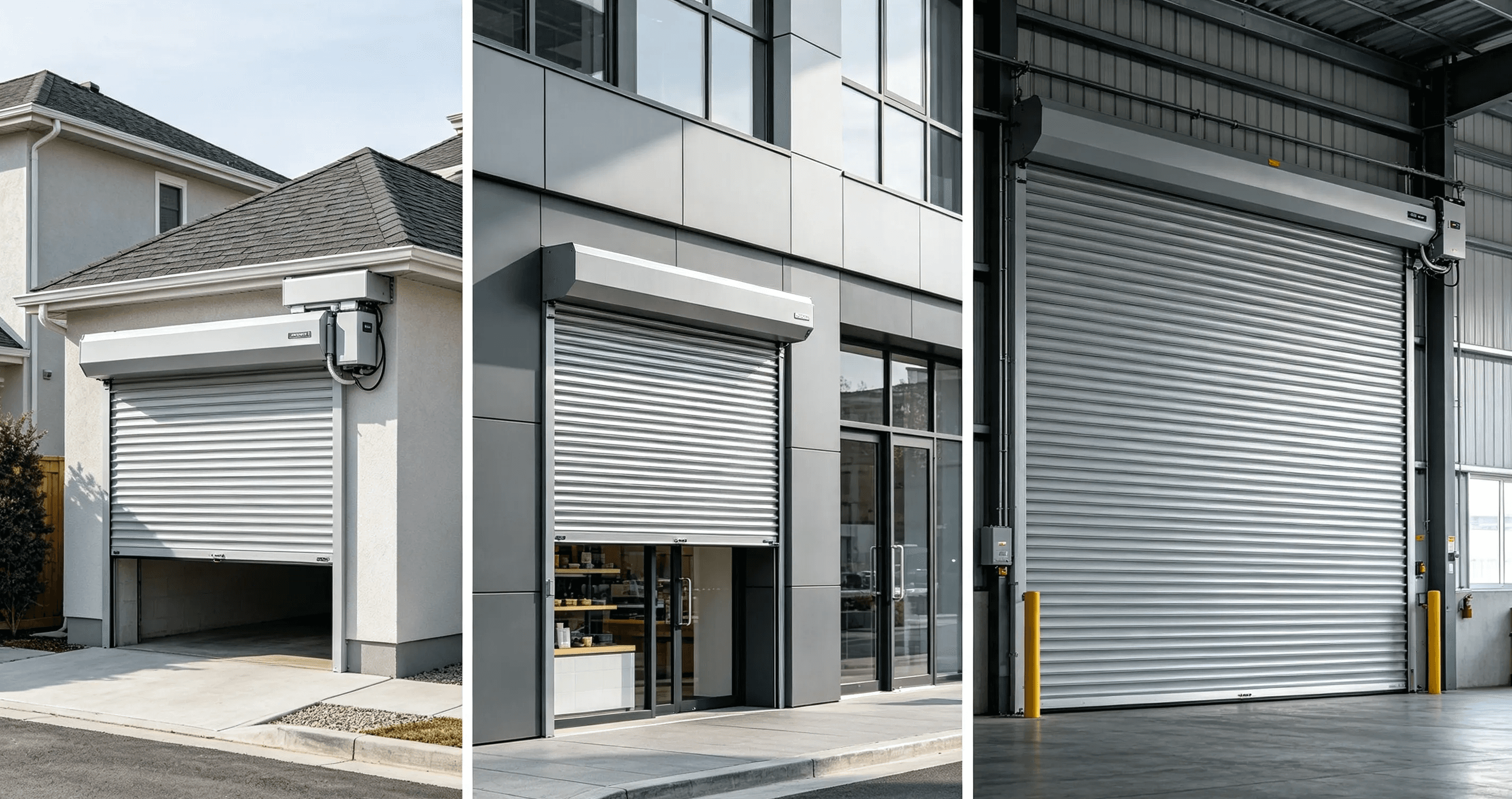
Different roller shutter applications have different requirements. A motor solution suitable for a small residential shutter may not provide the same performance when used in a commercial or industrial environment.
Understanding the application conditions helps suppliers and installers choose a motor that can provide reliable operation while meeting the expected workload.
Residential Roller Shutter Applications
Residential roller shutters usually focus on convenience, smooth operation, and compact installation.
In these applications, shutters are generally smaller and operate less frequently compared with commercial or industrial systems. Therefore, motor selection often focuses on providing sufficient power while maintaining quiet operation and efficient use of space.
A properly selected motor can help homeowners achieve reliable automated control without requiring unnecessary system complexity. Factors such as shutter size, available installation space, and expected daily usage should still be considered to ensure suitable performance.
Commercial Roller Shutter Applications
Commercial environments usually place higher demands on shutter automation because doors may be operated more frequently throughout the day.
Retail stores, garages, and commercial facilities often require shutters that balance security, accessibility, and operational efficiency. In these situations, the motor needs to provide consistent performance during repeated opening and closing cycles.
Selecting a motor for commercial applications requires consideration of both the shutter load and expected usage frequency. A solution that is properly matched to the working conditions can help reduce interruptions and maintain stable operation during daily business activities.
Industrial Roller Shutter Applications
Industrial environments often involve larger shutters, heavier loads, and more demanding operating conditions.
Warehouses, factories, and logistics facilities may use rolling shutters that need to operate frequently while handling larger dimensions and increased mechanical stress. In these applications, motor durability and load capacity become especially important.
For industrial projects, motor selection should be evaluated together with the complete shutter system. Factors such as operating cycles, environmental exposure, and integration with other automation equipment all influence the final choice.
A suitable industrial motor solution can help improve reliability and support long-term operation in demanding environments.
Common Mistakes When Choosing a Roller Shutter Motor
Choosing a roller shutter motor based only on basic specifications is one of the most common mistakes during the selection process.
A motor with higher power does not always mean better performance. If the motor is not properly matched with the shutter structure and operating requirements, it may result in inefficient operation or unnecessary costs.
Another common issue is ignoring the actual working environment. A motor used in a high-frequency industrial application needs different performance characteristics compared with a motor installed in a low-use residential shutter.
Some projects also focus mainly on the initial purchase cost while overlooking long-term reliability. A lower-cost solution may not always provide the durability required for frequent operation, which can lead to higher maintenance needs over time.
For this reason, motor selection should consider the complete application, including current requirements and future operating expectations.
How Proper Motor Selection Improves System Reliability
A correctly selected roller shutter motor helps create a more balanced and reliable automation system.
When the motor capacity matches the shutter requirements, the system can operate more smoothly with reduced mechanical stress on other components. This can improve movement consistency, reduce unnecessary wear, and support longer service life.
Proper selection also helps improve maintenance efficiency. A motor operating within its intended conditions is less likely to experience performance issues caused by overload or unsuitable application conditions.
For installers, distributors, and project suppliers, choosing the right motor is not only about achieving immediate operation. It is about creating a solution that can continue performing reliably throughout the expected service period.
Frequently Asked Questions
Q1: How do I calculate the required torque for a roller shutter motor?
The required torque depends on several factors, including shutter weight, dimensions, shaft design, and mechanical resistance. These factors should be evaluated together rather than relying only on shutter weight.
Q2: Can one roller shutter motor be used for different shutter sizes?
Not always. Different shutter sizes and weights create different load requirements. A motor suitable for one application may not provide sufficient performance for another.
Q3: What happens if a roller shutter motor is too small for the shutter?
A motor with insufficient capacity may struggle during operation, experience increased stress, and potentially have a shorter service life due to continuous overload conditions.
Q4: Are industrial roller shutter motors different from residential shutter motors?
Yes. Industrial applications usually involve larger shutters, higher operating frequency, and more demanding environments, which often require motors with stronger performance and durability.
Q5: Does the installation environment affect motor selection?
Yes. Environmental conditions such as temperature changes, dust, and moisture can influence motor reliability. The selected motor should be suitable for the conditions where the shutter will operate.
Conclusion
Choosing the right roller shutter motor requires a clear understanding of the relationship between motor performance and application requirements.
Factors such as shutter weight, torque requirements, operating frequency, installation environment, and system compatibility all influence whether a motor can provide reliable long-term performance.
For residential, commercial, and industrial applications, the most suitable motor is not necessarily the most powerful option, but the one that matches the actual needs of the shutter system.
As an experienced automation solution provider, China Develop focuses on providing reliable door and shutter automation products for different application scenarios. By offering suitable motor solutions and supporting complete system requirements, China Develop helps distributors, installers, and project partners build efficient and dependable automation systems.
Other Blogs


