Blog
Automatic Gate Opener Types: Sliding, Swing, and Barrier Gate Solutions Explained
Author
Ray
Published
Category
Design & Inspiration
Explore different automatic gate opener types, including sliding, swing, and barrier gate systems. Learn their applications, advantages, and how to choose the right solution for different access requirements.

Author
Ray
An experienced automation specialist with a strong background in motor technology and industrial solutions. With years of expertise in central motors, tubular motors, and automation systems, the author is dedicated to sharing insights that connect engineering innovation with real-world applications. Passionate about advancing reliable, energy-efficient, and high-performance automation products for global markets.
What’s better than insider perks, pro tips, and surprises?
Sign up to get the most recent blog articles in your email every week.
Join now.
WHY I WRITE THIS
About my business
Our company’s main product lines include tubular motors, sliding gate motors, swing gate motors, roller shutter motors, and other door automation solutions, all manufactured by trusted partner factories we have worked with for many years.
Our Services
I help them with sales and export operations, while our company also provides sourcing and procurement services in China to help international clients solve supply-related challenges. If you need assistance with procurement, please feel free to contact us.
Introduction
Automatic gate openers are an important part of modern access automation systems, providing convenient and controlled movement for residential, commercial, and industrial entrances.
Although different gate openers serve the same basic purpose of automating gate movement, their structures and operating methods can vary significantly. Sliding gate openers, swing gate openers, and barrier gate systems are designed for different applications depending on gate design, available space, usage frequency, and access requirements.
Choosing the right type of gate opener is important for achieving stable operation and long-term reliability. A suitable solution should match not only the gate structure but also the expected working conditions and future automation needs.
For installers, distributors, and project suppliers, understanding the differences between different automatic gate opener types helps create more practical and efficient access solutions.
What Is an Automatic Gate Opener?
An automatic gate opener is a motorized device designed to control the opening and closing movement of a gate.
Unlike manual gates, automatic gate systems use motors, controllers, and safety components to perform movement automatically. When a user sends a signal through a remote control, access device, or sensor, the opener activates the gate according to the programmed settings.
Main Components of a Gate Opener System
A complete automatic gate opener system usually includes a motor unit, control board, power supply, and safety accessories.
The motor provides the force required to move the gate, while the control system manages operation commands and communication between different components.
Safety devices such as sensors and protection systems also play an important role in improving operational reliability and reducing risks during movement.
Why Gate Opener Type Matters
Different gates require different movement methods.
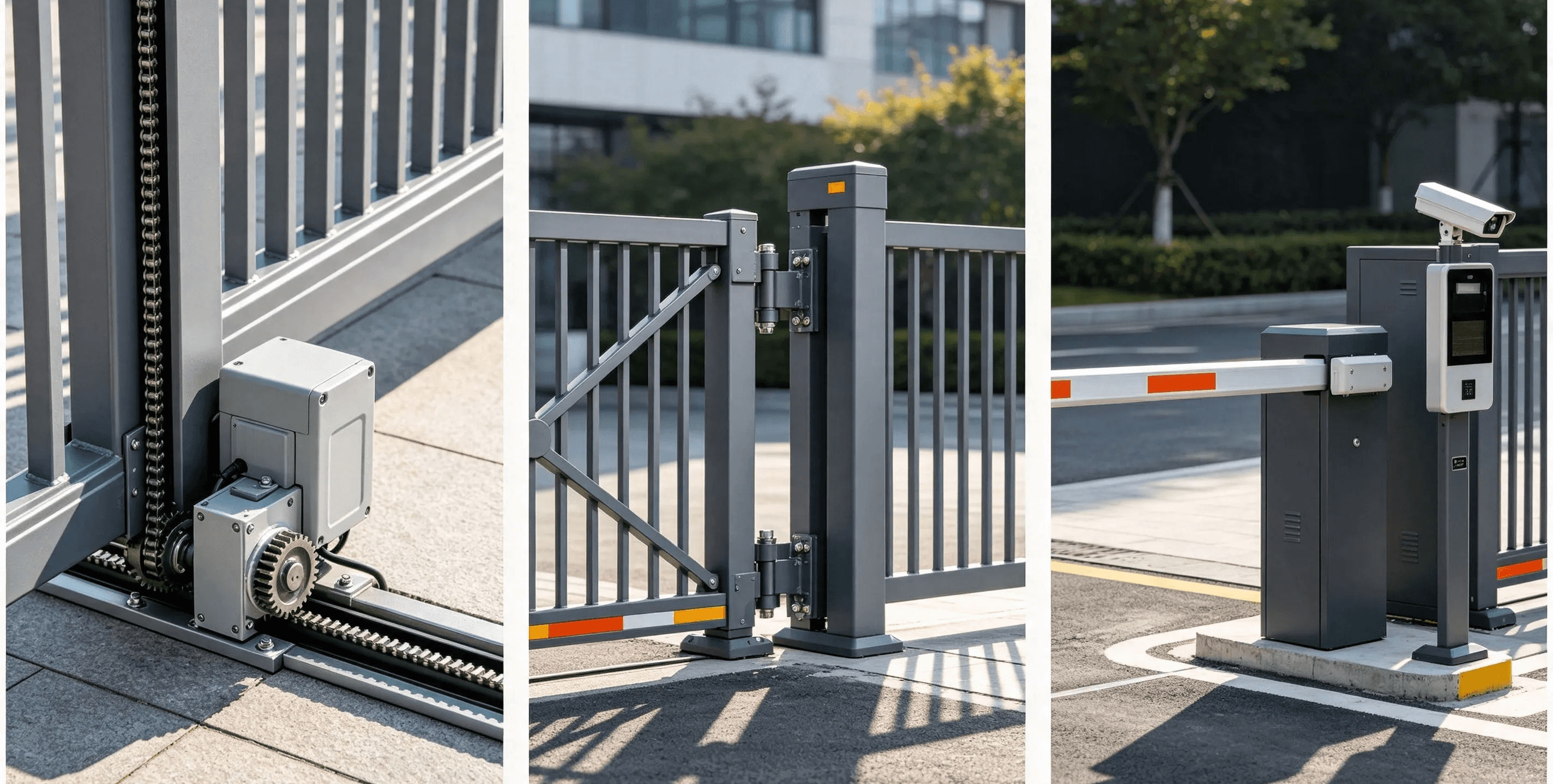
A sliding gate moves horizontally along a track, while a swing gate rotates around hinges. Barrier gates use a lifting arm mechanism mainly for vehicle access control.
Because these systems have different mechanical structures, selecting an unsuitable opener may lead to unstable operation, increased wear, or reduced service life.
Sliding Gate Openers
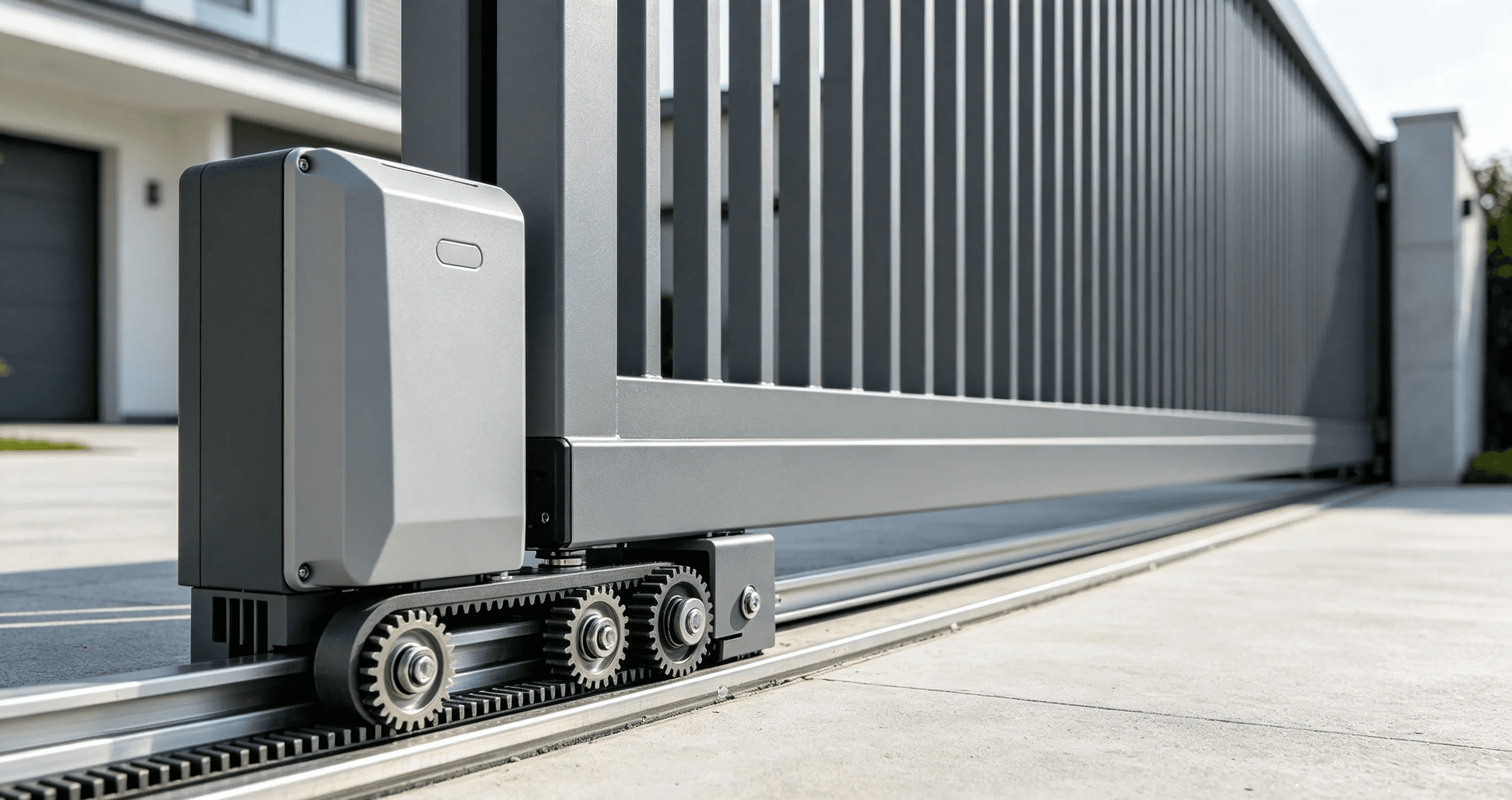
Sliding gate openers are designed for gates that move horizontally along a track.
How Sliding Gate Openers Work
A sliding gate opener uses a motor-driven gear mechanism to move the gate sideways.
The motor transfers power through the drive system, allowing the gate to move smoothly along the installed track. The opener needs to provide sufficient force to overcome gate weight and mechanical resistance.
Applications of Sliding Gate Openers
Sliding gate openers are commonly used in:
Residential entrances
Commercial properties
Parking areas
They are especially suitable where there is enough side space for the gate to open and close horizontally.
Advantages of Sliding Gate Openers
Sliding gate systems provide several benefits, including stable movement, efficient use of entrance space, and suitability for larger gates.
For heavier gates, sliding openers can provide reliable operation when properly matched with gate weight and operating requirements.
Swing Gate Openers
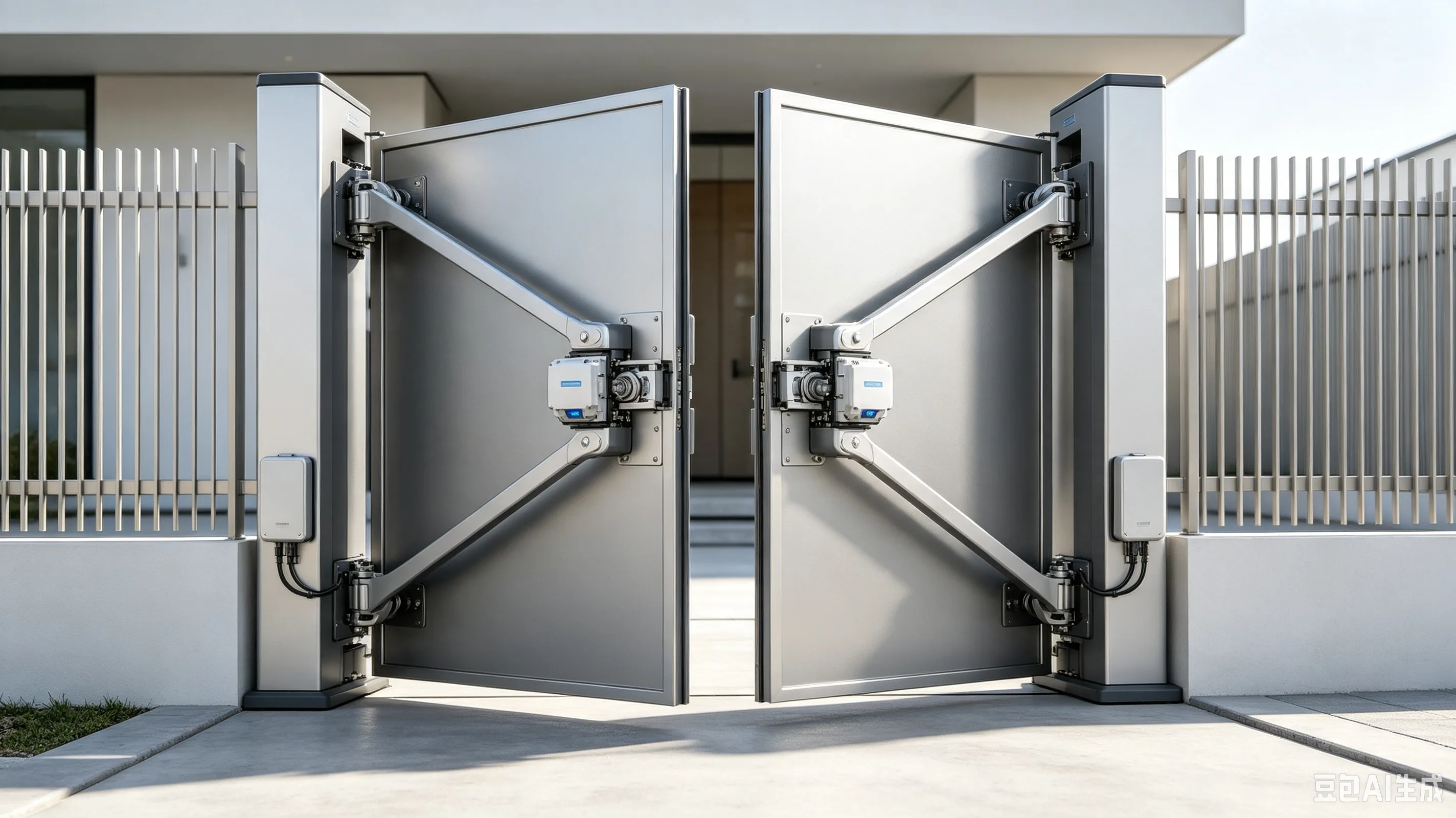
Swing gate openers are designed for gates that open and close through a rotating movement around fixed hinges.
How Swing Gate Openers Work
Swing gate openers use an actuator or motor mechanism to push or pull the gate panels during operation.
The opener needs to provide controlled movement while matching the gate size, weight, and hinge condition. A properly selected system helps maintain smooth operation and reduces unnecessary stress on the gate structure.
Applications of Swing Gate Openers
Swing gate openers are commonly used in residential entrances, villas, small commercial properties, and access points where traditional hinged gates are preferred.
Because these systems require space for the gate panels to swing open, installation conditions should be evaluated before selecting this type of solution.
Advantages of Swing Gate Openers
Swing gate systems are often chosen because they can be installed on existing hinged gates without requiring major structural changes.
They can provide convenient automatic operation while maintaining the traditional appearance of the gate design.
Barrier Gate Systems
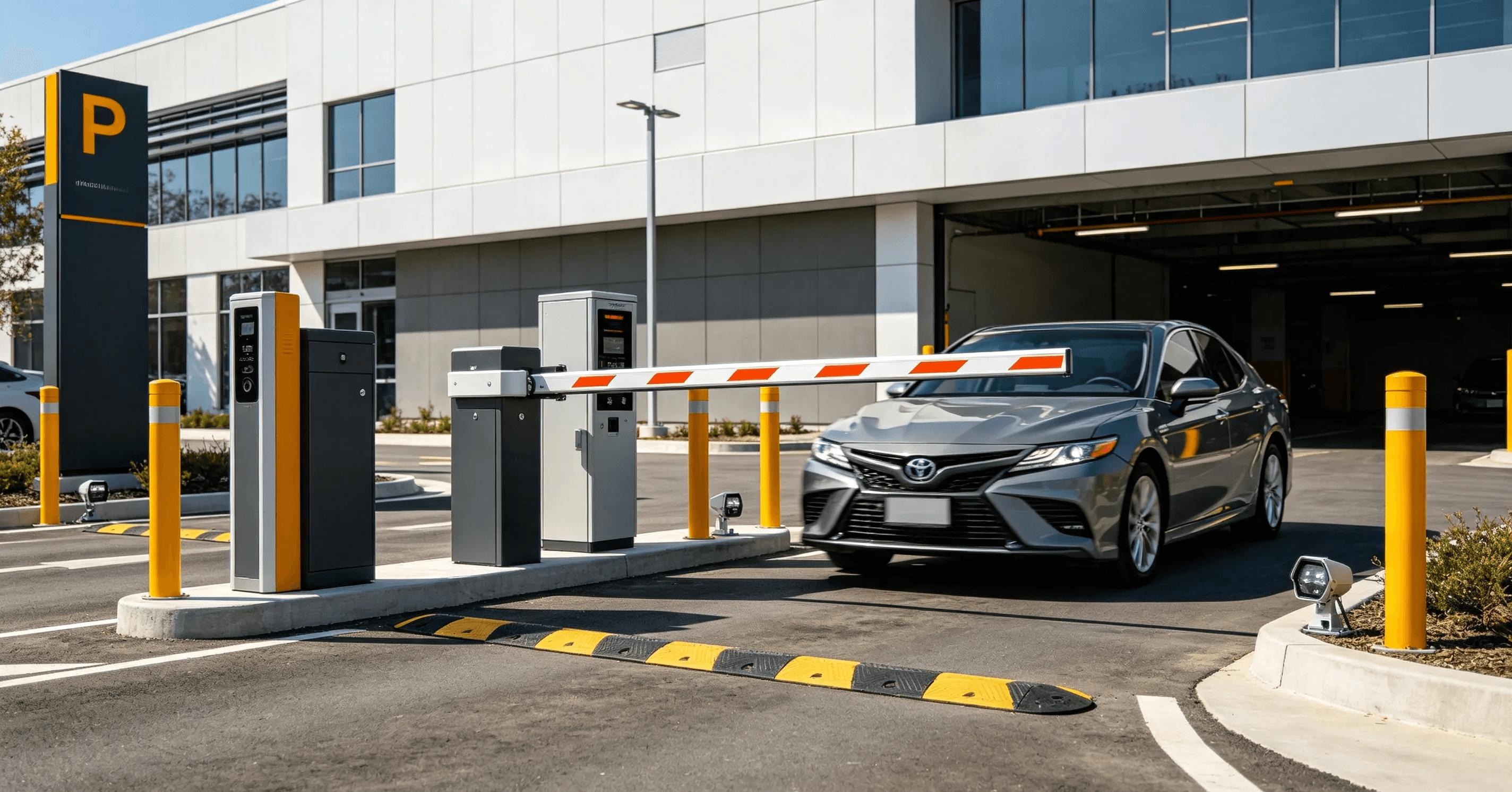
Barrier gate systems are mainly designed for vehicle access control applications.
How Barrier Gate Systems Work
Unlike sliding and swing gates, barrier gates control access through a lifting arm mechanism.
When an authorized signal is received, the motor activates the mechanism and raises or lowers the barrier arm. The system then controls vehicle movement according to programmed settings.
Applications of Barrier Gate Systems
Barrier gate systems are widely used in:
Parking facilities
Commercial entrances
Industrial sites
These applications usually require fast response, frequent operation, and reliable access management.
Advantages of Barrier Gate Systems
Barrier gates provide efficient vehicle control while requiring relatively limited installation space.
They are especially suitable for locations where quick vehicle entry and exit management is important.
Comparison Between Different Automatic Gate Opener Types
Different gate opener types are suitable for different applications.
Sliding Gate Opener vs Swing Gate Opener
Sliding gate openers are suitable for entrances with sufficient side space and are often preferred for larger gates.
Swing gate openers are better suited for hinged gates where traditional opening methods are required.
The choice depends mainly on gate structure, available space, and installation conditions.
Gate Openers vs Barrier Gate Systems
Gate openers such as sliding and swing solutions are mainly used for controlling complete gate structures.
Barrier gate systems are designed specifically for vehicle access management and are commonly used in parking and commercial environments.
Understanding these differences helps installers select a solution that matches the actual access requirements.
How to Choose the Right Automatic Gate Opener Type
Selecting the right gate opener requires evaluating the complete application rather than focusing on one specification.
Consider Gate Structure and Installation Space
The first step is identifying the gate type.
Sliding gates, swing gates, and barrier gates have different movement methods, meaning they require different automation solutions.
Available installation space is also important. For example, sliding gates require enough side clearance, while swing gates require sufficient opening space.
Evaluate Usage Frequency
The expected operating frequency affects opener selection.
Residential gates may only operate a few times per day, while commercial and industrial entrances may require continuous operation.
For higher-frequency applications, selecting a durable opener designed for repeated cycles helps improve long-term reliability.
Consider Safety and Control Requirements
Modern automatic gate openers often work together with remote controls, sensors, access devices, and other automation components.
A suitable solution should support effective communication between different components to improve safety and operational efficiency.
For commercial and industrial projects, future integration requirements should also be considered during selection.
Common Mistakes When Choosing an Automatic Gate Opener
One common mistake is selecting an opener based only on motor power.
A powerful motor does not always provide better performance if it is not compatible with the gate structure and operating environment.
Another mistake is ignoring installation conditions. A gate opener that works well in one application may not be suitable for another environment with different space limitations or workload requirements.
Some projects also overlook future needs. Choosing a flexible automation solution can make future upgrades easier and reduce replacement costs.
Frequently Asked Questions
Q: What are the main types of automatic gate openers?
A: The main types include sliding gate openers, swing gate openers, and barrier gate systems. Each type is designed for different gate structures and applications.
Q: Which gate opener is best for a large gate?
The best choice depends on gate structure, weight, and operating requirements. Sliding gate openers are often suitable for larger gates when enough side space is available.
Q: Are sliding gate openers better than swing gate openers?
Neither type is universally better. Sliding gate openers are suitable for horizontal movement systems, while swing gate openers are better for hinged gates.
Q: Can automatic gate openers be integrated with access control systems?
Yes. Many modern gate opener systems can work with remote controls, sensors, and access management devices.
Q: How often should an automatic gate opener be maintained?
Maintenance frequency depends on usage conditions. Regular inspection of motors, mechanical parts, and safety components helps maintain reliable operation.
Conclusion
Automatic gate opener types are designed for different access requirements and installation conditions.
Sliding gate openers, swing gate openers, and barrier gate systems each provide different advantages depending on gate structure, operating frequency, and application environment.
For installers, distributors, and project suppliers, selecting the right opener type requires evaluating the complete gate system rather than focusing only on motor specifications. A properly matched solution can improve reliability, safety, and long-term performance.
Other Blogs


