Blog
Automatic Door System Cost: Factors That Affect Pricing and Installation Budget
Author
Ray
Published
Category
Design & Inspiration
Understand automatic door system costs and the factors that affect pricing, installation budgets, components, maintenance, and how to choose the right solution for commercial projects.


Author
Ray
An experienced automation specialist with a strong background in motor technology and industrial solutions. With years of expertise in central motors, tubular motors, and automation systems, the author is dedicated to sharing insights that connect engineering innovation with real-world applications. Passionate about advancing reliable, energy-efficient, and high-performance automation products for global markets.
What’s better than insider perks, pro tips, and surprises?
Sign up to get the most recent blog articles in your email every week.
Join now.
WHY I WRITE THIS
About my business
Our company’s main product lines include tubular motors, sliding gate motors, swing gate motors, roller shutter motors, and other door automation solutions, all manufactured by trusted partner factories we have worked with for many years.
Our Services
I help them with sales and export operations, while our company also provides sourcing and procurement services in China to help international clients solve supply-related challenges. If you need assistance with procurement, please feel free to contact us.
Introduction
Automatic door systems have become a common solution for commercial buildings, retail stores, hospitals, hotels, offices, and public facilities. They improve accessibility, support smoother pedestrian flow, and provide a more convenient entrance experience.
However, the cost of an automatic door system is not determined by a single factor. The final budget depends on the door type, operator selection, sensors, materials, installation conditions, and project requirements.
For contractors, building owners, and project buyers, understanding what affects automatic door pricing can help create a more accurate budget and avoid unexpected costs during installation.
This guide explains the main factors that influence automatic door system costs and the key considerations when planning an installation project.
How Much Does an Automatic Door System Cost?
The cost of an automatic door system varies significantly depending on the application and configuration.
A basic entrance automation project may require fewer components, while larger commercial projects may need advanced operators, additional safety devices, customized door designs, and more complex installation work.
Instead of looking only at the initial equipment price, buyers should consider the complete project cost, including:
Automatic door equipment
Door operator and motor system
Sensors and safety components
Door materials
Installation work
Future maintenance requirements
A complete cost evaluation helps ensure that the selected system matches the building's operational needs.
Why Automatic Door Prices Vary
Automatic door prices vary because different projects have different performance requirements.
For example, a small office entrance may only require a standard automatic door solution, while a shopping center entrance may need a high-performance system designed for continuous daily operation.
Several factors influence the final price:
Type of automatic door
Door size and weight
Frequency of operation
Required safety features
Installation environment
Customization requirements
Choosing the right configuration is more important than simply selecting the lowest-priced option. A system that does not match the application may lead to higher maintenance costs and reduced reliability over time.
Main Cost Components of an Automatic Door System
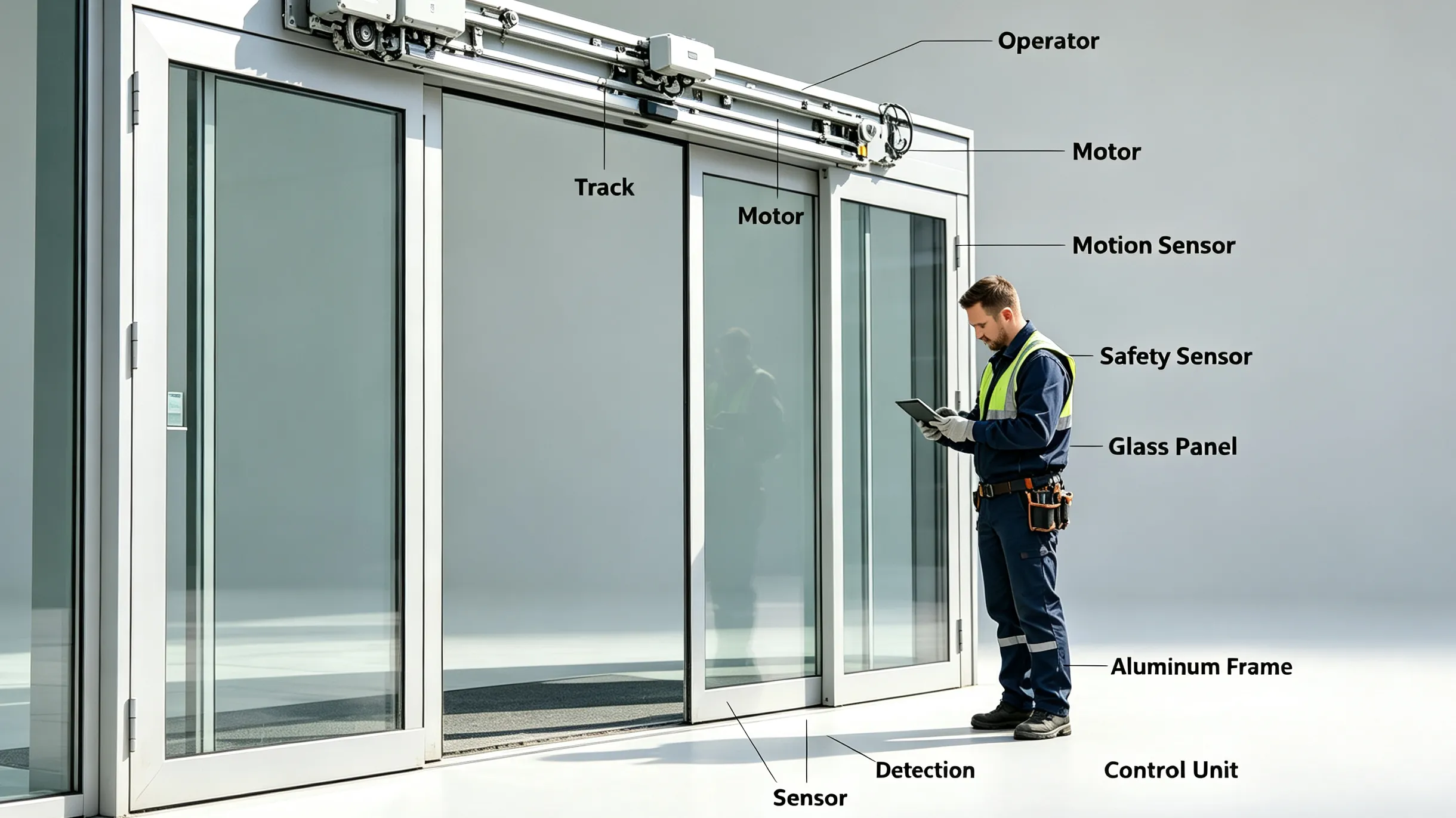
An automatic door system consists of multiple components that work together. Each component contributes to the overall project cost.
Door Operator and Motor System
The door operator is one of the most important parts of an automatic door system.
It controls the opening and closing movement and directly affects:
Operating speed
Reliability
Service life
Different applications may require different operator specifications. For example, a high-traffic commercial entrance may require a more durable operator compared with a low-use internal door.
Sensors and Safety Components
Sensors are essential for automatic door operation and user safety.
Depending on the application, a system may include:
Motion sensors
Safety sensors
Access control components
More advanced sensor configurations can increase system cost but may provide better safety, accessibility, and user experience.
Door Panels and Materials
The door structure and materials also affect the overall budget.
Common factors include:
Glass type
Door dimensions
Custom designs
Structural requirements
Larger doors or specialized materials usually require additional investment because they may need stronger operators and more complex installation methods.
Key Factors That Affect Automatic Door System Cost
Understanding the main pricing factors helps buyers make better decisions during project planning.
Door Type and System Design
The type of automatic door selected has a major impact on cost.
Common automatic door solutions include:
Sliding doors
Swing doors
Curved automatic doors
Heavy-duty commercial door systems
Sliding door systems are often selected for entrances with high pedestrian traffic because they provide smooth and efficient access.
Swing door operators are commonly used where existing hinged doors need to be automated or where installation space is limited.
The chosen design affects not only equipment cost but also installation requirements and long-term maintenance needs.
Door Operator and Motor Selection
The operator and motor configuration should match the door size, weight, and expected usage frequency.
Important selection factors include:
Door panel weight
Opening and closing cycles
Required durability
A system designed for frequent daily operation may require a more powerful and durable operator compared with a lower-frequency application.
Selecting an unsuitable motor or operator may increase wear on components and result in additional maintenance expenses. Therefore, buyers should evaluate long-term operating requirements rather than focusing only on the initial equipment price.
Key Factors That Affect Automatic Door System Cost (Continued)
Sensor and Safety Component Requirements
Sensors and safety devices play an important role in both automatic door performance and user protection.
The required sensor configuration depends on the application and building requirements.
Basic systems may only need an activation sensor to detect approaching users, while commercial entrances with higher traffic may require additional safety features.
Common sensor and safety components include:
Motion sensors
Presence detection sensors
Safety sensors
Emergency opening functions
For example, entrances in hospitals, airports, and public facilities may require more advanced safety configurations because they serve a wide range of users, including elderly people, children, and people with mobility limitations.
Although additional sensors and safety components may increase the initial investment, they can improve operational reliability and help meet project safety expectations.
Door Size and Material
The physical design of the automatic door also affects the overall project budget.
Larger or heavier doors usually require stronger operators, more durable mechanical components, and additional installation support.
Factors that influence cost include:
Door width and height
Glass thickness
Frame material
Number of door panels
Custom design requirements
For example, a standard commercial sliding door may use a common configuration, while a large entrance in a hotel or transportation facility may require a customized system with higher load capacity.
When planning a project, the door design should be evaluated together with the operator selection to ensure that all components work properly as a complete system.
Installation Complexity
Installation requirements can significantly affect the final automatic door system budget.
Even when two projects use similar door equipment, installation costs may vary because of differences in building conditions.
Factors that can increase installation complexity include:
Existing entrance modifications
Structural preparation work
Electrical wiring requirements
Limited installation space
Integration with access control systems
A new building project may allow automatic door systems to be included during the design stage, making installation planning easier.
However, upgrading an existing entrance often requires additional work, such as modifying the door frame, adjusting electrical connections, or adapting the structure to support new equipment.
Automatic Door Installation Cost Factors
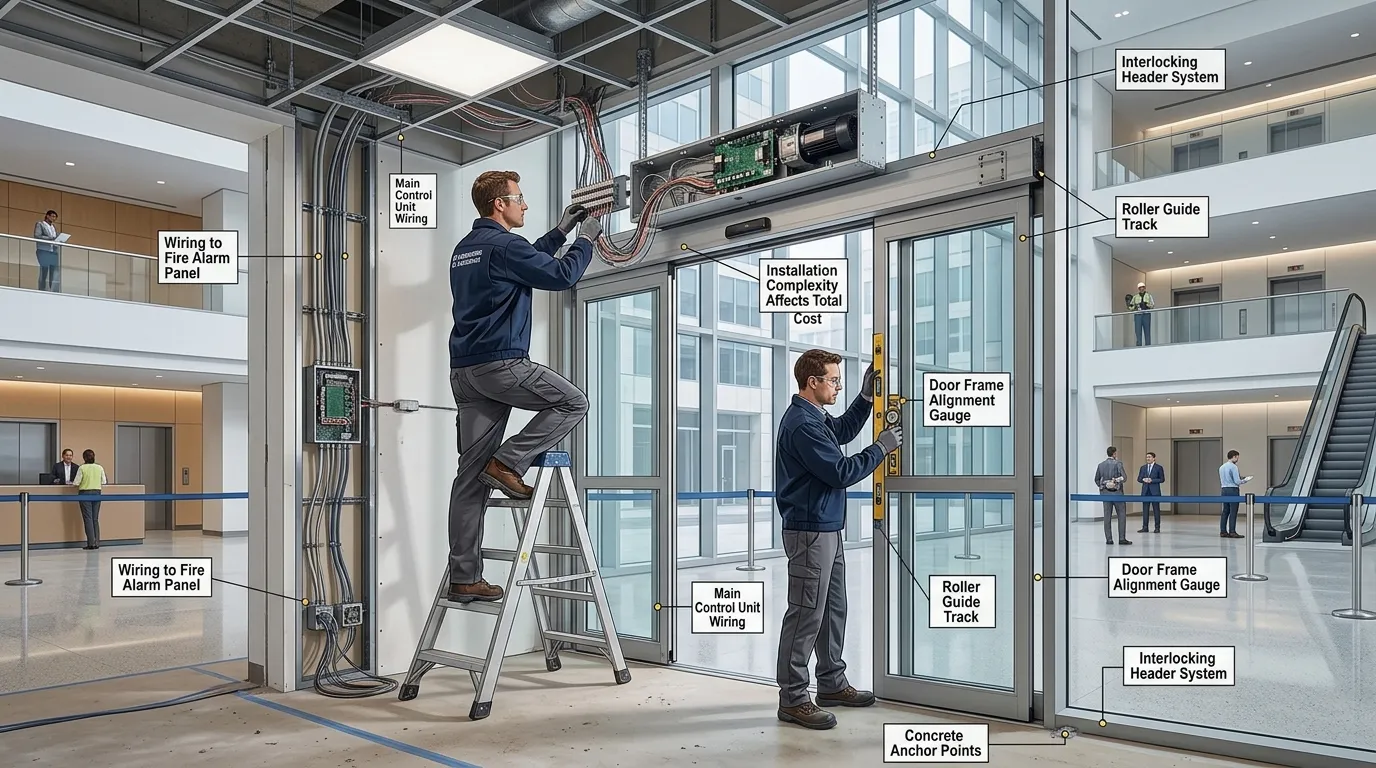
The equipment cost is only one part of the total budget. Installation requirements should also be considered when estimating the complete project investment.
New Installation vs Door Automation Upgrade
The cost difference between a new automatic door installation and an automation upgrade can be significant.
A new installation usually provides more flexibility because the entrance can be designed around the automatic door system from the beginning.
Advantages include:
Easier structural planning
Better equipment integration
More installation options
On the other hand, converting an existing manual door into an automatic system may require additional adjustments.
Common upgrade considerations include:
Existing door condition
Available mounting space
Door weight compatibility
Electrical preparation
Structural limitations
Before upgrading an existing door, a professional evaluation can help determine whether automation is practical and cost-effective.
Building Structure and Preparation Work
The condition of the installation site can directly influence labor requirements and project costs.
Important considerations include:
Wall and ceiling structure
Available space for the operator
Door frame condition
Surrounding building materials
For commercial projects, proper site preparation helps ensure smoother installation and reduces the possibility of unexpected modification costs.
A detailed site assessment before installation allows suppliers and contractors to identify potential challenges early.
Additional Costs to Consider
When planning an automatic door budget, buyers should consider not only installation expenses but also long-term ownership costs.
Maintenance and Replacement Parts
Automatic doors include mechanical and electronic components that require periodic inspection and maintenance.
Potential long-term costs may include:
Roller replacement
Operator maintenance
Control system adjustments
General servicing
A lower initial purchase price does not always mean lower overall cost. A reliable system with accessible replacement parts and professional support may provide better long-term value.
Customization and Project Requirements
Some commercial projects require customized solutions based on building design or operational needs.
Examples include:
Large entrance openings
Special door configurations
Integration with security systems
High-frequency operation requirements
Specific accessibility requirements
Customization can increase the project budget, but it may be necessary to achieve the required performance and reliability.
For contractors and project buyers, defining these requirements early can help avoid redesign costs and installation delays.
How to Choose an Automatic Door System Within Your Budget
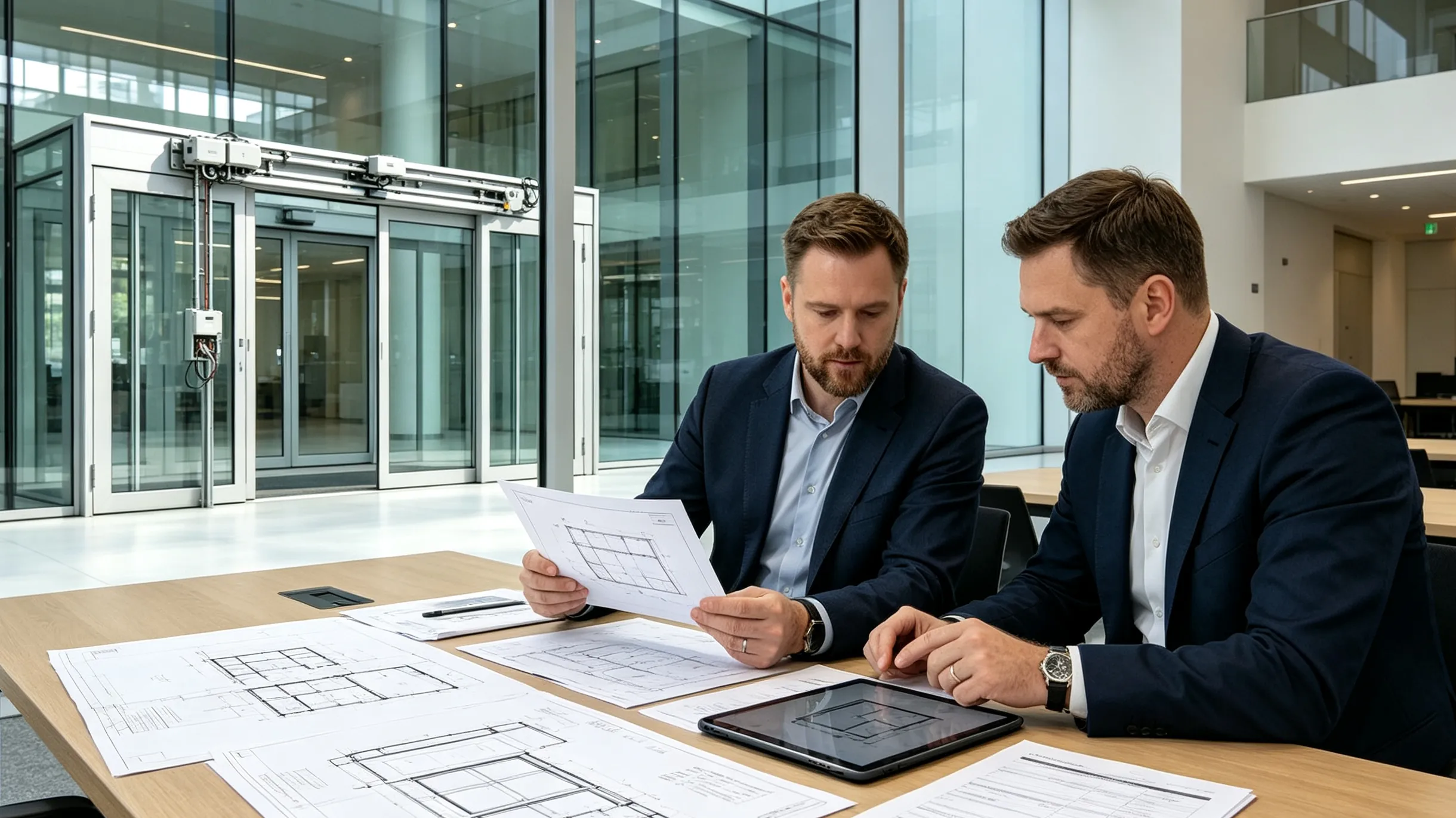
Selecting an automatic door system should not be based only on the lowest initial price. A suitable solution should balance equipment cost, installation requirements, operating performance, and long-term maintenance needs.
For commercial projects, the best choice is usually the system that provides reliable performance throughout its service life while meeting the specific requirements of the building.
Define Your Application Requirements
Before comparing prices, buyers should first understand what the automatic door system needs to achieve.
Important questions include:
Where will the door be installed?
How many people will use the entrance daily?
Is the door for a main entrance or an internal access point?
Are additional safety or accessibility features required?
What environmental conditions will affect operation?
For example, a busy retail entrance may require a durable sliding door system designed for frequent operation, while a small office entrance may need a simpler solution.
Clearly defining the application helps prevent selecting a system that is either over-designed or unsuitable for actual use.
Balance Initial Cost and Long-Term Value
The cheapest automatic door option is not always the most economical choice.
A lower-cost system may involve compromises in areas such as:
Component durability
Operating reliability
Maintenance requirements
Replacement part availability
For commercial buildings, long-term operating costs should be considered alongside the initial investment.
A reliable automatic door system can help reduce unexpected repairs, improve user experience, and maintain consistent entrance performance.
Work With an Experienced Supplier
Choosing the right supplier can have a significant impact on project success.
An experienced automatic door supplier can help with:
Technical recommendations
System configuration
Installation guidance
After-sales support
For contractors and project buyers, working with a supplier that understands different applications can make the purchasing process more efficient and reduce the risk of selecting an unsuitable system.
Common Mistakes When Budgeting for Automatic Doors
Planning an automatic door project requires more than comparing equipment prices. Several common mistakes can lead to higher costs or performance issues later.
Choosing the Cheapest Solution
Selecting the lowest-priced system without considering application requirements can create problems in the future.
A system that is not designed for the expected traffic level may experience:
Faster component wear
Frequent maintenance needs
Reduced reliability
The goal should be finding the right balance between cost, quality, and performance.
Ignoring Future Maintenance Costs
Some buyers focus only on the initial purchase and installation budget while overlooking long-term expenses.
Future costs may include:
Replacement components
Technical service
System adjustments
Considering these factors during the planning stage can help create a more realistic project budget.
Underestimating Installation Requirements
Installation conditions can have a major effect on the final cost.
Commonly overlooked factors include:
Site preparation
Electrical work
Integration with existing systems
A detailed evaluation before installation can help identify these requirements and prevent unexpected expenses.
Frequently Asked Questions
Q1: How much does an automatic door system cost?
The cost of an automatic door system depends on factors such as door type, operator, sensors, materials, installation complexity, and project requirements. Each application may require a different configuration.
Q2: What factors affect automatic door system pricing?
Major pricing factors include the type of door system, motor and operator selection, sensor requirements, door size, materials, installation conditions, and customization needs.
Q3: Is installation included in the cost of an automatic door system?
Installation is usually calculated separately from equipment costs. The final installation budget depends on site conditions, preparation work, wiring requirements, and project complexity.
Q4: Are automatic sliding doors more expensive than swing doors?
The cost depends on the system design and application. Sliding doors may require different components and installation conditions compared with swing doors, so the total cost varies by project requirements.
Q5: How can businesses reduce automatic door installation costs?
Businesses can reduce unnecessary costs by selecting a suitable system for their application, planning installation requirements early, and working with an experienced supplier.
Q6: What should buyers consider besides the initial automatic door price?
Besides the purchase price, buyers should consider maintenance requirements, replacement parts, operating reliability, energy efficiency, and long-term service support.
Conclusion
The cost of an automatic door system depends on much more than the equipment price alone. Door type, operator selection, sensors, materials, installation conditions, and long-term maintenance requirements all influence the final project budget.
For commercial projects, choosing the right system requires balancing initial investment with long-term performance and reliability.
By evaluating application requirements carefully and working with an experienced supplier, building owners, contractors, and project buyers can select an automatic door solution that delivers better value throughout its service life.
Other Blogs


